Prep time: 20 minutes
Cook time: 40 minutes
Total time: 1 hour
Servings: 8
Have you ever craved a dessert that satisfies your sweet tooth while keeping your health goals intact? The Healthy Cottage Cheese & Yogurt Cheesecake is exactly that—an indulgent yet light treat that brings both flavor and nutrition to your table. Imagine a cheesecake that is creamy, rich, and bursting with flavors, all while being lower in calories and fat. This recipe merges the creamy goodness of cottage cheese with the tangy richness of yogurt, creating a dessert that not only delights your taste buds but also nourishes your body.
In this delicious cheesecake recipe, you will discover the perfect balance of flavors, a simple preparation process, and many tips and variations that can cater to your unique preferences. So grab your apron, and let’s dive into making a dessert that feels like a cheat day but is oh-so-good for you!
What Is Healthy Cottage Cheese & Yogurt Cheesecake Recipe?
The Healthy Cottage Cheese & Yogurt Cheesecake is a modern twist on the classic cheesecake, blending the silkiness of traditional cheesecake with high-protein, low-fat ingredients. Originating as a healthy alternative for those who still want to partake in delightful desserts, this cheesecake is luxurious yet light. The combination of cottage cheese and yogurt contributes to its lusciously creamy texture while keeping the fat content low. The result is a dessert that is both satisfying and guilt-free.
What makes this cheesecake special is its delightful flavor profile. The tanginess of the yogurt gives a refreshing zing, while the cottage cheese adds a subtle sweetness that balances beautifully with other flavors. You can serve this cheesecake plain or elevate it with fresh fruits, a drizzle of honey, or even a sprinkle of nuts. Each bite is a harmonious blend of creamy, sweet, and tangy, making it a perfect choice for any occasion.
This cheesecake caters to everyone, from health enthusiasts to busy parents looking for a nutritious dessert. It’s a fantastic option for those conscious of their sugar intake or anyone wanting to enjoy a delightful treat without compromising their dietary goals.
Why You’ll Love This
This Healthy Cottage Cheese & Yogurt Cheesecake will quickly become your go-to dessert for numerous reasons. Primarily, the taste is unparalleled. The creamy texture combined with the sweet and tangy flavors creates a dessert experience that feels indulgent yet is mindful of your health. Unlike traditional cheesecakes, which can be loaded with sugars and fats, this recipe provides a healthier option without sacrificing flavor.
Additional benefits include its simplicity and cost-effectiveness. You won’t need fancy or hard-to-find ingredients; everything can be found at your local grocery store. Plus, the preparation takes minimal time—perfect for busy parents or anyone new to cooking who wishes to impress without the stress.
Many may think that healthy desserts lack the same flavor punch as sugary treats, but this cheesecake shines as a prime example debunking that myth. The combination of cottage cheese and yogurt ensures you enjoy a big flavor while reaping the benefits of protein and probiotics. Whether you’re serving it at a family gathering or saving it for a treat after a healthy dinner, this cheesecake is sure to impress.
Ingredients You’ll Need
- Cottage cheese: This is the star ingredient that provides a creamy texture and high protein content. Opt for low-fat or reduced-fat cottage cheese for a healthier option.
- Greek yogurt: Adds a delightful tang and creaminess to the cheesecake. Use plain, unsweetened Greek yogurt for better control over sugar content.
- Eggs: These act as a binder, giving the cheesecake its structure. Use large eggs for the best consistency.
- Honey or maple syrup: Natural sweeteners that keep the recipe refined sugar-free. Adjust the amount according to your taste preference.
- Vanilla extract: Adds depth to the flavor of the cheesecake. Make sure it’s pure vanilla extract for quality.
- Graham cracker crumbs: For the crust, these add crunch and a touch of sweetness. You can substitute with almond flour for a gluten-free option.
- Butter: Essential for binding the crust ingredients together. You can use unsalted butter or coconut oil as a healthier alternative.
These ingredients come together to create a delicious cheesecake that is packed with protein and flavor. When preparing your cheesecake, remember that every ingredient plays a critical role in the overall taste and texture. Feel free to experiment with substitutes that cater to your dietary preferences.
How to Make
1. **Prepare the Crust:** Start by preheating your oven to 350°F (175°C). In a mixing bowl, combine the graham cracker crumbs and melted butter until the mixture resembles wet sand. Press this mixture firmly into the bottom of a 9-inch springform pan, ensuring it is evenly spread and compact. This forms the foundation of your cheesecake, so take care to make it solid. Bake the crust in the preheated oven for about 8–10 minutes until lightly golden. This step not only enhances the crust’s flavor but also provides a perfect base for your creamy filling.
2. **Blend the Filling:** In a large mixing bowl, combine the cottage cheese, Greek yogurt, eggs, honey or maple syrup, and vanilla extract. Using a hand mixer or a blender, mix these ingredients until the mixture is smooth and creamy. Make sure there are no lumps for a velvety finish, as these could affect the texture of the cheesecake. This step is crucial; you want the filling to be ultra-smooth, ensuring that every bite melts in your mouth.
3. **Combine Ingredients:** Once your filling is smooth, pour it over the prepared crust in the springform pan. Gently spread it out with a spatula to ensure even distribution. This is where all the flavors meld, creating that delightful creamy cheesecake texture.
4. **Bake the Cheesecake:** Place the cheesecake in the oven, and bake for 30–35 minutes or until the edges are set and the center still has a slight jiggle. Be cautious not to overbake; you want a perfectly creamy center that won’t dry out. Once done, turn off the oven and crack the oven door, allowing the cheesecake to cool slowly—this helps prevent cracks on the surface.
5. **Chill the Cake:** After the cheesecake has cooled to room temperature, cover it with plastic wrap and refrigerate for at least 4 hours, or overnight for the best results. This chilling period allows the cheesecake to firm up and enhances the flavors, making it even more delicious.
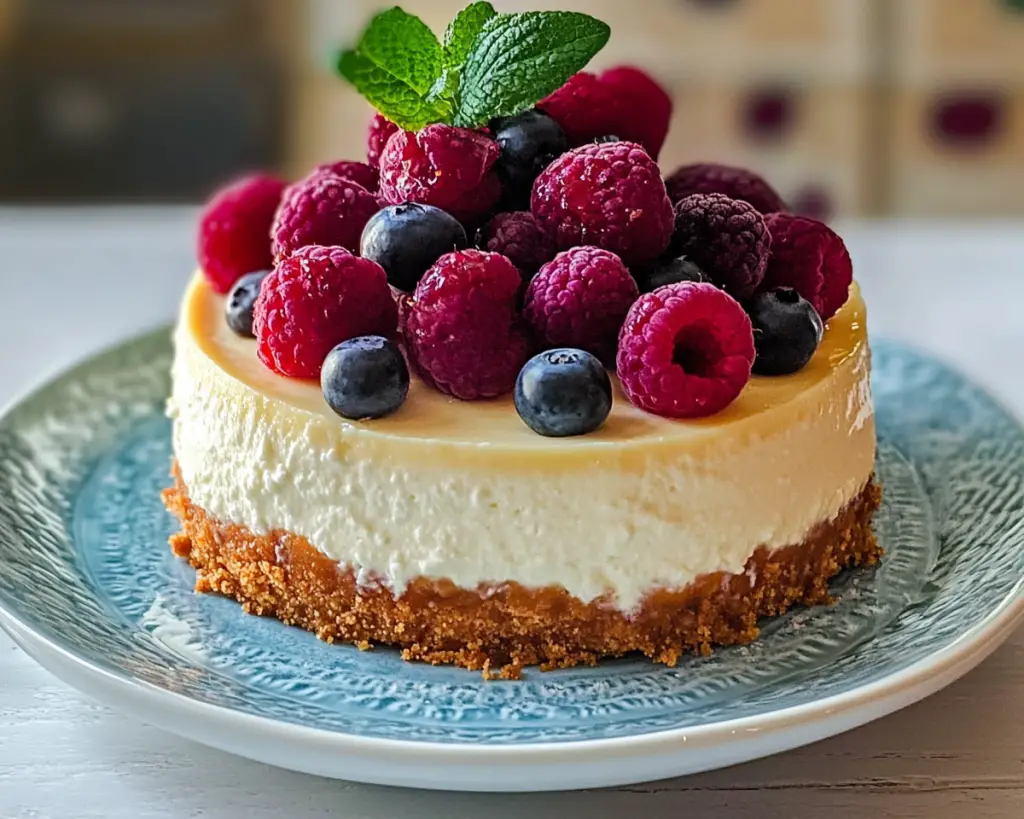
6. **Serve and Enjoy:** Once chilled, carefully remove the cheesecake from the springform pan. You can serve it plain, or top it with fresh fruits, a drizzle of honey, or a dollop of whipped cream. The aesthetic appeal of fresh berries can add a rich color and hint of tartness that beautifully complements the sweetness of the cheesecake. Enjoy each creamy slice, savoring the lightness of this delicious dessert.
Variations & Substitutions
Coconut Flavored Cheesecake: If you want to add a tropical twist to your cheesecake, consider incorporating coconut. Replace half of the cottage cheese with cream cheese and add shredded coconut to the filling. Not only does this change the flavor profile, but it also gives the cheesecake a unique texture. It’s perfect for those who enjoy a whimsical take on traditional flavors. Garnish with toasted coconut flakes for extra flair!
Chocolate Hazelnut Cheesecake: For all the chocolate lovers out there, adding cocoa powder or melted dark chocolate is a game changer. Simply blend in about 1/4 cup of cocoa powder with the filling, or fold in melted chocolate to deliver a rich, chocolatey indulgence. You could also add crushed hazelnuts to the crust for a delightful crunch that complements the chocolate flavor. This variation will satisfy the strongest chocolate cravings without the guilt.
Berry Swirl Cheesecake: To cater to your fruity tastes, consider making a berry swirl cheesecake. Prepare a berry compote by simmering fresh or frozen berries with a touch of honey and lemon juice until thickened. Swirl this mixture through the cheesecake filling just before baking for a striking visual and flavor impact. This version is especially refreshing and perfect for summertime.
Vegan Option: If you’re looking for a dairy-free and vegan-friendly cheesecake, you can adapt the recipe by using silken tofu in place of cottage cheese and yogurt. Blend the silken tofu with maple syrup, vanilla extract, and your choice of plant-based milk for the filling. The texture will still be creamy, and the taste will remain deliciously satisfying for everyone regardless of their dietary preferences.
These variations showcase the versatility of the Healthy Cottage Cheese & Yogurt Cheesecake recipe. Each alteration caters to different dietary needs and individual preferences while maintaining that delightful creaminess that makes this dessert stand out.
Common Mistakes to Avoid
One common mistake when making cheesecake is overbaking it. If you bake your cheesecake too long, the filling can crack and dry out. To avoid this, keep a close eye on the bake time. The center should remain slightly jiggly when you take it out; it will firm up as it cools. Leaving the cheesecake in the oven to cool will also help prevent cracks due to rapid temperature changes, which can stress the cake.
Another issue people encounter is not letting the cheesecake chill long enough. It’s tempting to dive into that gorgeous creation right after cooling, but insufficient chilling results in a cheesecake that is too soft and not set. Be patient; letting it chill overnight will give the best results in flavor and texture.
Lastly, ensure that your cream cheese and yogurt are at room temperature before mixing. Cold ingredients can lead to lumps in your filling, compromising the smooth texture that you desire. Warming them slightly ensures easy blending, resulting in a beautifully creamy cheesecake.
Storage, Freezing & Reheating Tips
To store your Healthy Cottage Cheese & Yogurt Cheesecake, wrap it tightly with plastic wrap or store it in an airtight container. Refrigerated, it will last for about 5–7 days. If you wish to enjoy it longer, freezing is an excellent option. Wrap individual slices in plastic wrap and then foil to prevent freezer burn. Properly stored, your cheesecake can last up to 3 months in the freezer.
When you’re ready to enjoy a slice from frozen, simply transfer it to the refrigerator for several hours to thaw. Avoid microwaving it as this can change the cheesecake’s texture. For best results, serve it chilled directly from the refrigerator, allowing its rich flavors to shine through.
Food safety is crucial when it comes to dairy products. Always check for any signs of spoilage before consuming. If you notice any odd smells or changes in texture, it’s best to discard it. Even your homemade cheesecake deserves to be treated with care and respect.
Frequently Asked Questions
Can I use low-fat or non-fat cottage cheese?
Absolutely! Using low-fat or non-fat cottage cheese can reduce the calorie content even further, making this cheesecake a guilt-free treat. The texture may slightly change, but it should still maintain that delightfully creamy consistency.
Can I make this cheesecake without eggs?
Yes, you can make an eggless version by replacing eggs with flaxseed meal or a commercial egg replacer. Typically, 1 tablespoon of flaxseed meal mixed with 2.5 tablespoons of water can replace one egg. Allow it to sit for a few minutes to thicken before adding it to your mixture.
How can I prevent the cheesecake from cracking?
To prevent cracks, ensure that you don’t overbake your cheesecake. Additionally, having a water bath while baking can help maintain a moist environment, which is beneficial in avoiding cracks. Also, allowing the cheesecake to cool gradually in the oven is helpful.
What toppings work well with this cheesecake?
This cheesecake pairs wonderfully with various toppings. Fresh fruits, like berries, sliced peaches, or a fruit compote, add a refreshing balance to the creamy texture. If you prefer something richer, a drizzle of chocolate or caramel sauce is also delightful.
Can I use a different sweetener besides honey or maple syrup?
Certainly! You can use alternatives like agave nectar, coconut sugar, or a low-calorie sweetener. Adjust the quantity according to your preference, keeping in mind that different sweeteners have different sweetness levels.
Conclusion:
The Healthy Cottage Cheese & Yogurt Cheesecake is not just a dessert; it’s a celebration of flavors, health, and indulgence all rolled into one. The delightful creamy texture, complemented by the nutrient-rich ingredients, makes this dessert a win-win for any gathering or cozy night in. With its versatility and ease of preparation, you are free to customize it to your liking or keep it simple to enjoy its inherent flavors.
Encourage yourself to dive into this recipe, experiment with the variations, and make it your own. Whether you’re treating yourself after a long day or impressing friends at a gathering, this cheesecake is bound to leave everyone satisfied. So roll up your sleeves and get ready to enjoy a slice of pure bliss that doesn’t compromise on health—happy baking!