### Prep Time
15 minutes
### Cook Time
20 minutes
### Total Time
35 minutes
### Servings
4 servings
—
Healthy eating doesn’t have to be boring or complicated. One of the best ways to enjoy clean food is through a Healthy Mediterranean Bowl. This dish is not only vibrant and full of flavor but also packed with nutrients that will keep you energized and satisfied throughout the day. Imagine sinking your fork into a bowl brimming with fresh vegetables, perfectly cooked grains, and a drizzle of zesty dressing — sounds delightful, right?
In this article, we’ll walk you through everything you need to know about making a delicious Healthy Mediterranean Bowl. You’ll discover why this dish is special, what ingredients you need, detailed step-by-step instructions, variations to suit different tastes, common mistakes to avoid, storage tips, and answers to frequently asked questions. By the end, you’ll be inspired to whip up your own creations and enjoy the wholesome goodness of the Mediterranean diet.
What Is a Healthy Mediterranean Bowl?
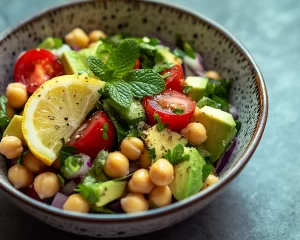
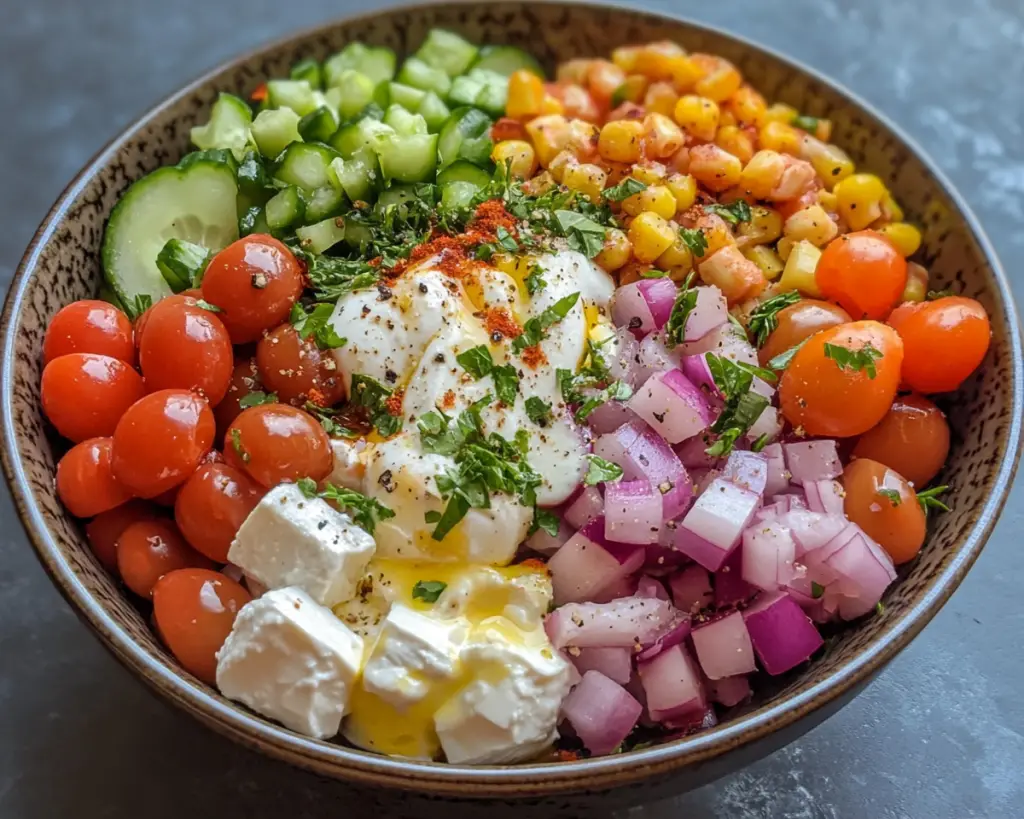
A Healthy Mediterranean Bowl is a wholesome dish inspired by the traditional and diverse flavors of the Mediterranean region. This bowl typically features a variety of fresh vegetables, whole grains such as quinoa or brown rice, proteins like chickpeas or grilled chicken, and a drizzle of olive oil and tangy lemon juice. The beauty of this bowl lies in its **flexibility**; you can mix and match ingredients to suit your personal preferences or dietary needs.
In addition to its delicious flavor profile, the Mediterranean Bowl is also celebrated for its health benefits. Rich in **antioxidants** from colorful vegetables, healthy fats from olive oil, and lean proteins, this dish provides essential nutrients that support heart health, weight management, and overall wellness. The textural contrast between crisp veggies and fluffy grains makes each bite enjoyable, while the bright flavors elevate your meal experience.
Using seasonal ingredients allows for a connection between the chef and the local environment, making each bowl unique and tasty. Whether you’re preparing meals for a busy week ahead or hosting a gathering with friends, a Mediterranean Bowl is a great choice that offers a healthy and satisfying meal.
Why You’ll Love This Healthy Mediterranean Bowl
There are several reasons why this Healthy Mediterranean Bowl will become a staple in your home. First and foremost, it’s incredibly **versatile**. You can customize the ingredients based on what’s in season or what you have on hand. For instance, if you’re not a fan of chickpeas, you can replace them with grilled chicken, tofu, or even roasted vegetables for added flavor and texture.
Another reason to love this bowl is its health **benefits**. Given its composition, you’ll find a balance of macronutrients and micronutrients, making it a well-rounded meal. According to the Mediterranean diet, which emphasizes whole grains, vegetables, fruits, legumes, and healthy fats, you’re more likely to consume higher amounts of fiber, vitamins, and minerals, all while supporting a healthy weight and reducing the risk of chronic diseases .
Preparing a Healthy Mediterranean Bowl is also **quick** and easy. With less than 30 minutes of prep and cook time, it’s perfect for busy parents or anyone looking to eat healthily without spending hours in the kitchen. Furthermore, it’s budget-friendly, as you can use inexpensive ingredients like beans and grains that are easy to find in grocery stores.
Lastly, this bowl is a feast for the senses, featuring a **colorful array** of ingredients that not only catch your eye but also provide various textures and flavors—crunchy, creamy, savory, and tangy all in one dish!
Ingredients You’ll Need
To create a delicious and healthy Mediterranean Bowl, gather the following ingredients:
– **Quinoa or Brown Rice**: Provides a nutritious base, high in fiber and protein. Substitute with farro or barley for different textures.
– **Cherry Tomatoes**: Adds a sweet and juicy burst. Feel free to replace with diced cucumbers or bell peppers if tomatoes are not your favorite.
– **Cucumber**: Offers a refreshing crunch. You can substitute this with radishes for a spicier kick.
– **Red Onion**: Adds depth and flavor; can be swapped with green onions for a milder taste.
– **Chickpeas**: A great source of plant-based protein and fiber. Lentils or black beans can also serve as healthy alternatives.
– **Feta Cheese**: Provides a creamy and tangy contrast; can be omitted for a dairy-free option or replaced with avocado for richness.
– **Olive Oil**: A healthy fat that enhances flavor. Substitute with avocado oil or lemon juice if desired.
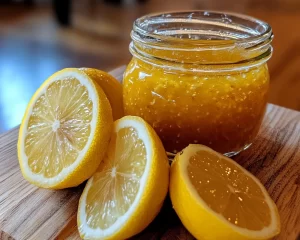
– **Lemon Juice**: Brightens the dish and adds acidity. Lime juice is a good substitute.
– **Fresh Herbs**: Such as parsley, basil, or mint, adding freshness and vibrant flavor.
– **Salt and Pepper**: Essential for seasoning; however, you can experiment with your favorite spices and herbs to optimize flavor.
With these ingredients, you can create a bowl that is not only healthy but bursting with flavors and textures that will delight your palate.
How to Make a Healthy Mediterranean Bowl
Follow these easy step-by-step instructions to create your Healthy Mediterranean Bowl:
1. **Cook the Grains**: Start by rinsing 1 cup of quinoa or brown rice under cold water. Add it to a pot with 2 cups of water or vegetable broth. Bring it to a boil, then reduce to a simmer, cover, and cook for about 15 minutes or until the liquid is absorbed and the grains are tender. Fluff with a fork once done and set aside.
2. **Prepare the Veggies**: While your grains are cooking, chop 1 cup of cherry tomatoes in half, dice 1 cucumber, and finely slice about half a red onion. If you prefer, you can also soak the onion in cold water for a few minutes to mellow its sharpness.
3. **Rinse the Chickpeas**: Open a can of chickpeas (about 15 ounces), drain and rinse them under running water to remove excess sodium. This step helps improve the texture and taste while making them easier to digest.
4. **Combine Ingredients**: In a large mixing bowl, combine your cooked quinoa or brown rice with the chopped veggies and the rinsed chickpeas. Gently toss to combine everything. The vibrant colors will entice your senses as you mix.
5. **Add Cheese and Herbs**: Crumble in about ½ cup of feta cheese (if you’re using it) and add a handful of freshly chopped herbs, like parsley or mint, to elevate the flavors. Toss again lightly to incorporate.
6. **Dress the Bowl**: In a small bowl, whisk together 3 tablespoons of olive oil with the juice of one lemon, and season it with salt and pepper. Drizzle the dressing over your Mediterranean Bowl and mix gently to coat all components with the delightful flavors.
7. **Taste and Adjust**: Before serving, give your bowl a taste. If necessary, adjust the seasoning, adding more salt, pepper, or lemon juice to suit your preference.
8. **Serve Immediately**: Transfer your Healthy Mediterranean Bowl into individual serving bowls or keep it in a single large bowl for family-style dining. You can also add additional toppings, such as avocado slices or roasted nuts, for an extra layer of flavor.
Enjoy your nutritious and filling Mediterranean Bowl, relishing the colorful ingredients and delightful mix of textures!
5 Variations & Substitutions
#### 1. **Vegan Variation**
For a completely plant-based version, skip the feta cheese and consider adding diced tofu marinated in soy sauce or teriyaki sauce. This provides extra protein and a touch of flavor. Alternatively, you can toss in roasted nuts or seeds such as sunflower or pumpkin for additional crunch.
#### 2. **Grilled Chicken Option**
If you’re looking to incorporate animal protein, grilled chicken breast is a fantastic addition. Simply season and grill your chicken until cooked through and slice it before adding it to the bowl. This variation not only adds flavor but also keeps your meal satisfying.
#### 3. **Mediterranean Style Sweet Potato Bowl**
Swap some of the grains with roasted sweet potatoes. Sweet potatoes add a natural sweetness and creaminess to the bowl, plus they are rich in vitamins A and C. Simply cube the sweet potatoes, toss them with olive oil, salt, and pepper, and roast them in the oven until tender.
#### 4. **With a Different Grain**
Experiment by using different grains, such as freekeh or millet. Each grain has its flavor profile and texture that can transform the dish entirely. For a gluten-free version, make sure to stick to quinoa or rice.
#### 5. **Spicy Kick**
Add a spicy twist to the Mediterranean Bowl by including sliced jalapeños or a drizzle of sriracha. You can also sprinkle in some crushed red pepper flakes for a gentle kick to keep things interesting.
Common Mistakes to Avoid
Making a Healthy Mediterranean Bowl is straightforward, but there are several **common mistakes** to avoid for the best result:
– **Overcooking the Grains**: Keeping an eye on cooking times is essential. If you overcook quinoa or rice, it will turn mushy. Make sure to follow the cooking directions carefully and check for doneness.
– **Choosing Poor Quality Ingredients**: The quality of the ingredients can significantly affect the flavor. Opt for **fresh, organic** vegetables and high-quality olive oil. This will elevate the entire dish.
– **Skipping Seasoning**: One of the biggest mistakes is not seasoning the vegetables and grains properly. Season every component as you cook or prepare it, ensuring each bite is flavorful. Experiment with herbs and spices to find your preferred flavor.
– **Not Allowing for Balance**: A well-rounded bowl should have a good balance of textures and flavors. Ensure you’ve incorporated something crunchy, creamy, tangy, and savory to create a satisfying experience.
– **Storing Improperly**: If you make the bowl ahead of time, be careful how you store it. The vegetables can become soggy if stored incorrectly. Consider storing components separately until you’re ready to eat.
Storage, Freezing & Reheating Tips
Proper storage can extend the shelf life of your Healthy Mediterranean Bowl while preserving flavor and texture. Here are some **tips**:
– **Refrigeration**: Store leftovers in an airtight container in the refrigerator. It is best consumed within 3-4 days. Keep the dressing separate until you’re ready to eat to maintain the freshness of the veggies.
– **Freezing**: While freezing is possible, the texture of some ingredients may change. If you plan to freeze your bowl, consider omitting delicate vegetables like cucumbers or fresh herbs. Instead, focus on grains, chickpeas, and proteins. Store these components in freezer-safe bags or containers for up to 2-3 months.
– **Reheating**: If you plan to eat leftovers, you can gently reheat the grains and chickpeas in the microwave or on the stovetop. Just remember not to heat fresh vegetables, as they taste best cold or at room temperature. Always check the temperature before consuming.
Utilizing these storage tips will help reduce food waste while ensuring you can enjoy the Mediterranean bowl multiple times!
Frequently Asked Questions
**1. Can I change the protein in this bowl?**
Absolutely! The protein selection is versatile. You can switch out chickpeas for grilled chicken, shrimp, or even a plant-based protein like tempeh. Think about what flavors you enjoy most and how they would complement the other ingredients.
**2. What can I substitute for quinoa?**
You can use a variety of alternatives depending on your preferences. Brown rice and farro are both excellent Whole Grains alternatives. If you’re looking for a gluten-free option, consider using couscous made from rice or cauliflower rice to keep it low-calorie.
**3. Is this bowl suitable for meal prep?**
Yes! The Healthy Mediterranean Bowl is perfect for meal prep. You can prepare your grains, chop vegetables, and even add the protein in advance. Keep the dressing separate until you’re ready to eat to prevent sogginess. When packed in individual containers, it makes for a convenient, nutritious lunch or dinner option.
**4. Can I use canned vegetables?**
While fresh vegetables are advised for optimal flavor and texture, canned vegetables can be used as a last resort. Rinse them well to reduce sodium. Keep in mind that canned vegetables may have a different texture and flavor, so it’s typically better to go fresh when possible.
**5. How can I make this bowl more filling?**
To boost the dish’s heartiness, consider adding healthy fats, such as avocado or nuts, like almonds or walnuts. You can also increase the amount of grains or add extra protein. The key is balancing the components to ensure your bowl fills you up without sacrificing flavor.
—
In conclusion, creating a Healthy Mediterranean Bowl opens up a world of possibilities that not only satisfies hunger but enriches your palate with various flavors and textures. With its vibrant colors and nutritious ingredients, it presents an excellent way to consume a complete meal tailored to your taste preferences. Don’t hesitate to swap ingredients and experiment until you find your favorite combination. I encourage you to try making this bowl at home, and let your creativity flow! Share your creation with family and friends, and inspire them to enjoy the flavorful journey of healthy eating.