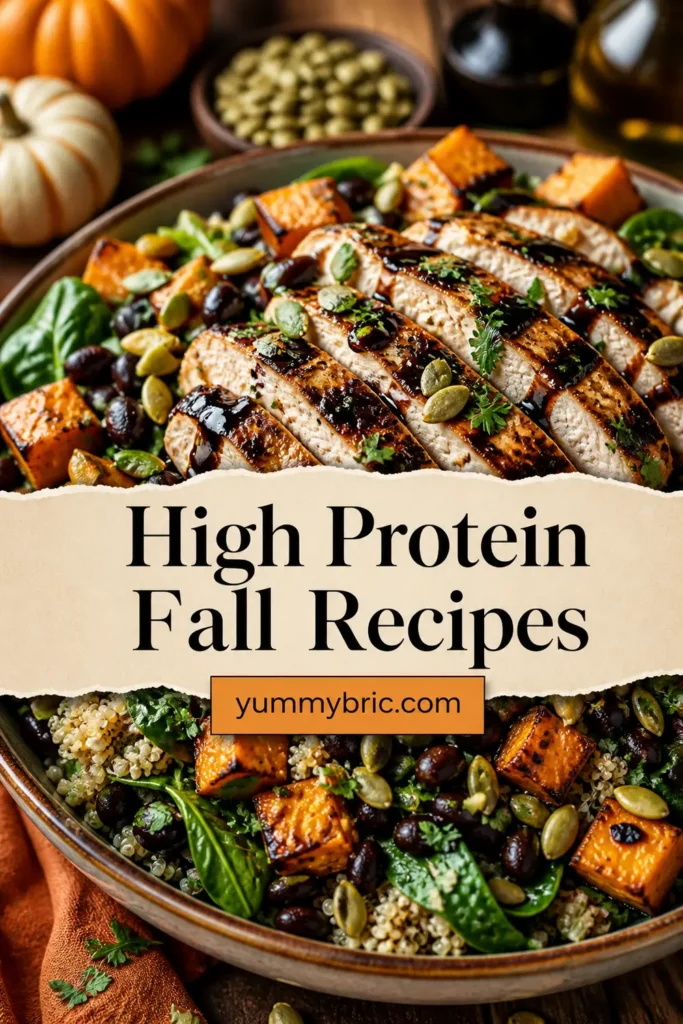
Prep time: 20 minutes
Cook time: 45 minutes
Total time: 1 hour 5 minutes
Servings: 6
High protein meals are an excellent way to fuel your body while enjoying the flavors of fall. As the leaves begin to turn and the air crispens, it’s the perfect time to indulge in hearty meals that not only nourish your body but also excite your taste buds. Autumn ingredients like squashes, root vegetables, and seasonal spices pair wonderfully with protein sources, making for satisfying and wholesome dishes. In this guide, we’ll explore a variety of high protein fall recipes that are perfect for busy families, meal prep enthusiasts, and anyone who enjoys delicious, healthy eating.
What Is High Protein Fall Recipes?
High protein fall recipes are dishes that highlight protein-rich ingredients while celebrating the seasonal flavors of autumn. These recipes often include sources of lean protein such as chicken, turkey, beans, lentils, and tofu. Additionally, they incorporate seasonal vegetables like pumpkin, sweet potatoes, and kale, which not only provide nutrients but also offer rich and comforting flavors. As you cook through these recipes, you’ll experience the warmth of spices like cinnamon, nutmeg, and sage, which are typical of fall.
Why You’ll Love This
You’ll love these high protein fall recipes because they bring together the best of both worlds: nutrition and taste. Many of these recipes are easy to prepare, making them ideal for busy parents who still want to provide healthy meals for their families. Moreover, they’re versatile, allowing for substitutions based on personal preferences or dietary restrictions. The abundance of flavors and textures in these recipes can make your dinner table a favorite gathering spot during the cozy fall months.
Ingredients You’ll Need
- Chicken breasts (1.5 pounds): A lean source of protein that remains juicy and flavorful when cooked correctly.
- Quinoa (1 cup): This grain is a complete protein and offers a nutty flavor that pairs well with autumnal seasonings.
- Sweet potatoes (2 medium): Rich in fiber and vitamins, these add a touch of sweetness and comfort.
- Kale (4 cups, chopped): A nutrient-dense leafy green that adds flavor and texture.
- Chickpeas (1 can, drained and rinsed): Provides plant-based protein and creaminess to dishes.
- Pumpkin puree (1 cup): Enhances flavor and adds moisture to recipes while packing a nutritional punch.
- Onion (1, diced): Adds sweetness and depth to the overall flavor profile of your dishes.
- Garlic (3 cloves, minced): Essential for a robust taste that enriches every bite.
- Vegetable broth (4 cups): Gives a richness to various dishes and enhances the overall taste.
- Olive oil (2 tablespoons): A healthy fat that adds flavor and helps in cooking proteins perfectly.
- Salt and pepper: Simple yet essential seasonings that enhance the flavors of your ingredients.
- Cinnamon (1 teaspoon): One of fall’s signature spices, adding warmth and sweetness.
- Nuts (1/2 cup, chopped walnuts or pecans): For crunch and additional protein, enhancing both the texture and flavor.
How to Make
- Begin by preheating your oven to 400°F (200°C). This step ensures that your dish will bake evenly and achieve a lovely golden brown finish.
- While the oven heats, prepare the sweet potatoes. Peel and dice them into bite-sized pieces. Toss them with a tablespoon of olive oil, salt, and pepper before placing them on a baking sheet. Roast in the oven for about 25 minutes, or until fork-tender.
- In a medium saucepan, bring two cups of vegetable broth to a boil. Add the quinoa and a pinch of salt, then reduce the heat to low. Cover and simmer for about 15 minutes, or until all the liquid is absorbed. Fluff with a fork and set aside.
- Meanwhile, in a large skillet, heat the remaining tablespoon of olive oil over medium heat. Sauté the diced onion for about 3-4 minutes until translucent. Add the garlic and cook for an additional minute, watching closely so it doesn’t burn.
- Stir in the kale, cooked quinoa, chickpeas, and pumpkin puree. Combine everything well and season with cinnamon, salt, and pepper. Let this mixture cook for about 5 minutes, allowing the flavors to meld and the kale to slightly wilt.
- When the sweet potatoes are done roasting, gently fold them into the quinoa and kale mixture. Stir well to combine everything. If desired, top with chopped nuts for added protein and crunch.
Variations & Substitutions
Spicy Chickpea Variation: Feel free to brighten your dish with a pinch of cayenne or red pepper flakes. This will give your meal a delightful kick that elevates the other flavors. If you prefer a different protein source, consider swapping chickpeas for black beans or lentils, both of which provide a wonderful texture and enhance the protein content.
Vegan Option: For a fully plant-based version, simply omit the chicken and use more vegetables or beans. Tofu can also be added for an extra protein punch. When choosing multiple vegetables, ensure they are balanced, like roasted Brussels sprouts or bell peppers, which will add variety to your meal.
Sweet and Savory Twist: Adding dried cranberries or chopped apples to the mix will provide a sweet contrast that nicely complements the savory components of the dish. This can enhance the fall theme and create a well-rounded flavor profile.
Common Mistakes to Avoid
One common issue when cooking high protein meals is overcooking the protein, particularly chicken, which can lead to dryness. Be sure to check the chicken’s internal temperature, aiming for 165°F (74°C), and consider using a meat thermometer for accuracy. Additionally, when cooking quinoa, a frequent pitfall is not rinsing the grains beforehand, which can result in a bitter taste. Remember to rinse quinoa under cold water to remove its natural coating.
Another mistake is overcrowding the baking sheet when roasting vegetables, which can lead to steaming instead of roasting. Give your vegetables enough space to caramelize, ensuring a better texture and richer flavor. Lastly, be wary of overly simplistic seasoning; using a variety of spices can create a depth of flavor that is satisfying and mouth-watering. Don’t be afraid to experiment with seasonings and adjust to your preferences!
Storage, Freezing & Reheating Tips
Proper storage is essential for extending the lifespan of your high protein fall recipes. Store leftovers in airtight containers in the refrigerator for up to 4 days. If you wish to freeze your dish, portion it out into individual servings to make reheating easier. It can be frozen for up to 3 months. When reheating, allow the food to thaw in the refrigerator overnight before warming it up in the microwave or on the stovetop. Always ensure that leftovers are heated to an internal temperature of at least 165°F (74°C) to ensure food safety.
Frequently Asked Questions
Can these recipes be made ahead of time? Yes! Most of these high protein fall recipes are perfect for meal prep. You can prepare them a day or two in advance, making them ideal for busy weeks. Just store them in the fridge or freezer until you’re ready to enjoy. Reheating is quick, making them a convenient option for lunches or dinners after a long day.
What can I substitute for quinoa? If quinoa is not your favorite, you can easily swap it for brown rice, farro, or even couscous. Each of these alternatives will give you a slightly different flavor and texture but will still provide a nutritional boost. Adjust the cooking times according to the grain you choose.
Are high protein diets suitable for everyone? While high protein diets can benefit many, it’s essential to consider individual nutritional needs. Different dietary preferences and restrictions may affect how much protein is necessary. Stocking up on a variety of protein sources is key, and consulting a healthcare professional or nutritionist can provide tailored advice.
How can I add more protein to these recipes? There are numerous ways to enhance the protein content of these dishes. Including more legumes, Greek yogurt as a topping, or even adding an egg can increase the protein levels significantly. Introducing nuts and seeds also helps in boosting the protein while adding texture and flavor.
What are the health benefits of high protein meals? High protein meals can help with muscle building, provide sustained energy, and keep you feeling full longer, which can aid in weight management. Protein is also crucial for repairing tissues and supporting immune function, making it a vital part of a balanced diet.
Conclusion:
As you embrace fall, let these high protein recipes be a part of your culinary journey. You’ll not only savor the seasonal flavors but also nourish your body and enjoy the benefits of a high protein diet. Each recipe provides flexibility and opportunities to adjust according to your family’s tastes, making meal planning both enjoyable and gratifying. Turn to these recipes for quick weeknight dinners or hearty gatherings, and savor the delight they bring to your autumn table.