Prep time: 10 minutes
Cook time: 0 minutes
Total time: 10 minutes
Servings: 1 cup
Creating homemade mayonnaise is an experience that transforms a simple condiment into something truly exceptional. Have you ever opened a jar of store-bought mayonnaise, only to be met with an uninviting list of preservatives? This homemade version is fresh, creamy, and undoubtedly more delicious. The taste of homemade mayonnaise is bright and tangy, with a rich, velvety texture that store-bought varieties simply can’t compete with. Plus, it’s surprisingly easy to make, meaning you can whip up a batch in just ten minutes.
In this article, you will discover not only how to make homemade mayonnaise but also why it’s a worthy addition to your kitchen repertoire. I will walk you through the ingredients and methods you’ll need to know, providing helpful tips and variations to suit any palate. Whether you’re just starting your culinary journey or you’re an experienced cook looking to elevate your culinary skills, homemade mayonnaise is the perfect choice.
What Is Homemade Mayonnaise?
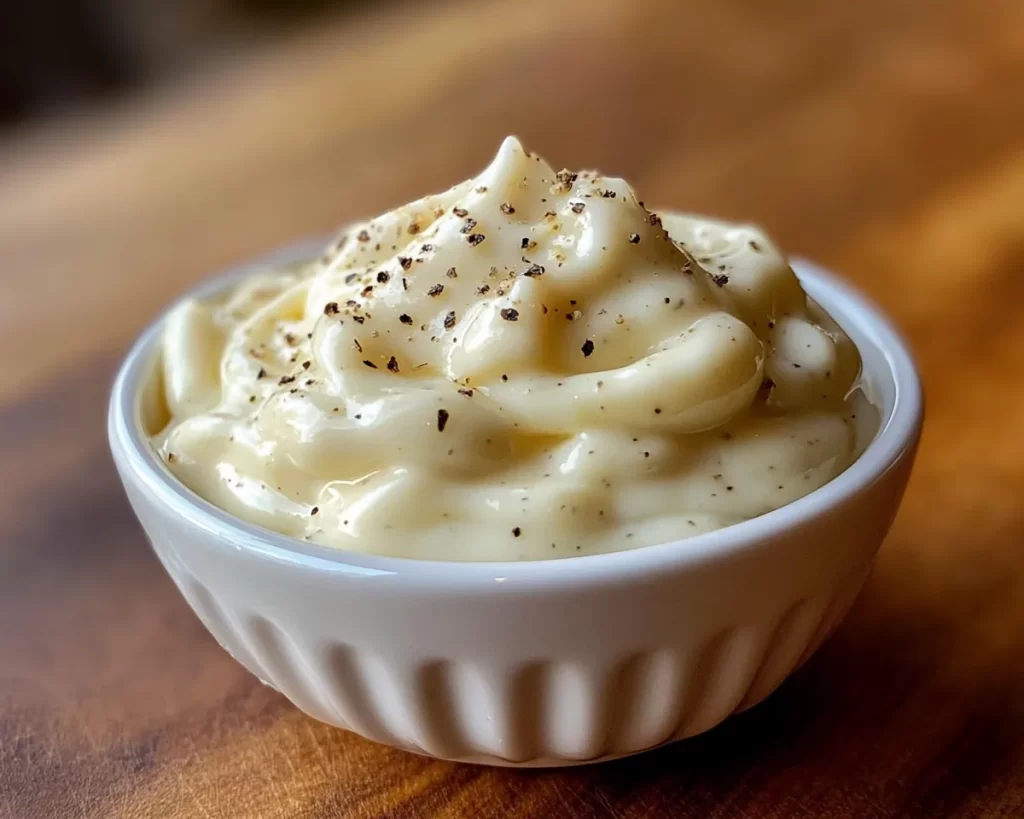
Homemade mayonnaise is an emulsion of egg yolks, oil, and acid, typically vinegar or lemon juice. The magic lies in the emulsification process, where the egg yolks help blend the oil and acid together into a creamy, stable mixture. The result is a condiment that has a silky texture and rich flavor. Unlike commercial mayonnaise, which can often contain a long list of preservatives and additives, homemade mayonnaise is pure and simple.
The origins of mayonnaise trace back to the 18th century, with varying stories attributing its invention to the French or Spanish. However, the name comes from “Mahón,” a city in Menorca, Spain. The flavor profile of homemade mayonnaise can be tailored to your liking; you can adjust the acidity level, add spices or herbs, and even incorporate different types of oils to customize the taste. I always find it satisfying to know exactly what’s in my food, and homemade mayonnaise allows for that transparency.
The typical texture is thick and creamy, making it an ideal base for many dishes, whether you’re slathering it on a sandwich, using it to make a salad dressing, or even dipping vegetables into it. It’s incredibly versatile, allowing you to get creative with flavors and infusions. Homemade mayonnaise not only serves as a delicious addition but also elevates your meals with a personal touch.
Why You’ll Love This
There are several benefits to making your mayonnaise at home, the first being its unmistakable taste. The freshness of homemade mayonnaise is hard to beat; you can really taste the difference. Moreover, making mayonnaise at home tends to be more economical than buying high-quality store-bought versions. You can create a cup of rich, creamy mayonnaise for a fraction of the price.
When it comes to health, homemade mayonnaise is often a better choice. You can customize the recipe using organic eggs and high-quality oils such as avocado or olive oil. This allows for a nutrient-rich condiment that fits into various dietary lifestyles.
Many people worry about the difficulty of making mayonnaise at home. However, I’m here to debunk that myth! While store-bought options may seem more convenient, making mayonnaise is not overly complicated. The most common mistake is going too fast; patience is key for this emulsion to come together beautifully.
Let’s also touch on versatility. Not only does homemade mayonnaise serve as a great dip or spread, but you can also use it as the perfect base for dressings, aioli, or sauces. Customize it with spices, herbs, and flavors that you love. That’s what really makes this recipe special—you control every aspect of the flavor, making it a pantry staple you can rely on time and again.
Ingredients You’ll Need
To create your homemade mayonnaise, gather the following ingredients:
- 1 large egg yolk: This is the foundation of your mayonnaise, providing richness and acting as the emulsifier.
- 1 tablespoon Dijon mustard: Adds depth and a slight tang. Feel free to use yellow mustard if that’s what you have on hand.
- 1 tablespoon white wine vinegar or lemon juice: The acid brightens the flavor and helps with emulsification.
- 1 cup neutral oil (like canola or grapeseed): This makes the mayonnaise creamy. Olive oil can also be used for a richer flavor.
- Salt: For enhancing flavor. Adjust according to your taste.
Each of these ingredients plays a crucial role in the final product. The egg yolk is essential for the emulsion process, while the mustard and acid add flavor and contribute to a stable structure. The type of oil you choose can significantly impact the flavor of your mayonnaise, so choose one that you enjoy since it’s a prominent component.
How to Make
Now that you have your ingredients ready, let’s dive into the step-by-step process of making homemade mayonnaise:
- Prepare Your Ingredients: Before you start, gather all your ingredients and tools. You’ll need a whisk, a mixing bowl, or a food processor for easier blending. Having everything ready will streamline the process and make it feel less daunting.
- Combine Egg Yolk and Mustard: In your mixing bowl, add the egg yolk and Dijon mustard. Whisk them together until well combined. This mixture serves as your base and helps in the emulsification process, so ensure it’s smooth and homogeneous. The color will lighten slightly as you whisk.
- Add Vinegar or Lemon Juice: Next, add the vinegar or lemon juice to the egg mixture and whisk again. This step not only adds flavor but also helps stabilize the emulsion. The combination of acid and egg yolk will make the mayonnaise creamy and rich.
- Begin Adding Oil Slowly: While whisking continuously, start to drizzle in the oil very slowly. This is crucial for achieving a stable emulsion. If you add the oil too quickly, your mayonnaise may separate. Patience is key; continue to mix as you gradually incorporate the oil.
- Whisk until Thick: Continue adding the oil until you obtain the desired thickness. For a thicker mayo, use less oil. You’ll notice the mixture transforming into a creamy texture. This should take about 5 minutes of continuous whisking.
- Season to Taste: Once your mayonnaise has reached the desired consistency, season it with salt to taste. If using lemon juice, you can also add more for extra zing. If you have any herbs or spices you’d like to incorporate, this is a great time!
- Store Your Mayonnaise: Transfer your homemade mayonnaise to a clean jar with a tight-fitting lid. It’s best enjoyed fresh, but you can refrigerate it for up to one week. When storing, make sure to label it with the date for reference.
With this simple process, making homemade mayonnaise becomes as effortless as mixing a few ingredients. You’ll not only save money but also impress your family and friends with your culinary skills.
Variations & Substitutions
Making homemade mayonnaise allows you to explore a myriad of flavors. Here are some exciting variations you might consider:
Herbed Mayonnaise: For a fresh, vibrant twist, you can add fresh herbs like dill, chives, or parsley to the base recipe. Simply chop the herbs finely and whisk them in after you have finished emulsifying your mayonnaise. This variation is perfect for chicken salads or as a dip for veggies, lending a delightful flavor that enhances your dishes.
Garlic Aioli: If you love garlic, then this variation is for you. You can turn your homemade mayonnaise into a delectable garlic aioli. Incorporate 1 to 2 minced garlic cloves after the mayonnaise has been made. This variation is fantastic for spreadable applications and makes an excellent accompaniment to grilled meats or seafood.
Spicy Mayonnaise: For a kick of heat, consider adding sriracha or another hot sauce to your mayonnaise. Start with one teaspoon and whisk it in until combined. This is a superb option for those who enjoy adding a bit of spice to their sandwiches or wraps. Adjust the amount according to your heat tolerance.
Avocado Mayonnaise: For a healthier, creamier alternative, use avocado oil instead of neutral oil. This is a great choice for those looking to incorporate healthy fats into their diet. The flavor of avocado oil complements the mayonnaise well and provides beneficial nutrients. Additionally, consider adding ripe avocado for an even creamier texture!
Each of these variations allows you to infuse your personality into your mayonnaise, ensuring that every batch feels uniquely yours. Don’t be afraid to experiment and find the combination that best suits your taste preferences.
Common Mistakes to Avoid
When making mayonnaise, there are a few common pitfalls that you’ll want to avoid to ensure your success:
One of the most prevalent issues is emulsification failure, where the oil and egg don’t combine properly, resulting in a separated mixture. If this happens, don’t panic! You can fix this by starting anew with another egg yolk, gradually whisking in the broken mayonnaise.
Another mistake is to rush the oil incorporation. Adding your oil too quickly can lead to separation. Remember, patience is critical. Start with a single drop of oil before slowly increasing the flow once the emulsion begins to form.
Also, always use room temperature ingredients. Cold ingredients can inhibit the emulsification process, making it challenging for the mayonnaise to come together. If your eggs are cold, let them sit out for about 30 minutes before beginning to make your mayonnaise.
Finally, be cautious about seasoning. It’s essential to taste as you go, but remember that you can always add more salt, so start with a little and adjust after the mayonnaise has been made.
By avoiding these common mistakes, you’ll create a beautiful, creamy homemade mayonnaise that elevates your culinary creations.
Storage, Freezing & Reheating Tips
Homemade mayonnaise is best enjoyed fresh, but it can be stored in the refrigerator for up to one week. Ensure you transfer it to a clean, airtight container to keep it fresh and safe to eat. Always label the jar with the date it was made so you can easily keep track of its freshness.
If you have leftover mayonnaise and you’re unlikely to finish it within a week, consider not freezing it. The emulsion process alters the texture when frozen, making it grainy when thawed. It’s generally advised that storing is the best way to go for mayonnaise.
As for reheating, mayonnaise doesn’t need to be heated, but if you do use it in recipes that require heat, such as for making a dip, it’s best added at the end of cooking to maintain its integrity. Excessive heat will break down the emulsification and change the texture.
For food safety, always make sure that any ingredients you use in your mayonnaise are fresh, and avoid using any expired products. This ensures that your homemade mayonnaise remains delicious and safe to eat.
Frequently Asked Questions
Can I use pasteurized eggs for making mayonnaise?
Absolutely! Using pasteurized eggs is a great option if you’re concerned about the risk of salmonella. Pasteurized eggs are safe to eat raw, allowing you to enjoy your homemade mayonnaise without worry.
What type of oil is best for homemade mayonnaise?
It depends on your flavor preference. While neutral oils like canola or grapeseed are great for traditional mayonnaise, oils like olive oil or avocado oil can give it a unique flavor. Experiment with different oils to find the perfect one for you.
How can I adjust the thickness of my mayonnaise?
The thickness of your mayonnaise primarily depends on how much oil you incorporate into it. If it’s too thick, you can thin it out by whisking in a little warm water or lemon juice. Conversely, you can add more oil if it’s too thin.
Is it necessary to use mustard in homemade mayonnaise?
While mustard adds flavor and helps stabilize the emulsion, it’s not strictly necessary. If you prefer a mayonnaise without mustard, you can simply omit it and still achieve good results.
What can I do with leftover mayonnaise?
Leftover mayonnaise can be used in many dishes! It makes an excellent dressing for potato salad, pasta salad, or coleslaw. You can also use it as a base for dips or spreads. The possibilities are almost endless!
Conclusion:
Homemade mayonnaise stands out for its freshness, rich flavor, and versatility. With simple ingredients, you can create something delicious that elevates your meals to a new level. Whether you stick with the classic recipe or try one of the tempting variations, you’ll find that making mayonnaise is a fulfilling endeavor. So roll up your sleeves, give it a try, and don’t hesitate to experiment with flavors. Share your experiences and enjoy the benefits of your homemade delight! Your taste buds will thank you.