Prep time: 5 minutes
Cook time: 1 minute
Total time: 6 minutes
Servings: 1 cup
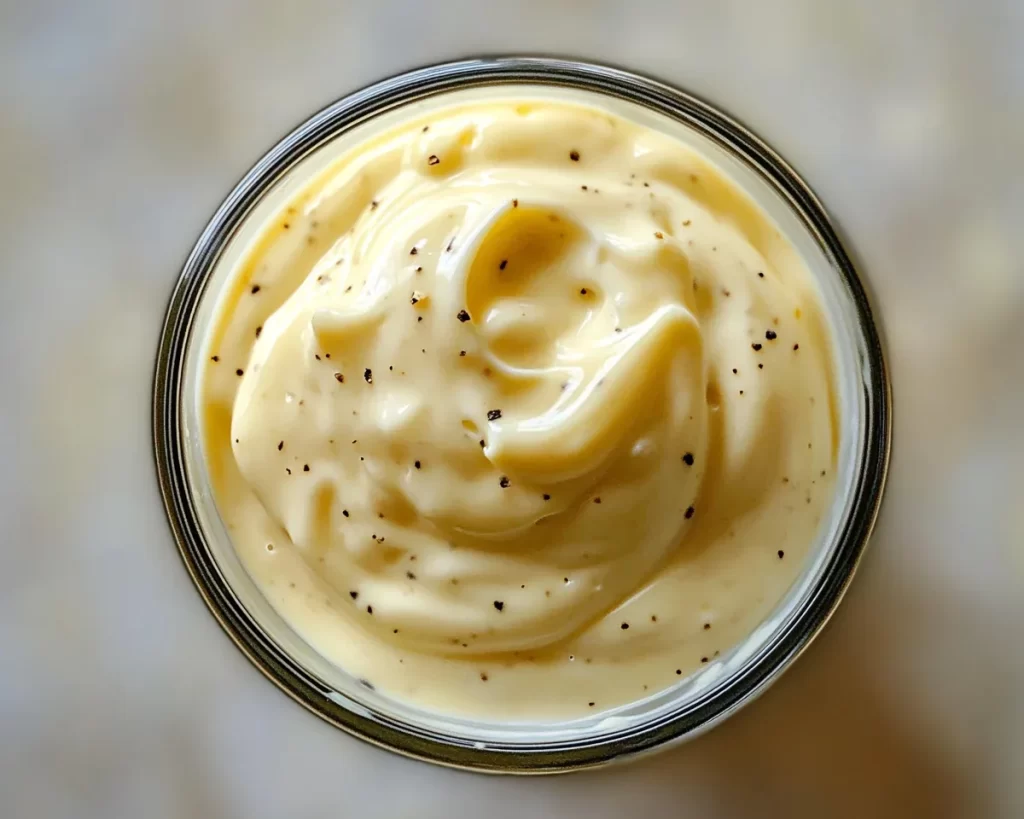
Imagine spreading a creamy, rich, and incredibly fresh mayonnaise onto your favorite sandwich or incorporating it into a tangy salad dressing. Now picture being in complete control of that flavor and texture, knowing exactly what’s inside your homemade concoction. This is the magic of making Homemade Mayonnaise, or as I like to call it, Blender Mayo in 60 Seconds. Not only is this easy recipe a breeze to make, but it also elevates your dishes with a flavor that store-bought products simply can’t match.
What makes homemade mayonnaise special is not just the flavor but also the ability to customize it to your liking. Whether you prefer a zesty lemon twist or the warmth of garlic, making mayonnaise at home allows you to experiment endlessly. After you’ve mastered this quick recipe, you’ll feel confident in the kitchen, impressing your family and friends with your culinary skills.
In this article, you will learn all about the perfect mayonnaise recipe, including the secrets to achieving a silky, smooth texture, how to personalize your mayo with various flavors, and even tips for storing and using it. This guide is designed for everyone—from busy parents needing a quick fix to culinary novices just stepping into the kitchen.
What Is Homemade Mayonnaise (Blender Mayo in 60 Seconds)?
Mayonnaise, a staple in many kitchens around the world, has its roots steeped in history. Its exact origins are debated, but it is widely believed to have been created in the 18th century in France. The traditional process involves emulsifying oil with egg yolks, vinegar, and seasonings to create a luscious, creamy condiment that’s perfect for sandwiches, salads, and dips.
The texture of homemade mayonnaise is velvety and smooth, allowing it to spread easily while still maintaining its shape. The flavor, unlike many mass-produced versions, is fresh and vibrant, offering a perfect balance of richness and acidity. When you make it at home, you have the freedom to control each component, ensuring a mayonnaise that tastes just like you want it to. The moment you taste your own Blender Mayo, you’ll never want to go back to store-bought options again.
This recipe makes use of a few basic ingredients and the amazing power of blending. In just under a minute, you can have a cup of perfectly emulsified mayonnaise, ready to use in countless dishes. Its versatility makes it an essential recipe for any home cook, whether you’re whipping up a simple dipping sauce or adding it to a complex egg salad.
Why You’ll Love This
There are countless reasons to adore this Homemade Mayonnaise recipe. First and foremost is the incredible taste. Fresh mayo boasts a creamy texture that is hard to replicate with commercial brands. You can feel good knowing that it’s free from preservatives and artificial flavors, using only natural ingredients that you can pronounce.
Moreover, this method is extraordinarily easy and quick. In just 60 seconds, using a blender or immersion blender, you’ll produce a delectable mayonnaise that’s perfect for sandwiches or as a base for dressings. You’ll love how this recipe is customizable, allowing you to adjust the flavor profile to suit your personal preference or the dish you’re preparing.
Cost-effectiveness is another compelling reason to make mayonnaise at home. Retail prices for quality mayo can add up, especially for gourmet options. Making your own is significantly cheaper and allows you to produce it in bulk, saving you both time and money in the long run.
Some people may think that homemade mayonnaise is challenging to create or requires specialty equipment, but with this simple recipe, anyone—yes, even beginners—can master it. Instead of being limited by store bought options, this recipe opens a world of possibilities for flavor variations, from spicy sriracha mayo to herb-infused gourmet spreads.
Ingredients You’ll Need
- 1 large egg: This is the base of your mayonnaise, acting as an emulsifier. It binds together the oil and other ingredients. For a vegan option, consider using aquafaba (the liquid from canned chickpeas).
- 1 tablespoon Dijon mustard: This adds a subtle zing and depth to the flavor. You can substitute with yellow mustard if you prefer a milder flavor.
- 1 tablespoon white wine vinegar or lemon juice: This provides acidity, balancing out the richness of the oil. Feel free to experiment with other vinegar types, such as apple cider vinegar for a different flavor profile.
- 1 cup neutral oil: Use a flavorless oil like canola or grapeseed oil. Olive oil can be used for a stronger flavor, but it may affect the mayo’s texture.
- Salt to taste: A key ingredient that enhances the flavors. Experiment gradually until it matches your taste preference.
Each ingredient plays a pivotal role in achieving the right balance of flavor and texture in your mayonnaise. Don’t be afraid to experiment with different combinations or to ramp up the flavors as your preferences dictate.
How to Make
Creating your own Homemade Mayonnaise is as easy as 1-2-3! Here’s how you can do it in just a few simple steps:
- Start by gathering all your ingredients, including the egg, Dijon mustard, vinegar or lemon juice, neutral oil, and salt. It’s best if they are at room temperature, as this helps with emulsification.
- In a blender or a tall container if you are using an immersion blender, add the egg, mustard, and vinegar or lemon juice. Blend these ingredients on medium speed for about 30 seconds until they are well combined.
- While the blender is still running, slowly drizzle in the oil. Start with a very thin stream, allowing the mixture to emulsify properly. You will notice it beginning to thicken. Once all the oil has been added, blend for an additional 30 seconds until the mayonnaise reaches a smooth, creamy consistency.
- Finally, season the mayonnaise with salt to taste. Blend again briefly to incorporate the seasoning. Your Blender Mayo is now ready to use!
Tip: If the mayo doesn’t thicken, you may have added the oil too quickly. If this happens, start with a new egg and slowly incorporate the broken mayonnaise into it while blending.
Variations & Substitutions
Garlic Aioli: Do you love garlic? Then this variation is for you! Simply add minced garlic when you blend the egg, mustard, and vinegar. The garlic not only adds flavor but also transforms your mayonnaise into a delightful aioli perfect for dips, spreads, or sandwiches. If you prefer a milder flavor, consider roasting the garlic beforehand.
Spicy Sriracha Mayo: For those who enjoy a kick, try adding Sriracha sauce during the blending process. About one tablespoon should give it a nice heat without overwhelming the mayonnaise’s texture. This spicy mayo is fantastic on burgers, as a dip for fries, or in spicy tuna rolls.
Herbed Mayonnaise: Incorporating fresh herbs can create a delicious herbed mayonnaise that pairs beautifully with fish dishes or as a salad dressing. Chop up parsley, dill, or chives finely, and mix them in at the end of the blending process or blend them directly if you want them finely incorporated.
Vegan Mayo: For a plant-based alternative, consider using aquafaba (the liquid from canned chickpeas). This version can be made by replacing the egg with aquafaba and following the same blending instructions. The result is a light and fluffy mayonnaise that is just as versatile as traditional mayo.
Smoky Chipotle Mayo: Add dried chipotle powder or pureed chipotle peppers in adobo sauce into the vinegar or lemon juice while blending. This gives your mayonnaise a rich, smoky flavor, excellent for making sandwiches that need a little extra warmth or paired with grilled meats.
With these variations, you can give a unique twist to your homemade mayonnaise, ensuring every meal can have a personalized touch. Feel free to get creative—you’ll be surprised at what flavors work wonderfully in this recipe!
Common Mistakes to Avoid
While making mayonnaise seems simple, there are common pitfalls that can lead to a failed emulsification. One of the most critical mistakes to watch for is adding the oil too quickly. It’s essential to start with a thin drizzle at the beginning. If you pour it too quickly, the emulsification will break, leading to a runny final product instead of a thick and creamy mayonnaise.
Another common error is not using room temperature ingredients. Cold ingredients can hinder the emulsification process, making it difficult for the mixture to blend properly. Always ensure that your egg, oil, and any additional ingredients are at room temperature for the best results.
Lastly, if your mayonnaise does not thicken or separates, don’t panic. You can salvage a broken mayonnaise by starting with another egg in a clean bowl, slowly adding the broken mayo to the new egg while whisking continuously. This shouldn’t discourage you; every chef experiences mishaps in the kitchen!
Storage, Freezing & Reheating Tips
When it comes to storing your homemade mayonnaise, it’s best kept in an airtight container in the refrigerator. This allows it to stay fresh for up to one week. Always use clean utensils when scooping out the mayonnaise to avoid contamination.
As for freezing mayonnaise, it’s not generally recommended as the texture can change upon thawing, resulting in a less appealing consistency. However, if you do find yourself with a surplus, you can freeze it in small portions for cooking applications where texture isn’t as crucial, like in sauces. When you’re ready to use it, thaw in the fridge overnight and remix it before using.
Always remember to use good food safety practices. Since mayonnaise contains raw eggs, be cautious and avoid keeping it unrefrigerated for extended periods.
Frequently Asked Questions
Can I use a different type of oil for mayonnaise?
Yes! While neutral oils such as canola or grapeseed are commonly used, you can also use olive oil for a richer flavor. However, keep in mind that olive oil may affect the texture and flavor of the final product.
What should I do if my mayonnaise separates?
If your mayo separates, don’t worry! You can salvage it by starting with a new egg and blending it in a clean bowl, then slowly incorporating the broken mayonnaise into the new egg while blending continuously.
Is homemade mayonnaise safe to eat?
Homemade mayonnaise is generally safe to eat if made with fresh egg and properly stored in the refrigerator. However, if you’re concerned about eating raw eggs, you can use pasteurized eggs to minimize this risk.
Can I flavor mayonnaise with other ingredients?
Absolutely! You can add a variety of ingredients to mayonnaise, such as garlic, herbs, spices, or even hot pepper sauces to create unique flavors that complement your dishes perfectly.
How long can I keep homemade mayonnaise in the fridge?
Homemade mayonnaise can last up to one week when stored in an airtight container in the refrigerator. Always check for any signs of spoilage before using.
Conclusion:
This Homemade Mayonnaise recipe stands out for its incredible taste, simple preparation, and endless customization options. You now have the knowledge to whip up this silky, creamy condiment in just a few minutes. Don’t hesitate to experiment and create variations that suit your taste! This recipe is not just about making mayonnaise; it’s about empowering you to take control of your kitchen. Try it today; your sandwiches and dressings will never be the same again! Share your homemade mayo success with friends and family, and let them in on the magic of this simple yet powerful recipe.