Prep time: 5 minutes
Cook time: 2 minutes
Total time: 7 minutes
Servings: 1 cup
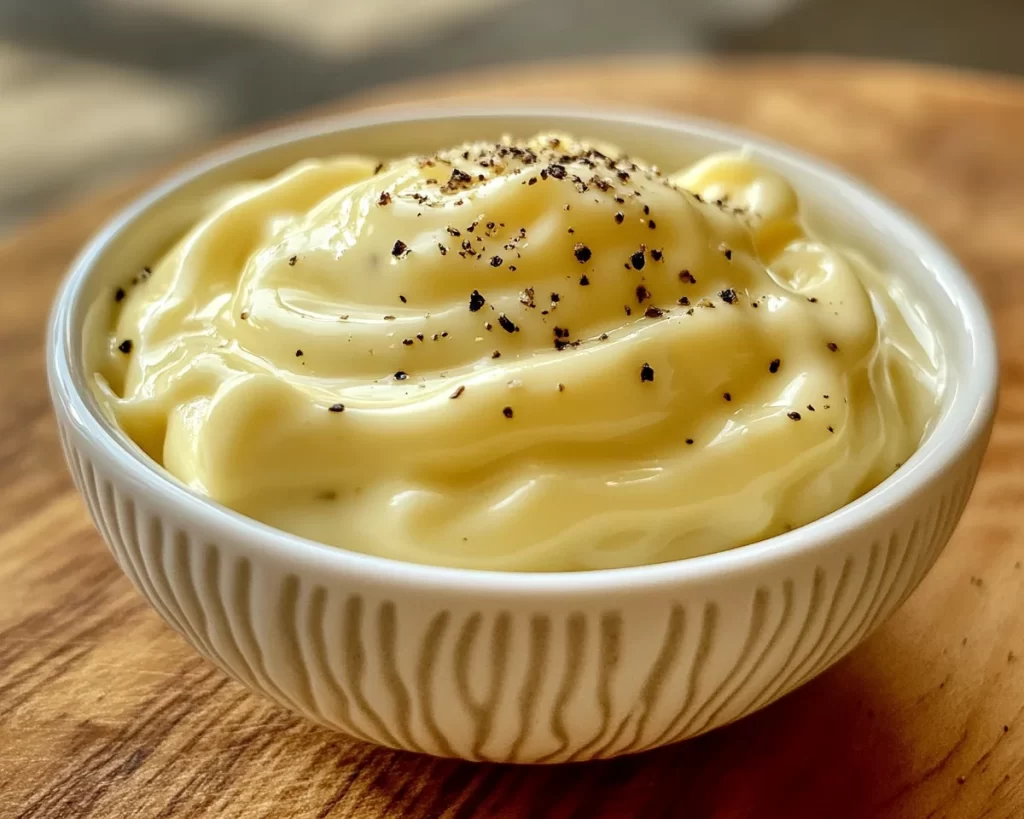
Homemade mayonnaise is a creamy delight that can elevate your culinary experience to new heights. Imagine a rich, silky texture and a refreshing flavor, all created in just a couple of minutes in your blender. This recipe not only teaches you how to make mayonnaise but gives you the confidence to customize it to your taste. Many are often daunted by the thought of creating mayonnaise from scratch, convinced it requires elaborate equipment or advanced cooking skills. But in reality, all you need is a blender and a few simple ingredients that you probably already have at home. Get ready to dive into an easy journey that will add a touch of finesse to your sandwiches, salads, and dips.
In this article, you’ll discover the essential components of homemade mayonnaise, why making it yourself is a game changer, and how to nail the perfect consistency every time. You’ll also learn about variations, storage tips, and common mistakes to avoid. So roll up your sleeves and prepare to impress your family and friends with this **easy 2-minute blender recipe**!
What Is Homemade Mayonnaise (Easy 2-Minute Blender Recipe)?
Homemade mayonnaise is an emulsified condiment made primarily from eggs and oil. It’s believed to have originated in France, where it was crafted to complement various dishes, from seafood to salads. The texture of mayonnaise is unique—it’s thick, smooth, and luscious, making it a perfect base for sandwiches, salad dressings, or even as a dip.
When you make mayonnaise at home, you control the ingredients, which can markedly influence flavor and health. Store-bought mayonnaise often contains preservatives and additives—elements you can easily avoid. A homemade version is not only fresher but also customizable; you can adjust flavors to suit your preferences. Whether you prefer it tangy with a touch of lemon or slightly sweet with a hint of honey, the possibilities are endless!
The key to this easy 2-minute blender recipe lies in the emulsion process, where oil is gradually added to egg yolk while whisking (or blending) at high speed. This, combined with an acid—typically vinegar or lemon juice—creates that signature creamy texture that everyone loves. At the end of the process, you’ll have a quintessential condiment that tastes far superior to anything you can buy off the shelf.
Why You’ll Love This
One of the main benefits of making your own mayonnaise is the *amazing taste*. When you create this condiment from scratch, you can taste the freshness of the ingredients. Homemade mayonnaise is a world apart from the bland, overly-processed store-bought variants. You’ll notice the difference with every spoonful, particularly how it enhances other flavors.
Additionally, this recipe saves you money. Prepared mayonnaise can be expensive, especially if you have dietary restrictions or prefer organic products. By making it at home, you can use high-quality ingredients without breaking the bank. Moreover, this mayonnaise is wholesome, with no added preservatives or artificial flavors, making it an excellent addition to a healthy diet.
Another reason to love this recipe is its **versatility**. Homemade mayonnaise can easily be modified to cater to various dietary preferences—be it vegan, low-fat, or flavored versions. You can even infuse it with herbs and spices to create unique spreads or dips.
Finally, another common misconception is that making mayonnaise is complicated or requires a significant time commitment. Many people fear that the emulsion process can lead to separation, rendering the whole effort useless. However, with this straightforward recipe and a blender, anyone can produce restaurant-quality mayonnaise at home in less than 10 minutes!
Ingredients You’ll Need
To make this homemade mayonnaise, you will need the following ingredients:
- Large egg – The base of your mayonnaise, giving it that rich texture and flavor. Opt for fresh, organic eggs for the best results.
- Mustard – Adds a tangy flavor and helps with emulsification. You can use Dijon mustard for a sharper taste or yellow mustard for a milder flavor.
- Lemon juice or vinegar – Acts as an acid to stabilize the emulsion. You can use white vinegar, apple cider vinegar, or fresh lemon juice; each will impart its unique flavor.
- Light olive oil or neutral-flavored oil – Provides the base fat. Light olive oil has a more neutral flavor than extra virgin, but feel free to experiment.
- Salt – Enhances the overall flavor of your mayonnaise. Use kosher or sea salt for the best texture.
- Pepper (optional) – Adds a touch of heat if you desire it. Freshly cracked black pepper can elevate the taste even further.
Each ingredient plays a vital role in achieving the desired taste and texture of the mayonnaise. For instance, a high-quality oil will make a noticeable difference in the flavor, while using an egg without any cracks helps prevent potential contamination. Don’t hesitate to choose organic ingredients, as the quality will reflect in the final product.
How to Make
Follow these step-by-step instructions to create your own homemade mayonnaise in just two minutes:
- Prepare your blender: Start by placing all your ingredients into the blender jar. Make sure to crack the egg directly into the blender. The egg should be at room temperature, as this aids in creating a stable emulsion.
- Add the mustard: Spoon in the mustard. This ingredient helps with emulsification and adds a little zing to your mayonnaise. Feel free to adjust the quantity according to your preference.
- Pour in the acid: Add your choice of acid—be it lemon juice or vinegar. This ingredient not only improves the taste but also helps maintain the freshness of your homemade mayo.
- Begin blending: Close the blender lid securely and blend the mixture on high speed. You’ll want to start slowly to combine the ingredients before incorporating the oil.
- Incorporate the oil slowly: While the blender is running, take your neutral-flavored oil and drizzle it in very slowly, almost drop by drop. This step is crucial for a successful emulsion—if you pour too quickly, the mayonnaise could separate. The mayonnaise will start to thicken and emulsify right before your eyes!
- Adjust consistency: Once all the oil is added, stop the blender and check the consistency. For creamier mayo, blend it a little longer. If you prefer a thinner consistency, feel free to drizzle in a little more lemon juice or water while blending.
- Season to taste: Finally, add salt and pepper. Blend again for a few seconds to incorporate the seasoning. Give it a taste and adjust as needed. If you want a punchier flavor, you can always add more acid or mustard.
- Transfer to a jar: Once satisfied with your mayonnaise, transfer it to a clean jar or an airtight container. Your homemade mayonnaise is now ready to use!
Following these steps ensures you not only achieve the best texture but also enjoy the entire experience of creating this delightful condiment from scratch. Don’t hesitate to have fun with flavors and remember that practice makes perfect.
Variations & Substitutions
Garlic Aioli Variation: If you love garlic, this variation is simply a must-try! To make garlic aioli, add 1-2 crushed garlic cloves to the blender along with the other ingredients. The result is a wonderfully aromatic mayonnaise that brings a punch of flavor. Perfect for dipping veggies or slathering on a turkey sandwich!
Vegan Mayonnaise Variation: For those following a vegan diet, you can replace the egg with silken tofu or aquafaba (the liquid from canned chickpeas). Use 1/4 cup of either as a substitute. The preparation remains the same; blend the tofu or aquafaba with the mustard, acid, and oil until emulsified. You’ll be amazed at how creamy and flavorful this vegan option can be!
Spicy Mayo Variation: If you’re looking to spice things up, consider adding a teaspoon or two of sriracha or chipotle in adobo sauce to your mayo. Blend it in after emulsifying the base mayo for a fiery kick. This version is fantastic for dipping fries or spreading on burgers for an extra zing.
Herbed Mayonnaise Variation: For a fresh twist, blend in your favorite herbs like dill, basil, or chives after the mayonnaise is made. Start with about 1 tablespoon of finely chopped herbs and adjust based on your taste preferences. Herbed mayo is perfect as a spread on sandwiches or a topping for grilled chicken.
Lemon-Dill Mayonnaise Variation: For a refreshing take, add the zest of 1 lemon and a tablespoon of finely chopped dill to the base mayonnaise. This combination works beautifully with seafood and can transform a simple dish into something extraordinary.
Common Mistakes to Avoid
Many home cooks worry that they might fail to create a perfect emulsion. A common issue that arises is using *cold ingredients*. Ensure all components, particularly the egg and oil, are at room temperature. Cold ingredients can cause the mayonnaise to separate.
Another critical warning is to *pour the oil too quickly*. This step should be done in a slow, steady stream while the blender is running. If the oil is added too fast, it may not properly emulsify with the egg, leading to a runny mixture instead of the thick mayo you desire.
Lastly, if your mayo does break—meaning it separates and doesn’t look creamy—don’t despair! You can salvage it by starting a new egg in a clean bowl and gradually whisking in the broken mayonnaise. This method can help bring it back together.
Storage, Freezing & Reheating Tips
Homemade mayonnaise can be stored in the refrigerator for up to one week in an airtight container. Always cover it well to prevent it from absorbing odors from other foods. It’s best used fresh, but when sealed properly, it can maintain its quality for a bit longer.
Freezing mayonnaise is generally not recommended as it alters the texture significantly. Upon thawing, it may separate and become watery, making it less appealing. If you’re unsure, it’s best to make smaller batches that you can use up quickly.
When using refrigerated mayonnaise, always be vigilant about food safety. If you notice any changes in color, texture, or smell, it’s best to err on the side of caution and discard it. This is particularly true if you notice any signs of spoilage.
Frequently Asked Questions
Can I make mayonnaise without a blender? Yes, you can! While a blender is a fast and efficient way to emulsify mayonnaise, you can also use a whisk or a food processor. If using a whisk, you’ll need to incorporate the oil slowly while continuously whisking to achieve that thick, creamy consistency.
What should I do if my mayonnaise doesn’t thicken? If your mayonnaise isn’t thickening, it could be due to cold ingredients or adding the oil too quickly. To fix it, you can try adding another egg yolk in a separate bowl and whisking in the broken mayonnaise gradually. This technique can help revive the emulsion.
Can I use flavored oils in this recipe? Absolutely! Flavored oils, such as garlic-infused oil or herb oils, can add unique flavor profiles to your mayonnaise. Just remember to adjust the amount depending on the strength of the flavor so it doesn’t overpower the mayonnaise.
Is it safe to eat homemade mayonnaise? As long as you use fresh, high-quality eggs and keep it refrigerated, homemade mayonnaise is safe to eat. If you’re concerned about raw eggs, consider using pasteurized eggs to minimize any health risks.
What are some creative uses for homemade mayonnaise? Homemade mayonnaise is incredibly versatile! You can use it as a sandwich spread, a base for salad dressings, a dip for vegetables, or even mix it into pasta salad. Additionally, adding various spices, herbs, or additional ingredients can turn it into flavorful sauces for meats and fish.
Conclusion:
Homemade mayonnaise is an incredible condiment that is simple to create yet adds premium flavor and richness to your meals. With just a few basic ingredients, you can whip up a luscious sauce that elevates everyday dishes. Don’t hesitate to customize the flavors to match your preferences, and experiment with variations that suit your culinary adventures. Gathering the courage to make this simple yet extraordinary recipe will reward you time and again as you spread, dip, and savor the fruits of your labor. So, grab your blender, get started, and share your delightful homemade mayonnaise with friends and family—everyone will appreciate this tasty treat!