Prep time: 5 minutes
Cook time: 0 minutes
Total time: 5 minutes
Servings: 1 cup
Homemade mayonnaise is a beloved condiment that can elevate your sandwiches, dressings, and dips. The creamy texture and rich flavor of homemade mayo can be incredibly satisfying, especially when you realize how simple it is to make. Not only does this recipe for healthy olive oil mayonnaise provide a fresher taste than store-bought options, but it also offers a healthier alternative with fewer preservatives and artificial ingredients. Whether you’re looking for a quick spread for your lunch or a base for a vibrant salad dressing, you’ve come to the right place.
In this article, you will discover how to whip up a delicious batch of homemade mayonnaise using olive oil as a star ingredient. I’ll guide you through the steps to achieve the perfect consistency and flavor, and provide variations to suit your personal preferences. You’ll also learn some common mistakes to avoid and how to store your mayonnaise effectively. Let’s dive in!
What Is Homemade Mayonnaise (Healthy Olive Oil Mayo)?
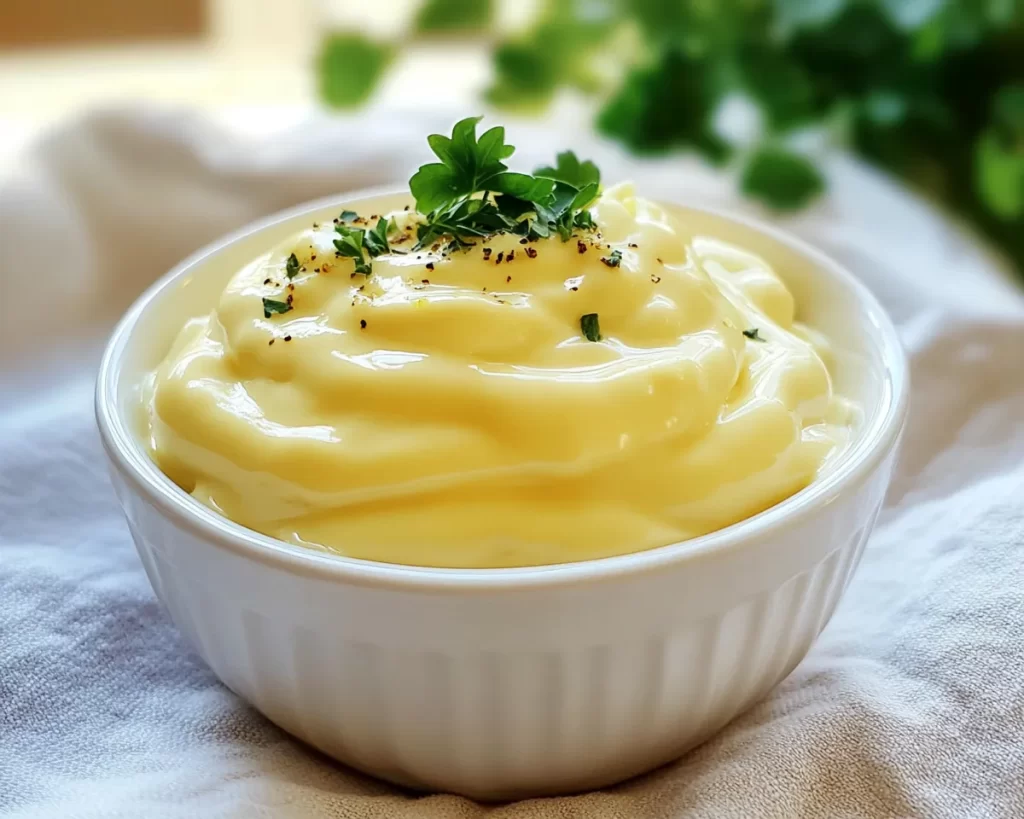
Homemade mayonnaise is an emulsion of oil, egg yolk, vinegar or lemon juice, and mustard. This combination creates a rich, creamy condiment that is both versatile and satisfying. Traditionally, mayonnaise has roots in French cuisine, stemming from “mahón,” a sauce from the Balearic island of Menorca, Spain. The texture is smooth and thick, while the flavor is tangy yet subtly rich.
The beauty of homemade mayonnaise is that it can be customized to your taste. Depending on the balance of ingredients you choose, you can create something mildly tangy to zingy. In this olive oil version, the depth of flavor from the oil complements the other ingredients perfectly, making it a healthier option compared to typical mayonnaise made with vegetable oils. You can enjoy it as a dip, a spread, or even a base for salad dressings or aioli, making it a staple in any kitchen.
Why You’ll Love This
There are numerous reasons to fall in love with this healthy olive oil mayonnaise recipe. First and foremost, the taste is incomparable. Store-bought mayonnaise often has a processed flavor that simply can’t match the fresh and creamy goodness of homemade. You will find that the texture is luscious, and you can easily adjust the level of acidity to match your palate.
Another reason to embrace this recipe is its simplicity. With just a few ingredients and a quick preparation time, you can have homemade mayonnaise ready in less than five minutes. Unlike other cooking methods, you’ll only need a whisk or an immersion blender to create this delicious condiment. For busy parents or those just starting in the kitchen, this is an excellent dish that allows you to save time while enjoying wholesome ingredients.
Moreover, making your own mayonnaise can be far more economical than repeatedly purchasing jars from the store. You’ll be surprised at how much you can save in the long run! Plus, when using high-quality ingredients, you will have a healthier product with no added preservatives—just pure, delicious flavor.
Ingredients You’ll Need
For this homemade mayonnaise, you’ll only need a few high-quality ingredients:
- 1 large egg yolk: The egg yolk acts as an emulsifier, creating the rich consistency we love in mayonnaise. If you’re concerned about raw eggs, you can use pasteurized eggs as a safer option.
- 1 tablespoon white vinegar: This adds a tangy flavor and acidity. If desired, you can substitute with fresh lemon juice for a more vibrant note.
- 1 teaspoon Dijon mustard: This ingredient enhances the flavor while also helping with emulsification. You can experiment with different mustards, including whole grain or spicy varieties, for a unique twist.
- 1 cup extra virgin olive oil: This is the heart of the recipe. Choose a high-quality olive oil for better taste. You can substitute with avocado oil or light olive oil, but avoid using highly refined oils for the best flavor.
- Salt: To taste. Salt enhances the flavor, making the mayonnaise truly pop. Start with ¼ teaspoon and adjust to your liking.
Each ingredient plays a vital role in creating the perfect flavor and texture. By adjusting these components, you can curate your version of homemade mayonnaise to delight your taste buds.
How to Make
Making homemade mayonnaise is a delightful and easy process that can seem daunting, but I assure you, you can master it in just a few minutes. Follow these step-by-step instructions to create a luscious homemade mayonnaise:
- Prepare Your Tools: Gather all your ingredients and tools. You’ll need a mixing bowl and an immersion blender or a whisk. Make sure your mixing bowl is clean and dry; any moisture or grease can hinder the emulsification process.
- Combine Ingredients: In the mixing bowl, add the egg yolk, white vinegar, and Dijon mustard. If you’re using a whisk, whisk the ingredients vigorously for about 10 seconds until they are well blended. If you’re using an immersion blender, short bursts will also do the trick!
- Incorporate the Oil: Start adding the olive oil very slowly while continuing to whisk or blending. If you don’t control the oil’s incorporation, your mayonnaise can break. I recommend adding it in a thin stream, ensuring that the mixture is emulsifying. After a few seconds, you’ll see the mixture start to thicken.
- Continue Whisking: As the mayonnaise begins to thicken, you can gradually increase the speed at which you add the oil. If it seems too thick, add a few drops of water or vinegar to lighten it up. Keep whisking until you reach the desired consistency.
- Add Salt: After the mayonnaise has thickened to your liking, taste it and then add salt gradually. Remember, you can always add more, but you can’t take it out! This step makes all the difference in amplifying the flavors.
- Store the Mayonnaise: Once your homemade mayonnaise is ready, transfer it to a clean airtight container. It can last about a week in the fridge—if it lasts that long!
Homemade mayonnaise is forgiving and allows for experimentation. The key to a successful emulsion lies in the slow incorporation of oil and the initial blending of the egg yolk and acid.
Variations & Substitutions
Herbed Mayonnaise: This variation involves adding fresh herbs such as dill, basil, or parsley to your mayonnaise. Simply chop the herbs finely and mix them into the mayonnaise after it has emulsified. This adds an aromatic flavor profile that is fantastic for sandwiches or a dip for vegetables. Combining herbs not only elevates the flavors but also makes your mayonnaise visually appealing.
Spicy Mayonnaise: For those who enjoy bold flavors, consider adding sriracha, chili powder, or cayenne pepper to the base recipe. Start with a teaspoon of sriracha or a pinch of cayenne, and adjust according to your heat preference. This spicy twist is excellent for drizzling over tacos or incorporating into dressings. The heat balances beautifully with the rich texture of the mayonnaise, creating a delightful contrast.
Garlic Aioli: If you’re in the mood for garlic flavor, add minced garlic cloves to the mayonnaise. This fragrant addition transforms it into garlic aioli, a versatile dip. Use roasted garlic for a sweeter, more mellow flavor, or raw garlic for a sharper bite. This variation is perfect for pairing with grilled meats or as a topping for burgers.
Lemon Mayonnaise: If you want your mayo to be more zesty, replace the vinegar with fresh lemon juice. Add lemon zest for an extra punch of citrus flavor. This refreshing take is fantastic as a salad dressing or a spread on fish and seafood dishes. The brightness of the lemon adds a refreshing quality that enhances any meal.
Each of these variations can be tailored to your tastes and preferences, allowing you to create a unique mayonnaise that suits a wide range of dishes.
Common Mistakes to Avoid
While making homemade mayonnaise can be straightforward, several common pitfalls can occur. One mistake is adding the oil too quickly. If done too fast, the mixture may not emulsify, leading to a separation of oil and liquid. To remedy this, pour the oil in a very thin stream and ensure you whisk or blend continuously to create that perfect texture.
Another common issue is using cold eggs directly from the fridge. Room temperature eggs blend better and create a more stable emulsion. If your egg is cold, simply place it in a bowl of warm water for a few minutes before using.
Lastly, be cautious with your salt—too little will leave the mayonnaise bland, while too much may overpower the other flavors. Start with a small amount, taste, and adjust as needed; a little bit can go a long way in enhancing the overall flavor profile of your homemade mayonnaise.
Storage, Freezing & Reheating Tips
Proper storage is essential for maintaining the freshness of your homemade mayonnaise. Always keep it in an airtight container in the refrigerator, where it can last for about a week. To ensure its longevity, use clean utensils when scooping out the mayonnaise to avoid introducing bacteria.
Freezing homemade mayonnaise is not recommended, as it can change the texture significantly once thawed. Instead, make small batches that you can consume within the week. If for any reason it separates, give it a good stir or a quick whisk to bring it back together before use.
Utility and flavor are the cornerstones for using your homemade mayonnaise. Consider using it in sandwich spreads, salad dressings, and dipping sauces for fried foods. It pairs wonderfully with everything from crispy roasted potatoes to fresh garden salads.
Frequently Asked Questions
Can I use a whole egg instead of just the yolk? Yes, you can use a whole egg if you prefer. This will yield a lighter mayo, though the texture will be slightly different. The emulsification will still occur, and you can achieve good results. However, it’ll be slightly thinner than a yolk-only version.
What can I do if my mayonnaise doesn’t thicken? If your mayonnaise fails to thicken, it may be due to adding the oil too quickly. Don’t fret! You can whisk a new egg yolk in a separate bowl and slowly incorporate your broken mayonnaise into that yolk. This can help it emulsify.
How can I make mayonnaise vegan? To make vegan mayonnaise, use aquafaba—the liquid from a can of chickpeas—as a base instead of egg yolk. Blend about 3 tablespoons of aquafaba with oil, vinegar, and mustard. This can create a creamy vegan alternative that is just as rich and satisfying.
Can I adjust the acidity of my homemade mayonnaise? Absolutely! You can experiment with the acidity by using different types of vinegar or citrus juices, such as apple cider vinegar or lime juice. Adjusting the acidity will add unique flavors and acidity levels that can enhance the overall taste of your mayonnaise.
Is homemade mayonnaise safe to eat? While making mayonnaise with raw egg yolks poses some risk, you can minimize it by using pasteurized eggs. Store your homemade mayo properly and consume it within a week to ensure safety and quality.
Conclusion:
This homemade mayonnaise recipe harnesses flavor, convenience, and health all in one simple preparation. With just a handful of ingredients, you can create a creamy delight that outshines store-bought versions. I encourage you to dive into the process and unleash your culinary creativity—experiment with flavors, textures, and variations. Don’t be afraid to make adjustments that suit your taste preferences, and feel free to share this recipe with friends and family. Once you try this simple yet delicious homemade mayonnaise, it’s likely to become a staple in your kitchen. Happy cooking!