Prep time: 10 minutes
Cook time: 0 minutes
Total time: 10 minutes
Servings: 1 cup
You might have fond memories of the first time you tasted homemade mayonnaise—its creamy texture and rich flavor dancing on your palate. Imagine spreading this luscious creation on a sandwich, dolloping it onto a fresh salad, or using it as a base for flavorful dips. The beauty of this recipe lies not just in its flavor but in its simplicity. With the right ingredients and a trusty hand blender, you can whip up mayonnaise in mere minutes. You’re in for a unique culinary experience! Here, you will learn how to make this no-fail mayonnaise, explore variations, and discover tips to perfect your technique.
What Is Homemade Mayonnaise (No Fail Hand Blender Method)?
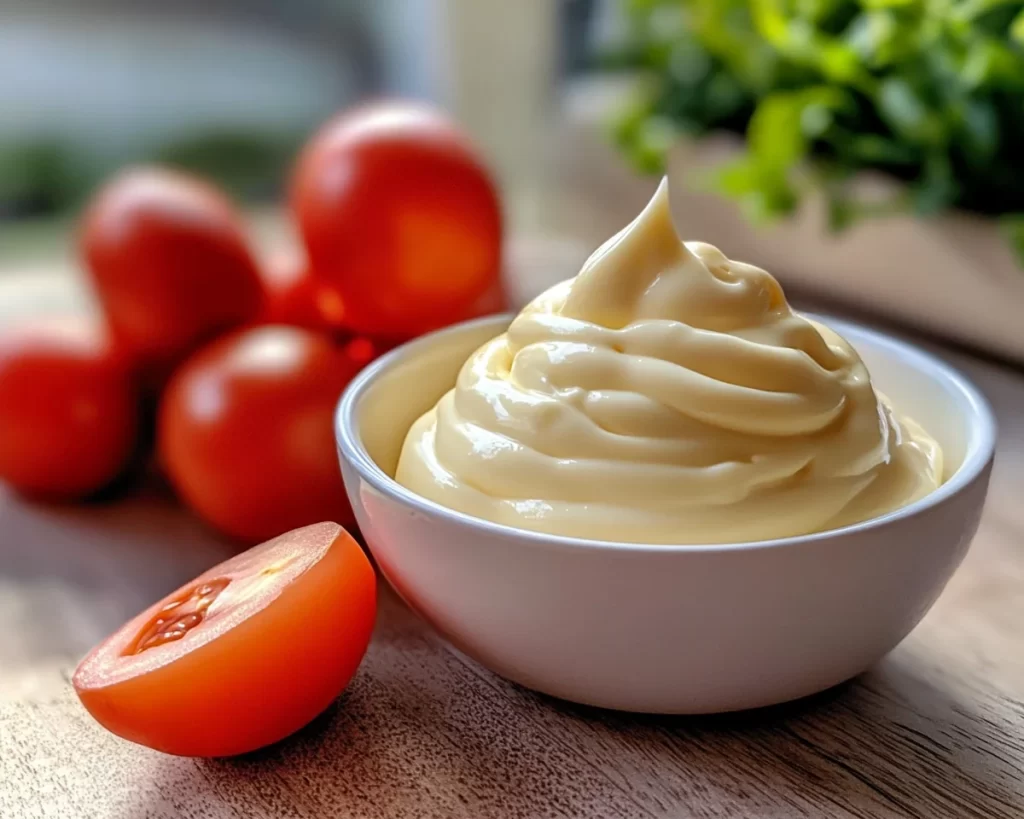
Homemade mayonnaise is a creamy condiment produced from emulsion of oil, egg yolk, and an acid, usually vinegar or lemon juice. Its origins can be traced back to France, but it has since sprawled into numerous culinary traditions worldwide. The magic of homemade mayonnaise lies in its wholesome flavor and impressive texture. Unlike store-bought varieties often laden with preservatives, homemade mayonnaise is fresh and vibrant, elevating any dish it graces.
When you prepare mayonnaise using the hand blender method, the emulsion process becomes child’s play. The hand blender allows you to maintain the correct proportions and blend the ingredients seamlessly, ensuring a velvety consistency without the risk of separation. Imagine the sensation of creamy goodness swirling through your senses! Once tried, you’ll never look back; there’s truly nothing like it.
Why You’ll Love This
There are countless reasons to love homemade mayonnaise, starting with its incredible taste. The flavor is customizable, allowing you to infuse it with spices, herbs, or citrus zest to match your palate. You get to control the quality of the ingredients, ensuring that it’s free from unnecessary additives. Plus, homemade mayonnaise is a *cost-effective* alternative to store-bought versions.
Many people fear making mayonnaise because it can be tricky, but this no-fail method simplifies the process considerably. You won’t need any special skills or equipment beyond your hand blender, and with just a few ingredients, you are ready to go. This recipe is perfect for busy parents looking for quick, nutritious meal options and beginner cooks eager to join the ranks of confident home chefs.
Ingredients You’ll Need
- 1 large egg yolk – This is the backbone of the mayonnaise, providing richness and acting as an emulsifier. For an egg-free option, consider aquafaba, the liquid from canned chickpeas.
- 1 tablespoon Dijon mustard – Adds a zingy depth to balance the richness of the mayonnaise.
- 1 tablespoon white wine vinegar or lemon juice – Offers acidity to cut through the fat, enhancing flavors. Use fresh lemon juice for a brighter taste.
- 1 cup neutral oil (such as canola or grapeseed) – The oil is what creates that luxurious texture. Olive oil can also be used, but it may yield a stronger flavor.
- Salt to taste – Essential for bringing out the flavors. Sea salt or kosher salt is preferable for a more subtle taste.
Each ingredient plays a critical role, and understanding their functions can help you customize your mayonnaise to your liking.
How to Make
1. **Gather your ingredients** – Start by laying out all the ingredients you’ll need. This will help ensure that everything is at your fingertips during the blending process. It’s essential to use room-temperature ingredients as this promotes better emulsification, which is key in achieving a creamy texture.
2. **Combine base ingredients** – In a tall, narrow container, add your large egg yolk, Dijon mustard, and vinegared lemon juice. Using a hand blender, pulse the mixture briefly to combine. You will notice a slight thickening, indicating that you’re on the right path.
3. **Start blending** – Place the hand blender into the container and begin to blend the mixture while slowly adding the neutral oil. It’s crucial that you pour in the oil very gradually—this will help the ingredients emulsify. You should see a creamy concoction forming right before your eyes, signifying that the emulsion is successfully taking place.
4. **Adjust seasoning** – Once you’ve incorporated all the oil and reached the desired consistency, it’s time to taste your mayonnaise. Add a pinch of salt and blend briefly to mix. You may want to adjust the acidity by adding more vinegar or lemon juice to balance the richness.
5. **Store appropriately** – Transfer your homemade mayonnaise to a clean, airtight container. This step is essential to keep your creation fresh. Store it in the refrigerator where it will be good for about one week—though you might find it disappears much faster than that!
Variations & Substitutions
Herbed Mayonnaise: This variation incorporates fresh herbs such as dill, basil, or parsley, giving your mayonnaise refreshing flavors. Simply blend your preferred herbs into the base recipe. This is especially delightful with fish or as a sandwich spread, appealing to anyone who loves bright and vibrant tastes.
Garlic Aioli: To create a delicious garlic aioli, add a couple of cloves of minced garlic to your base before blending. This addition not only provides a robust flavor profile but also makes for a conversation starter at dinner parties. This version pairs perfectly with roasted vegetables or as a dip for fries.
Chipotle Mayonnaise: If you’re craving a spicy kick, add chipotle peppers in adobo sauce to your mayonnaise blend. Blend it well for even distribution. This variation is excellent for sandwiches, tacos, or as a lively dip for your appetizers.
Lemon Zest Mayonnaise: For a further citrus-infused touch, consider adding lemon zest to your mayonnaise. This gives an extra burst of freshness, emitting a bright aroma. Perfect for atop grilled chicken or as a seafood condiment, the zest elevates your mayonnaise’s flavor profile immeasurably.
Vegan Mayonnaise: If you’d like a plant-based alternative, substitute the egg yolk with aquafaba. The process remains largely the same, but you’ll be left with an equally creamy, egg-free mayonnaise perfect for various dietary considerations.
Common Mistakes to Avoid
A few common pitfalls can occur. One key issue is incorporating the oil too quickly; doing so can lead to a broken emulsion. If you notice that the mixture isn’t thickening, pause your blending and add more oil gradually.
Another issue arises when the ingredients are too cold. Using room-temperature ingredients is crucial in achieving a stable emulsion—chilly oils or eggs can prevent proper mixing. If the texture appears too thin, you can blend in additional oil until you reach your desired consistency.
Lastly, always ensure that your blending container is appropriately sized—the hand blender needs to be submerged well enough to allow effective mixing. A too-wide container can result in a mess, while a too-small one can lead to uneven blending.
Storage, Freezing & Reheating Tips
For optimal freshness, store your homemade mayonnaise in an airtight container in the refrigerator. As previously noted, the shelf life is about one week. However, you should always rely on your senses—if it smells off or has an unusual texture, it is better to err on the side of caution.
You can freeze mayonnaise, but the texture may separate when thawed. If you plan to freeze it for later use, consider keeping it in smaller batches. This way, you minimise waste and can thaw just what you need. Always re-blend after thawing to regain a smooth consistency, and evaluate the flavors, adjusting as necessary.
When it comes to food safety practices, always use clean utensils to prevent contamination and discard any mayonnaise that has been left at room temperature for over two hours.
Frequently Asked Questions
Can I use a regular blender instead of a hand blender?
Yes, you can absolutely use a regular blender for this homemade mayonnaise! Just make sure to follow the same process of adding the oil gradually while blending. However, using a hand blender is often favored for easier handling and to avoid any mess.
What happens if my mayonnaise doesn’t thicken?
If your mayonnaise hasn’t thickened as expected, it may be due to incorporating the oil too quickly or using cold ingredients. You can fix this by adding a bit more oil gradually while continuing to blend until it reaches the desired consistency.
Can I make mayonnaise without eggs?
Yes, you can prepare a delicious egg-free mayonnaise by substituting aquafaba for the egg yolk. Aquafaba, which is the liquid from a can of chickpeas, works as an excellent emulsifier and yields a similarly creamy result.
What oils work best for mayonnaise?
Neutral oils are generally preferred for mayonnaise to keep the flavor mild. Canola, grapeseed, and sunflower oil are all excellent choices. However, if you’re looking for a more robust flavor, extra virgin olive oil can be used, but keep in mind it may yield a stronger taste.
Can this mayonnaise recipe be preserved longer than a week?
Homemade mayonnaise doesn’t typically last beyond a week due to the lack of preservatives. It’s best to consume it fresh. However, prepping in smaller portions can help minimize waste while ensuring you always have a fresh batch at hand.
Conclusion:
In summary, homemade mayonnaise using the no-fail hand blender method is a culinary gem that showcases how simple ingredients unite to create extraordinary flavors. From customizing the taste through various adventures to understanding the science behind emulsification, this method will empower you in the kitchen. Now it’s your turn to explore the possibilities of rich, creamy homemade mayonnaise. Give it a try, experiment with flavors, and don’t forget to share your creations with family and friends. Embrace the joy of cooking, and transform your meals with this simple yet rewarding recipe!
[Read also: Easy Dessert Recipes for Beginners]