Prep time: 10 minutes
Cook time: 0 minutes
Total time: 10 minutes
Servings: 8
Homemade mayonnaise is a culinary classic that conjures up images of summer picnics, hearty sandwiches, and exquisite dips. Imagine slathering it on your favorite bread or pairing it with crispy roasted vegetables. You might be wondering why **homemade mayonnaise** is special compared to store-bought versions. The truth is, nothing beats the creamy, fresh flavor of homemade mayonnaise. In this article, you will learn how to whip up an exceptional mayonnaise at home, its significance, and plenty of tips and variations to customize it to your liking!
The beauty of making mayonnaise at home is not just its flavor; it’s also about control. When you make it yourself, you can avoid unwanted preservatives and **sugars** often found in commercial brands. The joy of creating something so delicious from scratch is unparalleled. You’ll also discover different variations that cater to various dietary needs, making this an incredibly versatile recipe to have in your arsenal.
What Is Homemade Mayonnaise (No Sugar Recipe)?
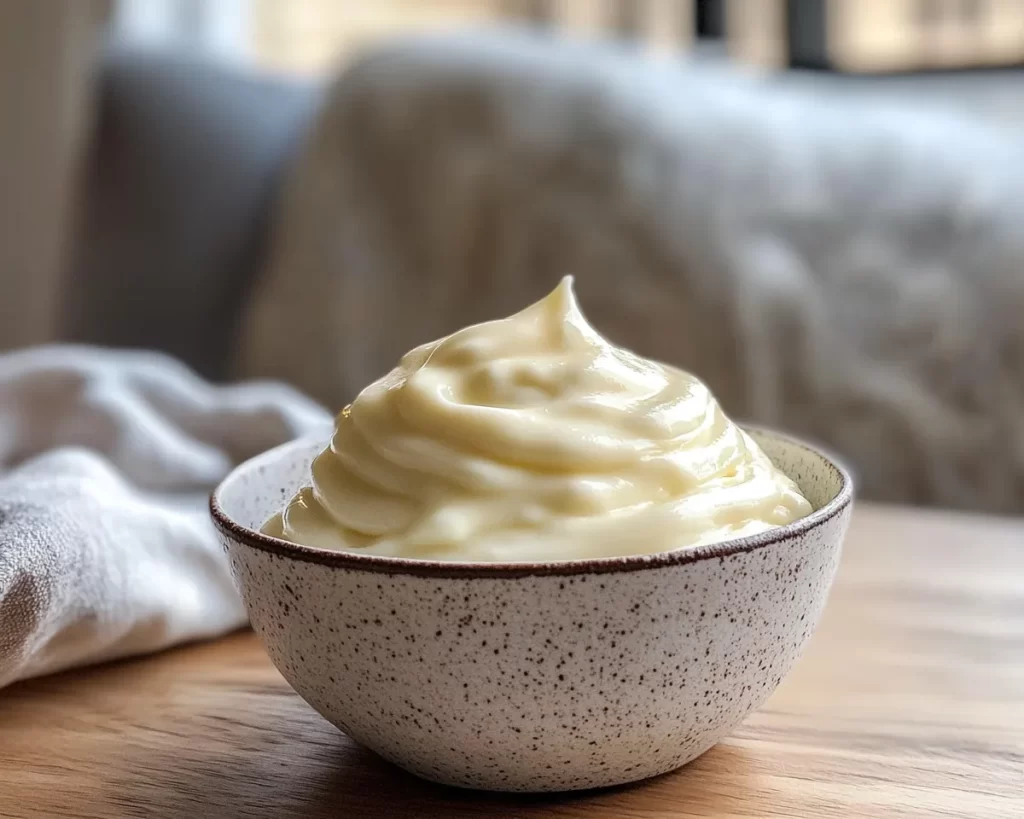
Homemade mayonnaise is an emulsified sauce that combines oil, egg yolk, and an acid like vinegar or lemon juice. Originating from French cuisine, it has grown to be a staple in numerous households worldwide. The texture of homemade mayonnaise is rich and velvety, enveloping your taste buds with its creamy goodness. Unlike its store-bought counterparts, which may sometimes have a strange aftertaste due to preservatives, homemade mayonnaise delivers a fresh and vibrant flavor that’s simply unmatched.
The fundamental **ingredients** of mayonnaise are basic and straightforward, but the magic lies in the technique. As you whisk or blend, you’re creating an emulsion where fat (the oil) and water (the egg yolk and acid) combine in a way that results in a luscious spread. Whether you’re a beginner or someone looking to refine your cooking skills, understanding how to make mayonnaise can elevate your culinary repertoire significantly.
Why You’ll Love This
This homemade mayonnaise recipe is bound to win your heart for several reasons. First, the taste is divine. Imagine the creamy texture that contrasts beautifully with the zestiness, creating a flavor explosion in your mouth. The delightful balance of the ingredients allows you to elevate salads and sandwiches, making them far more enjoyable.
Furthermore, preparing your mayonnaise is surprisingly easy and quick. Within just ten minutes, you can create a fresh batch using **ingredients** you likely already have at home. Economically speaking, homemade mayonnaise can often be less expensive compared to store-bought options, especially if you’re planning on using it regularly.
A common misconception is that making your mayonnaise is tricky or time-consuming, but that couldn’t be further from the truth. As long as you take care to add the oil gradually and follow the process, you’ll achieve a magnificent outcome. Plus, you can have fun customizing it to your preferences, experimenting with flavors and consistencies until you find what rocks your taste buds.
Ingredients You’ll Need
- 1 large egg yolk – The key ingredient that acts as an emulsifier. If you have dietary restrictions, you can use pasteurized egg yolks for safety.
- 1 tablespoon lemon juice – This adds a fresh acidity. You can substitute it with vinegar if you prefer a different tang.
- 1 cup neutral oil (like canola or sunflower) – The main fat component. Using high-quality oils will improve the flavor.
- Salt to taste – Essential for enhancing the overall flavor of the mayonnaise. Experiment with different kinds like sea salt or Himalayan pink salt.
- Pepper (optional) – A pinch can provide an extra layer of flavor, making the mayonnaise more versatile.
These few simple ingredients work harmoniously together to create a condiment that can elevate any dish.
How to Make
1. **Prepare Your Workstation**
Start by gathering all your ingredients and have them measured out for easy access. Make sure your bowl or blender is clean and dry—water can break the emulsification.
2. **Combine the Egg Yolk and Acid**
In a mixing bowl, add the egg yolk along with the lemon juice. Using a whisk, beat these together until they are well blended. This step is vital as it provides the base for your emulsion.
3. **Gradually Add the Oil**
Start pouring in the oil in a slow, thin stream, while continually whisking or blending. This is where the magic happens! The slow addition of oil allows the mixture to emulsify properly, creating that signature creamy texture.
4. **Season Your Mayonnaise**
Once the mayonnaise has thickened and reached your desired consistency, season it with salt and optional pepper. Taste and adjust the seasoning as needed. This is the moment to make it your own.
5. **Store Properly**
Transfer the mayonnaise to an airtight container and store it in the refrigerator. It should last for about a week. Always keep in mind food safety, especially since you’re using raw egg yolk.
6. **Enjoy!**
Use your homemade mayonnaise immediately or savor it over the next week. Try it on sandwiches, in salads, or as a dip for veggies or chips.
The joy of creating homemade mayonnaise stems not only from its flavor but also the texture and freshness. It can become a delightful addition to many meals, enhancing everyday dishes.
Variations & Substitutions
Garlic Aioli Variation
If you’re a fan of garlic, why not transform your mayonnaise into a delightful garlic aioli? Simply add minced raw garlic to the egg yolk and lemon juice mixture before emulsifying. The result is a rich, creamy mayonnaise with a robust garlic flavor that’s perfect for sandwiches or as a dip for roasted potatoes.
This variation can cater to those who love a punch of flavor and are looking for alternative ways to use mayonnaise. The addition of garlic not only enhances the taste but also gives the condiment a bold aroma that can elevate any dish it accompanies.
Herbed Mayonnaise Variation
For a fresher twist, consider incorporating chopped herbs such as fresh dill, basil, or parsley into your homemade mayonnaise. Add about 1 to 2 tablespoons of your chosen herbs after the mayonnaise has thickened. This will give you a vibrant, fragrant sauce that’s perfect for slathering on grilled chicken or fish.
This variation is a fantastic option for busy parents looking to sneak in some extra flavor into their meals or for anyone who enjoys experimenting in the kitchen with fresh herbs.
Spicy Sriracha Mayonnaise Variation
If you crave a little heat, mix in a tablespoon or two of sriracha or your favorite hot sauce to your mayonnaise. This fiery version is a fantastic addition to burgers and sandwiches, providing a kick that can brighten up any meal.
Spicy variations can be particularly appealing for adventurous eaters who like to engage their taste buds. It’s a great way to customize the flavors to suit your personal preferences.
Common Mistakes to Avoid
When making homemade mayonnaise, it’s crucial to steer clear of a few common pitfalls. One of the most significant mistakes is adding the oil too quickly; if you dump it in all at once, you risk breaking the emulsion. Always start with a slow, steady stream and incorporate it gradually.
Another key point is the temperature of your ingredients. If the egg yolk is too cold, it can prevent the mayonnaise from emulsifying correctly. Ensuring all ingredients are at room temperature will help facilitate a smooth mixture.
Lastly, do not neglect the seasoning! Under-seasoned mayonnaise can be bland, so take the time to taste and adjust your salt accordingly. Seasoning enhances the overall flavor and brings your mayonnaise to life.
Storage, Freezing & Reheating Tips
Proper storage is essential to ensure the longevity and safety of your homemade mayonnaise. Keep it in an airtight container and store it in the refrigerator, where it can last for about a week.
It is not advisable to freeze mayonnaise as the texture may change when thawed, leading to a watery consistency. It’s best enjoyed fresh; however, if you find yourself with more than you can use in a week, consider scaling down your recipe next time!
Additionally, be vigilant about food safety practices. Since mayonnaise is made with raw eggs, always use fresh ingredients and refrigerate any leftover mayonnaise immediately after use.
Frequently Asked Questions
Can I use whole eggs instead of just the yolk?
Yes, you can use a whole egg instead of just the yolk! This will give your mayonnaise a lighter texture and slightly different flavor. Whole egg mayonnaise can also be easier for beginners to achieve emulsification since it has more liquid.
What can I do if my mayonnaise breaks?
If your mayonnaise doesn’t emulsify and appears broken, don’t despair! You can rescue it by starting with a fresh egg yolk in a clean bowl. Slowly whisk or blend the broken mayonnaise into the new yolk, which should help it come together.
How long does homemade mayonnaise last?
Homemade mayonnaise can last up to one week in the refrigerator when stored properly in an airtight container. If you notice any off smells, flavors, or changes in texture, it’s best to discard it.
Can I make mayonnaise without eggs?
Yes! You can create egg-free mayonnaise using ingredients like silken tofu or aquafaba (the liquid from canned chickpeas). Both options provide a creamy texture similar to traditional mayonnaise without any eggs.
What are the best oils to use for mayonnaise?
The best oils for mayonnaise are neutral-flavored options like canola, sunflower, or grapeseed oil. However, you can also experiment with olive oil for a different flavor profile. Just be aware that using olive oil can produce a stronger tasting mayonnaise.
Conclusion:
Homemade mayonnaise is not just a recipe; it’s an experience that embraces the flavors and textures for many dishes. The satisfaction of creating your mayonnaise from scratch, knowing exactly what goes into it, can be immensely rewarding. Whether you decide to stick to the classic recipe or try your hand at variations like garlic aioli or spicy sriracha mayonnaise, this condiment will undoubtedly enhance your culinary creations.
I encourage you to give this recipe a try and experience the rich and vivid flavors that homemade mayonnaise brings. Once you’ve mastered it, the possibilities are endless! So go ahead, gather your ingredients, and whip up something delightful you’ll be proud to share!