Prep time: 10 minutes
Cook time: 0 minutes
Total time: 10 minutes
Servings: 8 servings
Homemade mayonnaise is one of those culinary delights that not only elevates the simplest of dishes but also serves as a canvas for your dietary creativity. Imagine creamy and rich flavors enveloping your fresh spring vegetables, all while knowing you made it yourself! The act of whipping up your own mayonnaise might seem daunting at first, but let me assure you, it’s not only simple but also incredibly rewarding. This classic condiment can transform salads, sandwiches, and dips into gourmet experiences, with the added benefit of knowing every ingredient that has gone into it. In this article, we will dive deep into the culinary world of homemade mayonnaise, covering everything from its creamy texture to variations and storage tips.
What Is Homemade Mayonnaise (Perfect for Spring Salads)?
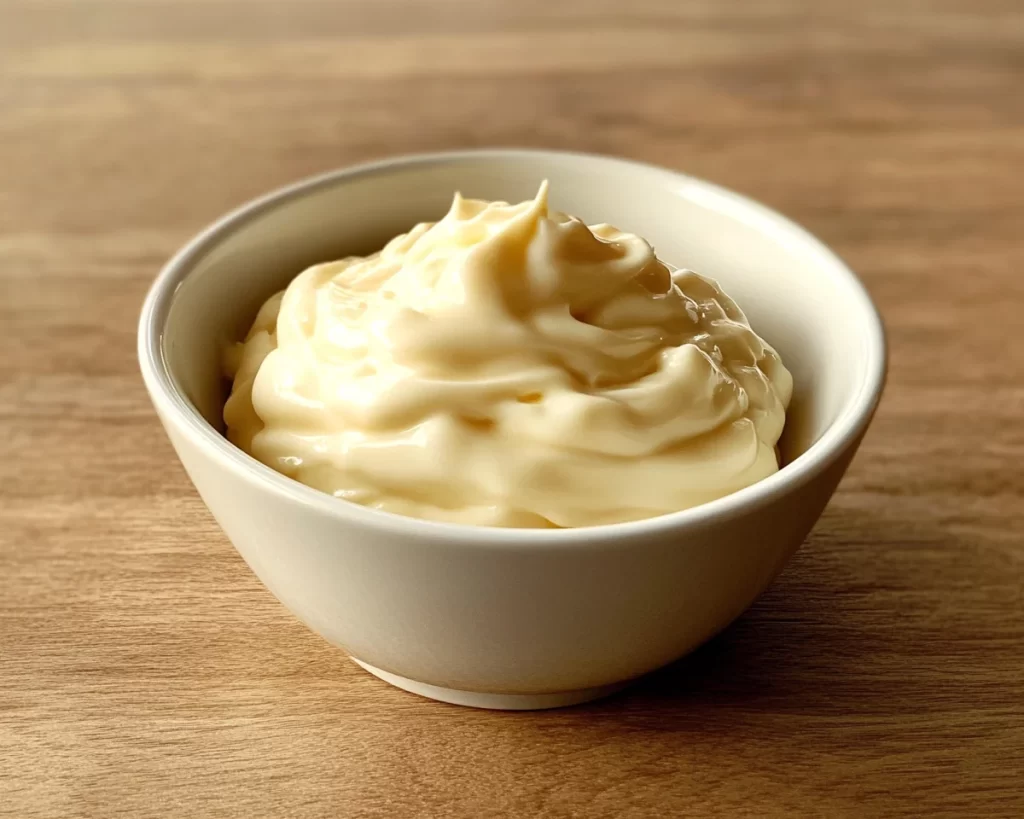
Homemade mayonnaise is an emulsion, typically made from egg yolks, oil, and a splash of acid such as vinegar or lemon juice. This emulsification process creates a thick, creamy condiment that has a luxurious mouthfeel. With each ingredient playing a vital role, every drop of homemade mayonnaise bursts with fresh flavor and testament to its artisanal nature. Store-bought mayonnaise often lacks the vibrant taste of its homemade counterpart, and it’s laden with preservatives, which we can gladly avoid. The vibrant hue of homemade mayonnaise showcases fresh egg yolks, while its texture is smooth and thick, perfectly pestering your taste buds.
In its essence, mayonnaise originates from the cold Spanish sauce ‘mahonnaise,’ and over the years, this condiment has evolved into a beloved staple found across many cultures. Its uses range from dressing salads to being the star in classic dishes like potato salads and deviled eggs. The possibilities are endless, limited only by your imagination.
Why You’ll Love This
There are several reasons why you will adore this mayonnaise recipe. Firstly, the taste is simply unparalleled. When you create mayonnaise from scratch, you have complete control over the ingredients, resulting in a flavor that is bright, tangy, and personalized to your palate. Homemade mayonnaise also tends to be more affordable than store-bought varieties, especially considering the high-quality oil and fresh ingredients you can utilize. You can experiment with different oils and seasonings, giving each batch a unique twist.
Moreover, you won’t have to worry about preservatives or additional additives. Instead of containing unrecognizable ingredients, your homemade version will consist of only the basics: eggs, oil, acid, and perhaps your favorite seasonings. This transparency is particularly advantageous for busy parents or individuals conscious of their dietary choices. Some common misconceptions about homemade mayonnaise suggest that it is challenging or time-consuming, but I assure you it can be made in under ten minutes with the right technique.
Ingredients You’ll Need
Here are the essential ingredients needed to whip up your homemade mayonnaise:
- 1 large egg yolk: The base of your mayonnaise, providing richness and aiding in emulsification.
- 1 tablespoon Dijon mustard: Adds a depth of flavor and helps stabilize the emulsion.
- 1 tablespoon white wine vinegar or lemon juice: The acid balances the richness.
- 1 cup neutral oil (like canola or grapeseed): The primary fat which creates the emulsion; feel free to use extra virgin olive oil for a distinct flavor.
- Salt to taste: Enhances the overall flavor.
- Pepper (optional): A touch of freshly cracked black pepper adds subtle complexity.
- Additional seasonings (optional): You can include garlic powder, smoked paprika, or fresh herbs for a flavor boost.
Each ingredient plays an important role, and don’t hesitate to make substitutions if necessary. For instance, if you prefer a vegan version, there are egg replacements you can use, like aquafaba. When selecting your oil, choose one with a flavor profile you enjoy, as it will significantly impact your final product.
How to Make
Creating homemade mayonnaise is easier than you would think! Follow these simple steps:
- Gather your ingredients: Ensure that your egg yolk and mustard are at room temperature. This can help them emulsify more easily. Take out your mixing bowl, whisk, and measuring utensils. This preparation step allows for a smooth and efficient process.
- Combine the yolk and mustard: In a medium-sized mixing bowl, add the egg yolk and Dijon mustard. Using a whisk or fork, blend them together until the mixture is smooth. The mustard not only provides flavor but acts as an emulsifier, helping the oil combine with the egg yolk.
- Add the vinegar or lemon juice: Incorporate the white wine vinegar or lemon juice into the yolk mixture and blend thoroughly. This will add acidity, balancing the richness of the oil and egg.
- Start adding the oil: This step is crucial for achieving that coveted emulsion. While continuously whisking, begin to add the oil in a slow, steady stream. Start with just a few drops, then gradually increase the quantity. Whisking continuously helps form the emulsion, ensuring the mayonnaise thickens beautifully.
- Continue emulsifying: Keep whisking vigorously as you add the oil. You will notice the mixture beginning to thicken and take on a creamy consistency. This will happen as the oil and egg yolk blend together. If for some reason the mayonnaise isn’t thickening, stop adding oil, and whisk more vigorously before resuming.
- Season to taste: Once you’ve added all the oil and achieved the right thickness, it’s time to add salt and pepper. Taste your mayonnaise, and adjust seasonings as necessary. You can also fold in additional flavorings like garlic powder or herbs at this stage if desired.
- Store or use: Transfer your homemade mayonnaise to a clean jar or airtight container. It can be stored in the refrigerator for up to one week. Remember to always use a clean utensil to scoop from the jar to maintain freshness.
As you follow these steps, remember that practice makes perfect. If your first attempt is not flawless, don’t be disheartened. With a bit of patience and practice, you will master the art of homemade mayonnaise.
Variations & Substitutions
Garlic Aioli Variation: For an aromatic twist, consider making garlic aioli. Simply add 1-2 cloves of minced garlic into your mayonnaise mixture. This not only enhances the flavor but also complements many dishes beautifully. The aromatic garlic gives depth, creating an exceptional addition to grilled vegetables or as a spread on a sandwich.
Spicy Chipotle Mayonnaise Variation: If you’re a fan of spicy flavors, try incorporating chipotle peppers adobo sauce. Start by mixing in one tablespoon of chipotle sauce to your mayonnaise, and for additional heat, add more according to taste. This variation is excellent for drizzling over tacos or as a dip for fries, giving a smoky and spicy kick to your dishes.
Zesty Herb Mayonnaise Variation: For a fresh herb blend, consider adding finely chopped fresh herbs like dill, parsley, or chives. About 2 tablespoons of your preferred herb will introduce a fresh flavor, perfect for brightening up salads. This is particularly ideal when served with spring veggies, enhancing their natural flavors while maintaining a light and refreshing profile.
Vegan Mayonnaise Variation: If you’re looking for a plant-based alternative, aquafaba (the liquid from canned chickpeas) can substitute for egg. Use about 3 tablespoons of aquafaba in place of the egg yolk and proceed as with the original recipe. You’ll end up with a vegan mayo that still has that creamy texture, ideal for those with dietary restrictions.
Each variation provides an avenue for creativity while ensuring your homemade mayonnaise remains adaptable to suit your flavor preferences.
Common Mistakes to Avoid
One common mistake in making mayonnaise is not ensuring your ingredients are at room temperature. If the egg yolk is cold, it may inhibit emulsification, resulting in a separated or runny mixture. If this happens, you can try bringing the temperature back up by whisking it in a bowl over warm water.
Another pitfall is adding the oil too quickly. Remember, this process is all about emulsification, and pouring too much oil in too fast can cause the mixture to break. Always start with a slow drizzle and increase to a steady stream once you see the mayonnaise start to thicken.
Finally, don’t be afraid to adapt the seasoning. Many people under-season their mayonnaise. A lack of salt can make it taste flat, as the flavors won’t pop. If your mayonnaise lacks brightness, consider adjusting with more lemon juice or vinegar. These adjustments can make a world of difference!
Storage, Freezing & Reheating Tips
Homemade mayonnaise typically lasts in the refrigerator for about one week. To store it properly, ensure it is in an airtight container. Keeping it sealed will help minimize exposure to air and bacteria, preserving its freshness. Always use a clean spoon when scooping out mayonnaise, to avoid contamination.
Freezing mayonnaise is generally not recommended as it can change the texture, resulting in a grainy consistency upon thawing. If you have excess mayo and do want to freeze it, consider isolating the portions into an ice cube tray, allowing you to thaw only what you need.
If you notice the mayonnaise separating over time, don’t be alarmed! A good whisk or brief mix can bring it back to life, so long as it has been kept in the refrigerator and remains within the consumption window.
Frequently Asked Questions
Can I make mayonnaise without mustard?
While mustard is an excellent emulsifier for mayonnaise, you can technically make mayonnaise without it. Keep in mind that the flavor may be different. If you decide to skip the mustard, increase the amount of vinegar or lemon juice to compensate for the added flavor, and mix carefully to achieve the right consistency.
Can I use olive oil for mayonnaise?
Yes! Extra virgin olive oil can be used for a flavorful mayonnaise, but it’s essential to remember that its robust taste will significantly influence the final flavor of the mayonnaise. If you enjoy the taste of olive oil, go for it, but for a milder flavor, consider using a neutral oil like canola.
What if my mayonnaise doesn’t thicken?
If your mayonnaise doesn’t thicken, it could be due to adding the oil too quickly or using cold ingredients. To rescue it, you can try whisking in an additional egg yolk separately in a new bowl and gradually incorporate the broken mayonnaise into this new yolk until it thickens.
Is homemade mayonnaise safe to eat?
Homemade mayonnaise can be safe to consume, but it is crucial to consider pasteurization. Using pasteurized eggs can significantly reduce the risk of foodborne illness. If you’re concerned about raw eggs, consider making a mayonnaise alternative using aquafaba for a safer option.
Can I flavor my mayonnaise with other ingredients?
Absolutely! Homemade mayonnaise is highly customizable. You can fold in roasted garlic, herbs, or spices after the basic recipe is completed. The sky’s the limit with it when it comes to flavoring, so feel free to experiment!
Conclusion:
Homemade mayonnaise is more than merely a condiment; it is an opportunity for creativity and personalization in your kitchen. By taking the time to combine fresh, wholesome ingredients, you’re immersing yourself in an artisanal experience while enjoying the superb flavors that homemade versions of staples can offer. It’s easy to make, adaptable for various diets and tastes, and doesn’t overwhelm your schedule. So go ahead, take this leap into your culinary journey, experiment with the flavors, and share your results with friends and family. Happy whisking!