Prep time: 45 minutes
Cook time: 30 minutes
Total time: 1 hour 15 minutes
Servings: 4
Homemade Shrimp and Lobster Ravioli Delight is a dish that epitomizes indulgence while being remarkably accessible. Imagine delicate pasta pillows filled with a sumptuous mix of seafood, enveloped in a rich sauce that tantalizes each taste bud. This recipe isn’t just food; it’s a love letter to the joys of home cooking, the kind of comfort that warms your heart and satisfies your cravings. Whether it’s a cozy date night at home or a festive family gathering, this dish holds the power to impress and resonate across a wide array of occasions.
What makes this recipe truly special is the combination of freshness and flavor in the filling, offering a luxurious option for any pasta lover. In this article, you’ll not only learn how to craft the ravioli from scratch but also how to elevate the overall dining experience with nuances in taste and texture. Prepare to embark on a culinary journey that will transform your kitchen into an Italian haven!
What Is Homemade Shrimp and Lobster Ravioli Delight?
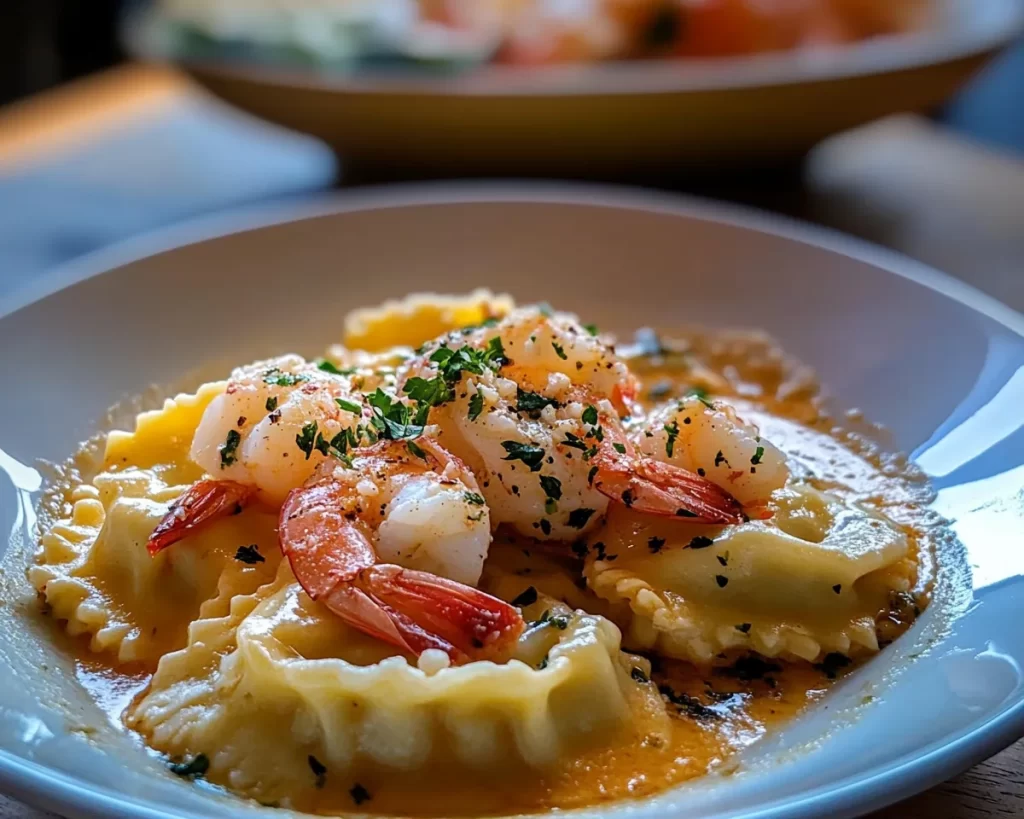
Homemade Shrimp and Lobster Ravioli Delight is a pasta dish that brings together the best of both worlds: rich, buttery lobster and tender shrimp. Ravioli has its origins in Italy, typically filled with various ingredients like meats, cheeses, or vegetables, and this seafood variation offers a taste of the ocean in every bite. The texture of the ravioli pasta is silky and smooth, serving as the perfect envelope for the creamy and flavorful filling inside.
The dish is often completed with a savory sauce—maybe a light garlic butter sauce, pesto, or a creamy Alfredo—that complements the seafood beautifully. The sweetness of the lobster blends harmoniously with the briny flavor of the shrimp, creating a rich and nuanced seafood profile that is simply irresistible. This indulgent meal can transform any home-cooked dinner into a fine dining experience, making it a must-try for anyone looking to impress their family or guests.
Why You’ll Love This
There are several reasons why you’ll absolutely love making Homemade Shrimp and Lobster Ravioli Delight. First and foremost, the taste is extraordinary; with a harmonious blend of seafood flavors and the divine aroma that fills your kitchen as it cooks, you’ll find it nearly impossible to resist. This dish is a joy to create because it allows you to express your culinary creativity while providing a gourmet experience that doesn’t require a large budget. You can buy fresh ingredients and recreate a restaurant-quality dish right in your kitchen.
Another reason to adore this recipe is its versatility. If you have dietary restrictions or preferences, you can easily make substitutions without compromising on flavor. And for those busy parents or individuals balancing multiple tasks, this recipe offers a chance to meal prep. You can make the ravioli in advance and freeze them, ensuring that a delicious homemade meal is always just a quick cook away. Most importantly, rather than overwhelming you with complicated techniques, this recipe guides you step by step, making it approachable even for kitchen novices.
Ingredients You’ll Need
- All-purpose flour: For making the pasta dough. You can substitute with semolina flour for a slightly different texture.
- Eggs: Essential for binding the dough and adding richness. You may use egg substitutes like flaxseed meal or a commercial egg replacer for a vegan option.
- Fresh shrimp: Adds a sweet and briny flavor. If fresh isn’t available, frozen shrimp can be a suitable alternative; just ensure it’s fully thawed.
- Fresh lobster meat: The star ingredient that gives this dish its luxe appeal. Pre-cooked or canned lobster meat can also be used in a pinch.
- Ricotta cheese: Gives a creamy texture to the filling. You may substitute with cottage cheese or vegan ricotta if required.
- Parmesan cheese: For an added depth of flavor; nutritional yeast is an excellent dairy-free option for those avoiding animal products.
- Garlic: Enhances the overall flavor of the filling and adds aromatic sweetness.
- Salt and pepper: Basic seasonings that enhance the filling’s taste. Sea salt is recommended for a more robust flavor profile.
- Butter or olive oil: For finishing the sauce; choose olive oil for a lighter option.
- Fresh herbs: Basil or parsley for garnish; these add a pop of color and freshness to the final dish.
Each of these ingredients plays an integral role in the overall dish. The combination of seafood creates a multi-dimensional palate experience with sweetness and savory notes, while the cheese adds creamy richness. Choosing high-quality ingredients—especially in seafood—can elevate this dish significantly!
How to Make
- Prepare the pasta dough: In a large mixing bowl, combine 2 cups of all-purpose flour with a pinch of salt. Create a well in the center and crack in 2 large eggs. Use a fork to beat the eggs gently while gradually incorporating the flour from the edges of the well. Once the dough starts to come together, use your hands to knead it until smooth, about 8-10 minutes. Wrap the dough in plastic wrap and let it rest at room temperature for 30 minutes.
- Prepare the filling: Meanwhile, in a skillet over medium heat, melt 1 tablespoon of butter or olive oil. Add minced garlic and cook until fragrant—about 1 minute. Add 1 cup of chopped shrimp and 1 cup of chopped lobster. Cook for roughly 3-4 minutes until the seafood is just cooked through but not rubbery. In a bowl, combine the cooked seafood, 1 cup of ricotta cheese, ¼ cup of grated Parmesan cheese, ½ teaspoon of salt, and ¼ teaspoon of pepper. Mix thoroughly and set aside to cool.
- Roll out the pasta: After the dough has rested, cut it into four equal parts. Keep the pieces you aren’t using covered to prevent them from drying out. Using a pasta machine or a rolling pin, roll out one part of the dough to about 1/8-inch thickness. Make sure to lightly flour the surface to prevent sticking. You should be able to see your hand through the dough when it’s ready.
- Cut and fill the ravioli: Place the rolled-out dough on a floured surface. Using a cookie cutter, glass, or ravioli mold, cut out circles or squares from the dough. Add about 1 tablespoon of the seafood filling onto one half of each dough piece. Be careful not to overfill. Use a pastry brush to wet the edges of the pasta with water, fold over, and press firmly to seal. Ensure there are no air pockets within the ravioli.
- Cook the ravioli: Bring a large pot of salted water to a boil. Carefully drop in the ravioli and cook for 3-5 minutes. Fresh pasta cooks quicker than dried pasta; when they float to the top, they are done. While the ravioli cook, prepare your sauce of choice.
- Prepare the sauce: In a separate skillet, melt 2 tablespoons of butter over medium heat. Add minced garlic and sauté until fragrant. You may add a splash of white wine and allow it to reduce by half for extra flavor. Finish the sauce with a splash of vegetable or seafood stock and a handful of fresh herbs. Combine well and keep warm until the ravioli are ready.
- Combine and serve: Once the ravioli are cooked, carefully transfer them to the skillet with the sauce, gently tossing them to coat fully. Serve immediately, garnished with additional Parmesan and fresh herbs. Enjoy your Homemade Shrimp and Lobster Ravioli Delight!
This recipe is not just about cooking; it’s about craftsmanship and understanding the nuances of each detail along the way. Take your time, enjoy the process, and most importantly, taste as you go!
Variations & Substitutions
Vegetarian Variation: If you are looking to create a vegetarian version of this recipe, consider using a mix of seasonal vegetables such as mushrooms, spinach, and ricotta in place of the seafood. This substitution transforms the dish into a delightful herbaceous experience, offering a satisfying and filling meal even for those who don’t eat meat or seafood. You may also add roasted butternut squash for a creamy texture, and lashings of sage butter can replace the sauce to enhance the fall flavors.
Gluten-Free Variation: For those adhering to a gluten-free diet, using gluten-free all-purpose flour or pre-made gluten-free pasta sheets will make this dish accessible. The filling can remain the same, but make sure your cheeses and sauces are gluten-free certified. The taste may slightly differ, but the savory seafood and creaminess of the ricotta will still shine through, providing a satisfying alternative for gluten-sensitive eaters.
Herbed Sauce Variation: Change up the sauce to create different flavor profiles. Instead of the garlic butter sauce, consider making a creamy dill or tarragon sauce for a fresh twist. Sauté fresh herbs in butter with a splash of cream for a rich and fragrant addition that complements the seafood delightfully. This variation can transform the dish from simple to extraordinary, making it feel special and unique every time you prepare it.
Seafood Alternatives Variation: If you want to change the seafood profile, you may experiment by using crab or scallops in place of shrimp or lobster. Each seafood offers unique textures and flavors; crab adds sweetness, while scallops provide a tender bite. Adjust the cooking times as necessary to account for the size and texture of the alternative seafood options, ensuring you still create a rich flavor experience.
Common Mistakes to Avoid
One of the most common mistakes when making ravioli is improper sealing. If the ravioli are not sealed tightly, they can burst while cooking, losing the savory filling. Always ensure that the edges are dampened and pressed firmly to prevent air pockets that cause leakage. Another frequent issue is overcooking the pasta; fresh pasta cooks quickly, and leaving them in boiling water for too long will turn them mushy. Keep a close eye and taste to know when they’re perfectly cooked.
Using too much filling can lead to a similar issue—bursting ravioli. Stick to the recommended amount to ensure that your pasta holds together beautifully. Lastly, don’t skip on letting your pasta dough rest; this is crucial for achieving the right texture. A rested dough is much easier to roll out and shape because it allows the gluten to relax, ultimately leading to a better final product.
Storage, Freezing & Reheating Tips
To store any leftover ravioli, place them in an airtight container in the refrigerator, where they will keep for about 2-3 days. It’s recommended to separate layers with parchment paper to prevent sticking. If you want to freeze uncooked ravioli, you can lay them in a single layer on a baking sheet, freeze until solid, and then transfer them to freezer bags. They will keep well for about 2-3 months.
When reheating, for cooked ravioli, a gentle approach is best. Either steam them or warm them up in a sauce over low heat to revive their texture. Boiling them again can lead to mushiness, so alternatives like sautéing them might work better. Be sure to test for doneness, keeping an eye on the pasta to prevent overcooking.
Always ensure food safety best practices by cooling down any leftovers swiftly and storing them within two hours of cooking to avoid bacterial growth. If the ravioli has an off odor or unexpected texture after storage, it’s best to discard it.
Frequently Asked Questions
Can I use frozen shrimp and lobster for this recipe? Absolutely! Frozen shrimp and lobster are great alternatives to fresh seafood, as they are usually frozen immediately after being caught. Just be sure to thaw them completely in the refrigerator before using them in your filling.
What can I serve with Homemade Shrimp and Lobster Ravioli Delight? This dish pairs wonderfully with a light side salad tossed with lemon vinaigrette, as the acidity will balance the rich flavors of the ravioli. Crusty garlic bread also complements the meal, allowing you to soak up every last drop of the delectable sauce.
Is it possible to make the ravioli in advance? Yes! You can prepare the ravioli and freeze them either uncooked or cooked. If you freeze uncooked ravioli, ensure they’re separated on a baking sheet until firm, then transfer them to a freezer bag. When you’re ready to eat, cook them straight from the freezer without thawing.
Can I make the pasta dough without a machine? Yes! While a pasta machine is helpful, you can absolutely use a rolling pin to roll out the dough. Just make sure to roll it evenly and to a thickness of about 1/8-inch for the best results.
How do I know when the ravioli are done cooking? Fresh ravioli typically cook for about 3-5 minutes. They are done when they float to the top of the boiling water. It’s best to taste one to ensure it has the right texture—soft yet firm, with no gummy consistency.
Conclusion:
Making Homemade Shrimp and Lobster Ravioli Delight is a rewarding experience that nourishes not just your body but also your spirit. The flavors and textures intertwine beautifully, creating a dish that you’ll want to replicate time and time again. Don’t hesitate to make the recipe your own by adding in your favorite seasonal ingredients or adjusting the spices to suit your palate. We encourage you to take on this culinary adventure—try it, customize it, and share it with friends and family. Your home can become the next go-to spot for amazing homemade ravioli!