Prep time: 15 minutes
Cook time: 25 minutes
Total time: 40 minutes
Servings: 4
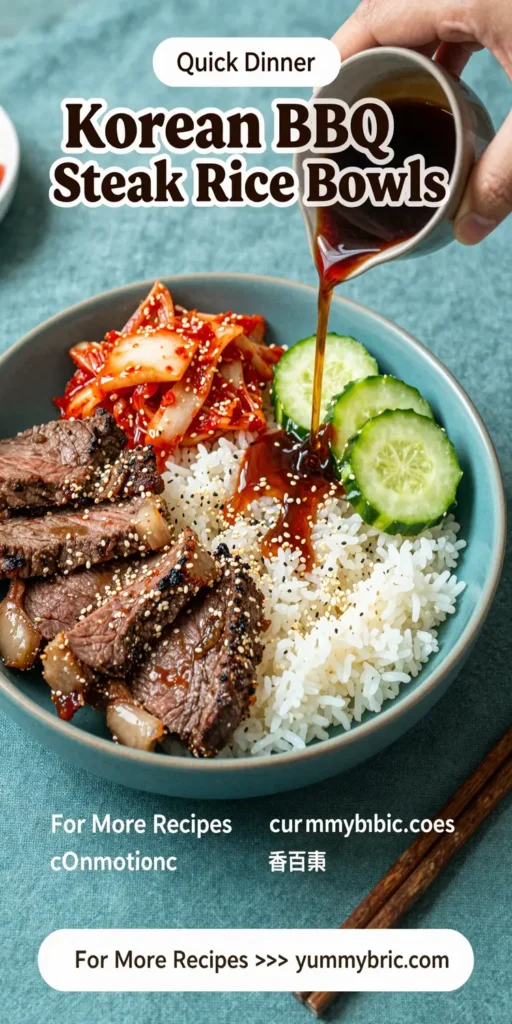
Korean BBQ Steak Rice Bowls are a delightful fusion of vibrant flavors, tender marinated steak, and fresh vegetables, all served over a bed of fluffy rice. This recipe not only brings the taste of Korean BBQ to your home but also simplifies the cooking process, making it perfect for busy weeknights or meal prepping for the week ahead. As you embark on this culinary journey, envision the sizzling beef complemented by a sweet and savory marinade that enhances each bite. Prepare to tantalize your taste buds and impress your family with this delicious dish!
What Is Korean BBQ Steak Rice Bowls?
Korean BBQ Steak Rice Bowls is a mainstream dish that highlights the rich flavors of marinated grilled beef, accompanied by assorted vegetables. Traditionally, the steak is cooked over an open flame or on a grill, which adds a delightful char. This bowl also includes rice, often short-grain, that absorbs the rich juices and marinade, making every mouthful a delightful experience. The presentation of the dish typically features an array of colors from fresh greens to vibrant carrots and radishes, creating an inviting and wholesome meal.
Why You’ll Love This
You’ll fall in love with Korean BBQ Steak Rice Bowls for several reasons. First, the combination of tender steak, savory flavors, and nutritious vegetables makes it a complete meal that pleases the palate. It’s quick to prepare, making it a lifesaver for busy parents or those new to cooking. The recipe is also highly customizable, allowing you to swap ingredients based on what you have at home or your dietary needs. Plus, the dish is perfect for meal prep; you can make a large batch, store it, and enjoy delicious leftovers throughout the week!
Ingredients You’ll Need
- Steak (1 lb, flank or sirloin): The star of your dish, a nice cut will yield tender slices when cooked properly.
- Soy sauce (1/4 cup): Adds a savory umami flavor that forms the base of the marinade.
- Brown sugar (2 tablespoons): Contrasts the saltiness of the soy sauce, giving a sweet glaze.
- Sesame oil (1 tablespoon): Offers a nutty depth that enhances the flavor of the steak.
- Garlic (3 cloves, minced): Fresh garlic provides an aromatic and robust flavor to the marinade.
- Ginger (1 tablespoon, grated): Brightens the dish with a spicy note that complements the beef.
- Rice (2 cups, uncooked): Short-grain rice is preferred for its stickiness, perfect for scooping.
- Vegetables (1 cup, assorted): This can include stir-fried bell peppers, carrots, and green onions for color and crunch.
- Sesame seeds (1 tablespoon, for garnish): Adds a crunchy texture and visually appealing finish.
How to Make
- Begin by preparing the marinade. In a small bowl, whisk together soy sauce, brown sugar, sesame oil, minced garlic, and grated ginger until the sugar dissolves completely. This blend creates a delightful balance of sweet and savory flavors that will infuse your steak.
- Place the thinly sliced steak into a large zip-lock bag or a shallow dish and pour the marinade over it. Seal the bag or cover the dish, ensuring the steak is thoroughly coated. Allow it to marinate in the refrigerator for at least 30 minutes, or up to 2 hours for more flavor.
- While the steak marinates, prepare your rice. Rinse the rice under cold water until the water runs clear to remove excess starch. In a rice cooker or pot, combine the washed rice with the appropriate amount of water, typically a 1:1 ratio, and cook according to the instructions.
- After marinating, heat a grill pan or skillet over medium-high heat. Remove the steak from the marinade (discard the marinade) and sear the steak for about 3-4 minutes on each side, or until cooked to your desired doneness. The high heat will give it a beautiful caramelized crust.
- Once cooked, let the steak rest for 5 minutes before slicing it against the grain. This ensures maximum tenderness and prevents the juices from escaping.
- To assemble the rice bowls, scoop a generous portion of cooked rice into each bowl, top it with slices of steak, and add your choice of sautéed vegetables. Sprinkle with sesame seeds and garnish with sliced green onions.
Variations & Substitutions
Spicy Korean BBQ: For those who enjoy a kick of heat, consider adding a tablespoon of gochujang (Korean chili paste) to your marinade. This will give the dish an extra layer of flavor and a nice spicy note.
Vegetarian Option: Swap the steak for marinated tofu or tempeh. Use the same marinade but let the tofu marinate for an hour. Grill or sauté until crispy, providing a delightful crunch with each bite, making it suitable for vegetarians.
Rice Alternatives: If you want to change things up, consider using quinoa or cauliflower rice as a base. Both options are healthier alternatives that still provide a great texture and absorb the delicious flavors of the dish.
Seasonal Vegetables: Depending on the time of the year, incorporate seasonal vegetables like zucchini, asparagus, or snap peas. This not only adds variety but also boosts the nutrition of your meal.
Common Mistakes to Avoid
When making Korean BBQ Steak Rice Bowls, avoid the following common pitfalls:
Overcooking the Steak: Be cautious not to overcook your steak, as this can lead to a chewy texture. Aim for medium-rare to medium, which allows the beef to remain tender and juicy.
Skipping the Marination Step: Allowing your steak to marinate is crucial for flavor. Skipping this step will result in a bland dish. If you’re short on time, even a 30-minute marination can enhance the flavors significantly.
Not Letting the Steak Rest: It’s essential to let the steak rest after cooking. If you cut into it too soon, the juices will escape, resulting in a drier steak. A 5-minute rest can make a big difference in the overall moisture of your dish.
Storage, Freezing & Reheating Tips
Store any leftover Korean BBQ Steak Rice Bowls in an airtight container in the refrigerator for up to 3-4 days. Ideally, store the rice and steak separately to maintain texture and flavor. For freezing, place the rice and steak in a freezer-safe container. It can last up to 2-3 months in the freezer.
When reheating, use the microwave or gently heat in a skillet over low heat. If reheating from frozen, allow the beef and rice to thaw in the refrigerator overnight before reheating. Add a splash of water while reheating to ensure the rice doesn’t dry out, and enjoy a delicious meal reminiscent of the first night it was served.
Frequently Asked Questions
Can I use a different cut of steak?
Absolutely! While flank or sirloin is commonly used for this recipe, cuts like ribeye or skirt steak work wonderfully as well. Just remember that different cuts may require varying cooking times, so adjust accordingly based on thickness.
How can I make this a low-carb meal?
To make this meal lower in carbs, substitute the rice with cauliflower rice. It’s a fantastic alternative that absorbs flavors well and provides a light texture. Simply sauté finely chopped cauliflower until tender and use it as a base instead of traditional rice.
Can I serve this with sides?
Yes, Korean BBQ Steak Rice Bowls can be easily complemented with sides such as kimchi, pickled vegetables, or a simple cucumber salad. These sides provide a refreshing contrast to the richness of the beef and balance the meal beautifully.
Is Korean BBQ Steak Rice Bowls suitable for meal prep?
Definitely! This dish is ideal for meal prepping. Simply prepare the ingredients in advance, cook, and portion them out into containers for easy lunches or dinners throughout the week. Store dressing and sauces separately to maintain freshness.
What drinks pair well with Korean BBQ Steak Rice Bowls?
Beverages like iced tea, soju, or even a light beer, such as a lager, pair well with this dish. The refreshing qualities of these drinks complement the rich flavors of Korean BBQ Steak while offering a nice balance.
Conclusion: Korean BBQ Steak Rice Bowls are a delicious, flavorful meal that will transport your taste buds to Korea. With its blend of tender steak, wholesome rice, and fresh vegetables, this dish is not only satisfying but also versatile and fun to prepare. Enjoy the experience and get creative with variations to make this bowl your own!