Prep time: 10 minutes
Cook time: 0 minutes
Total time: 10 minutes
Servings: 4 servings
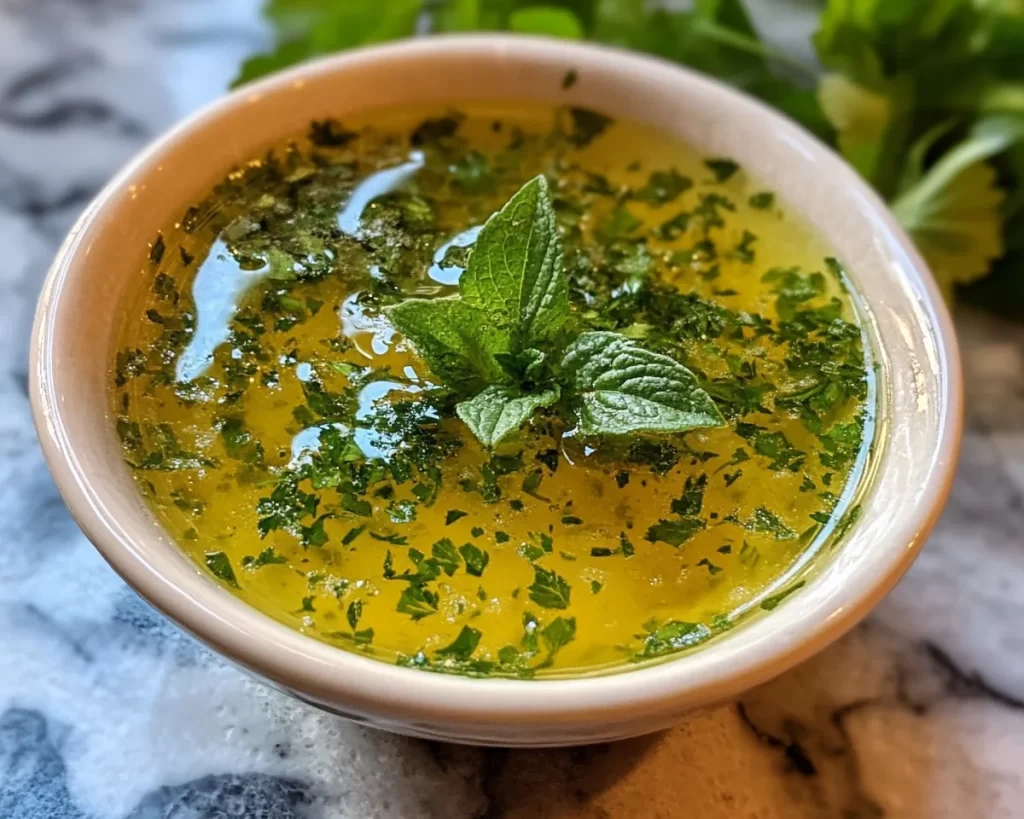
There’s something undeniably refreshing about a bright, zesty dressing that can elevate any salad or dish. If you’ve ever tasted a *lemon vinaigrette dressing with fresh herbs*, you know just how transformative it can be. This dressing not only enhances flavors but also provides a beautiful balance of acidity and richness that can make even the simplest of meals feel gourmet.
This recipe showcases the true essence of spring cuisine, bringing together the invigorating zest of lemon and the aromatic charm of fresh herbs. Imagine pouring a delightful mixture over your favorite greens or using it as a marinade for grilled vegetables or chicken. It’s easy to prepare, affordable, and so versatile that it can cater to a wide array of diets and preferences.
In this article, you’ll find everything you need to know about making this outstanding dressing from scratch. You’ll discover its origins, learn about the ingredients, and get step-by-step instructions to ensure your dressing turns out perfectly every time. You’ll also find variations to suit your taste and answers to frequently asked questions that are sure to enhance your culinary journey.
What Is Lemon Vinegarette Dressing with Fresh Herbs (Spring Flavor)?
Lemon vinaigrette dressing is a classic condiment that has earned its place in kitchens around the world. Its primary ingredients — *fresh lemon juice, olive oil, and herbs* — create a delightful and vibrant dressing that dances on the palate. While the exact origins of vinaigrette are debated, it is widely considered a French culinary innovation.
This dressing typically has a tangy, refreshing flavor, paired with a silky texture thanks to the olive oil. The fresh herbs add an aromatic dimension that enriches the overall experience. When you drizzle this dressing over your greens, the zesty notes of lemon create a mouthwatering zing that harmonizes beautifully with the earthiness of vegetables. Each bite becomes an exploration of flavors, highlighted by the *natural sweetness of spring vegetables*.
This recipe is perfect not only for salads but also serves as an excellent sauce for grilled meats or fish. The bright flavors cut through richer elements, providing a delicious balance that makes any dish feel lighter and fresher. The *vinaigrette serves as a magical potion, enhancing every ingredient it meets*.
Why You’ll Love This
One of the primary reasons to love this lemon vinaigrette dressing is its unparalleled freshness and flavor. Each ingredient works hand-in-hand to create a dazzling taste that complements salads, grilled meats, or even roasted vegetables. The dressing is also incredibly easy to make — you can whip it up in just a few minutes with minimal effort.
Moreover, lemon vinaigrette is a cost-effective choice as it relies on pantry staples and fresh herbs, making it accessible for everyone, whether you are a busy parent or a novice in the kitchen. You won’t need to break the bank to enjoy this delicious, homemade condiment.
Many people think making dressings from scratch is complicated or time-consuming, but this lemon vinaigrette will prove those misconceptions wrong. With just a whisk or a jar, you can create a masterpiece that rivals any store-bought alternative. Plus, the health benefits of using *fresh lemon juice and olive oil* cannot be overstated; with their antioxidant properties and rich flavors, they contribute positively to your overall well-being.
Ingredients You’ll Need
- 1/4 cup fresh lemon juice — The star ingredient that provides acidity and brightness.
- 1/2 cup extra-virgin olive oil — Adds a smooth richness and depth of flavor.
- 1 tablespoon Dijon mustard — Emulsifies the dressing and adds a slight tang.
- 1 garlic clove, minced — Infuses the vinaigrette with robust flavor.
- 1 tablespoon honey or agave syrup — Balances acidity with a touch of sweetness.
- Salt and pepper to taste — Enhances all flavors and seasons the dressing.
- 1/4 cup fresh herbs (such as parsley, basil, or chives) — Provides an aromatic, herbaceous note.
Each ingredient plays its own role in the dressing. The fresh lemon juice delivers tang and brightness, while the olive oil creates a luxurious mouthfeel. Dijon mustard helps with emulsification, ensuring that the oil and vinegar combine smoothly. The minced garlic adds a kick, which is balanced out by the honey or agave syrup to ensure no overwhelming tart flavor. Salt and pepper are crucial for seasoning, and the fresh herbs provide an intoxicating aroma that enlivens the dressing even further.
You can also make substitutions based on your preference or dietary needs. For instance, opt for maple syrup instead of honey for a vegan option. If you don’t have fresh herbs on hand, dried herbs can work; however, the flavor won’t be as vibrant.
How to Make
Making your lemon vinaigrette dressing is simple and straightforward. Just follow these easy steps:
- Gather your ingredients. Make sure you have everything ready on your counter. This includes your fresh lemon, olive oil, Dijon mustard, garlic, honey, salt, and freshly chopped herbs. Having everything at hand will streamline the process.
- Juice the lemons. Freshly squeezed lemon juice is essential for this recipe. Cut your lemons in half and use a juicer or a fork to extract the juice, ensuring that you capture every drop. You’ll need about 1/4 cup of this vibrant juice.
- Mince the garlic. Take a garlic clove and finely mince it. The more surface area you create, the stronger the garlic flavor will be in your dressing. Add this minced garlic to a mixing bowl along with the lemon juice.
- Add the Dijon mustard and honey. Incorporate the Dijon mustard and honey into the mixing bowl. Whisk these ingredients together until well blended. This step is crucial as it helps emulsify the dressing, creating a unified texture.
- Slowly drizzle in the olive oil. While continuing to whisk, start adding the olive oil gradually. This slow addition of oil helps the dressing emulsify properly, ensuring a silkier texture. Whisk until fully blended, which should take about 2-3 minutes.
- Season with salt and pepper. Taste the dressing and season it with salt and pepper as per your preference. Taste as you go to ensure the balance of flavors is right for you.
- Add fresh herbs. Finally, fold in your chopped fresh herbs. The colors and aromas will brighten the dressing instantly, giving it that inviting spring quality. You can adjust the amount of herbs based on your taste.
- Store or serve. The dressing can be served immediately, or you can store it in an airtight container in the refrigerator for up to a week. Make sure to give it a good shake before using it again, as separation may occur.
With these simple instructions, making your lemon vinaigrette dressing will become second nature. Don’t hesitate to experiment with the ingredient ratios until you find your perfect balance.
Variations & Substitutions
Herbed Lemon-Vinaigrette Variation: If you love the flavor of fresh herbs but want to experiment, consider using a combination of basil, thyme, and oregano. This variation adds different dimensions to the classic vinaigrette. The sweet notes of basil paired with the aromatic flavor of thyme create a perfect spring dressing, ideal for drizzling on grilled vegetables or seafood. When using dried herbs, remember that their flavors are more concentrated, so a lesser amount will do.
Spicy Lemon-Vinaigrette Variation: For those who enjoy a little heat, adding a pinch of red pepper flakes or a splash of hot sauce can elevate your dressing. This lively variation is fantastic for drenching tacos, grilled meats, or spicy salads. The heat balances the tangy and sweet flavors, resulting in a multidimensional experience that excites the palate.
Citrus Herb Vinaigrette Variation: Swap out the lemon for lime or orange juice to create a different citrus profile. Lime offers a more tropical zesty flavor, while orange adds subtle sweetness. This variation works beautifully in salads featuring avocado or black beans, and is perfect for summertime gatherings when you want a fresh kick. Always complement the citrus with the same herbs, but feel free to mix and match based on your preferences.
Vegan Option: To create a fully vegan-friendly version, simply substitute honey with agave syrup or maple syrup. This gives your dressing the sweet touch it needs without compromising your vegan lifestyle, ensuring that everyone can enjoy this delightful addition to their meals.
Common Mistakes to Avoid
One common mistake when making lemon vinaigrette is not achieving a proper emulsion. If the oil separates from the other ingredients, it can lead to a less appealing texture. To avoid this, make sure to whisk in the olive oil gradually while mixing vigorously. Another issue can arise from overpowering the dressing with too much garlic or lemon. Focus on balancing flavors by starting with smaller amounts and taste-testing as you go.
Additionally, using bottled lemon juice instead of fresh can detract from the quality of the vinaigrette. Bottled varieties often contain preservatives, which can alter the taste and freshness of your dressing. Always choose fresh lemons for the best results. Another critical warning is forgetting to season adequately. A lack of proper seasoning can leave your dressing tasting flat and uninspiring.
Storage, Freezing & Reheating Tips
This lemon vinaigrette dressing can be stored in an airtight container in the refrigerator for up to one week. It’s advisable to always give it a shake or whisk before using, as separation is natural over time. Make sure to label your container with the date you made the dressing to keep track of its freshness.
Freezing lemon vinaigrette is not recommended, as the oil can change texture upon thawing. However, you can prepare a batch and store it well in the fridge, making it readily available for several days.
Ensure safety by using clean utensils when scooping out the dressing. The less contact the dressing has with contaminants, the longer it will last. Always check the vinaigrette before use; if there’s a change in smell or appearance, it’s better to err on the side of caution and dispose of it.
Frequently Asked Questions
Can I use other oils instead of olive oil? Absolutely! While olive oil is a classic choice, you can experiment with other oils like avocado or grapeseed oil. Each oil will impart a different flavor, so choose one that complements your dish. Remember that the oil’s quality matters; opt for a good-quality oil for the best flavor.
How can I make my vinaigrette thicker? If you prefer a thicker vinaigrette, consider adding more mustard or incorporating a bit of mashed avocado. Both ingredients will help emulsify the dressing while giving it a richer texture. Simply blend these ingredients together before adding the oil for an even consistency.
Can I use this dressing on cooked dishes? Yes, this lemon vinaigrette can enhance the flavor of grilled vegetables or meats as a finishing touch. It can also be drizzled over warm dishes, but make sure to let the dish cool slightly to retain the freshness of the herbs and lemon.
How do I know if my dressing has gone bad? Always check for any changes in smell, color, or texture. If there’s an off smell, the dressing may have spoiled. Separation is normal; however, if it looks significantly different or clumpy, it’s best to discard it.
What dishes pair well with lemon vinaigrette? This dressing shines on garden salads, roasted vegetables, quinoa bowls, or grilled chicken. Its versatility allows it to complement various flavors, so feel free to experiment with your favorite seasonal ingredients.
Conclusion:
Incorporating lemon vinaigrette dressing with fresh herbs into your meals is a simple yet impactful way to enhance flavor and nutrition. Its refreshing taste and versatile nature make it the perfect addition to any salad, grilled meats, or even as a marinade. Armed with this recipe, you now have the tools to create your own kitchen masterpiece. So go ahead, whip it up, share it with loved ones, and savor the burst of spring flavors that it brings. Happy cooking!