Prep time: 15 minutes
Cook time: 20 minutes
Total time: 35 minutes
Servings: 4 servings
If you’re in search of a meal that satisfies cravings and is easy to prepare, you’ve found a gem. Imagine comforting bowls of rice, perfectly infused with the zesty brightness of lime, complemented by the earthy richness of miso, and the gentle spice of ginger. Miso Lime Ginger Fried Rice isn’t just another fried rice dish; it’s a delightful fusion that brings a new flavor experience into your kitchen. This recipe is particularly special because it gives you the opportunity to easily unleash an exciting combination of tastes while using what you may already have in your pantry.
In this recipe, you will learn not just how to prepare Miso Lime Ginger Fried Rice, but also the art of balancing flavors. Together, we’ll explore expert tips for achieving the best texture, how to incorporate healthy ingredients, and several delicious variations that can cater to different dietary needs or personal preferences. It’s a rewarding culinary endeavor that anyone can master!
What Is Miso Lime Ginger Fried Rice (Better Than Takeout)?
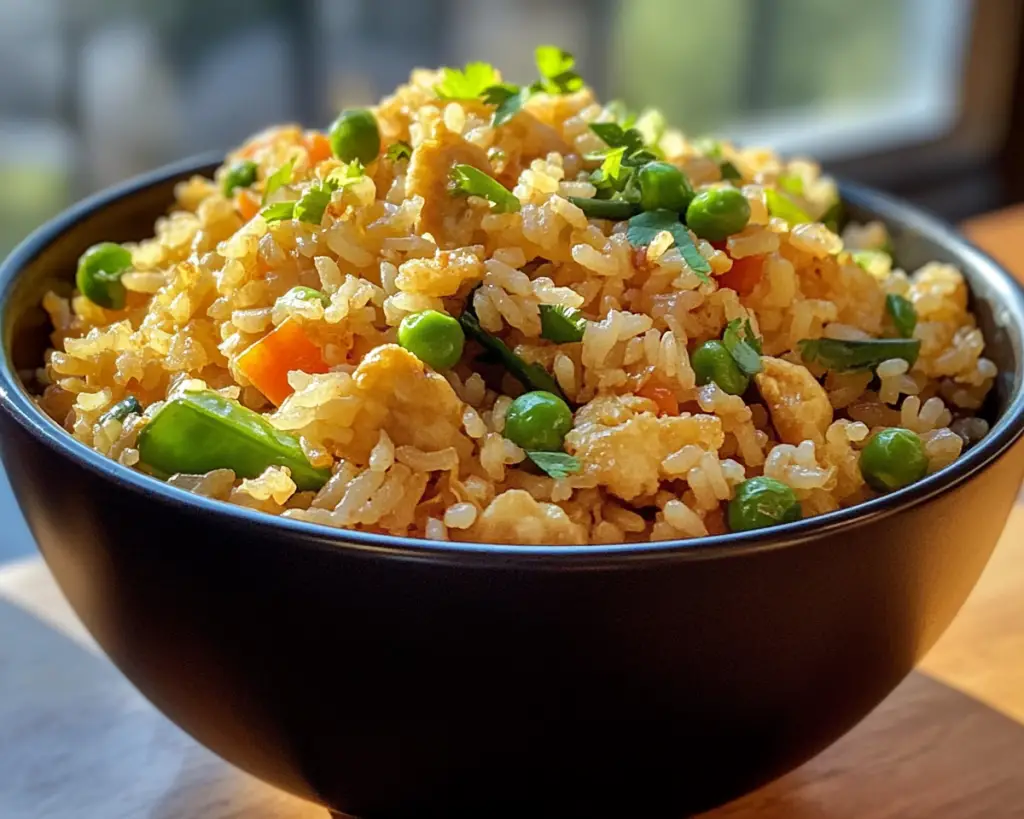
Miso Lime Ginger Fried Rice is a versatile dish that embodies a beautiful blend of Japan’s flavor profile with a homely, comforting dish that we all adore—fried rice. Originally derived from East Asian cuisine, fried rice has evolved into a universal staple that transcends cultures. What makes this specific version stand out is the use of miso, a fermented soybean paste, which adds a rich umami depth that elevates the dish beyond your typical takeout.
The texture is an essential aspect to note; the rice retains a slight chewiness that harmonizes well with crisp vegetables. As you take a bite, the aromatic notes of ginger and freshness from lime begin to dance on your palate, providing a bright and satisfying experience. This dish exemplifies how simple ingredients can come together to deliver a complex taste that showcases layers of flavor and delightfully plays with your senses.
In preparing Miso Lime Ginger Fried Rice, you’ll not only benefit from its tantalizing taste but also its adaptability. With the right mix of key ingredients, you can make it truly yours, whether you want it healthier, heartier, or vegetarian. This dish captures the essence of cozy home cooking while allowing for endless creativity. You’ll find that each component contributes significantly to the dish, making it a favorite for those tired of mundane meals.
Why You’ll Love This
Why should this recipe find its way into your meal rotation? First and foremost, it is an incredibly flavorful dish that strikes a perfect balance between savory and tangy. Every bite brings a wonderful medley of textures and tastes that will leave you wanting more. Furthermore, it allows busy parents to whip up a meal in less than an hour, using ingredients that are mostly usually on hand, which is a huge plus for anyone juggling a hectic lifestyle.
Miso Lime Ginger Fried Rice is also a budget-friendly option. Instead of spending your hard-earned money on takeout, you can recreate a dish that rivals restaurant-quality meals at a fraction of the price. Moreover, the versatility of the ingredients means you can easily switch them out based on what’s available in your fridge or what suits your taste preferences.
Moreover, it’s a health-conscious choice since you can pack it with vegetables, lean proteins, or even go entirely plant-based while still enjoying a filling meal. Say goodbye to the misconception that fried rice needs to be unhealthy. Instead, this dish can be made light and fresh while still holding onto substantive flavors. Serve it as a standalone dish or pair it with proteins or greens for a complete meal!
Ingredients You’ll Need
- Cooked rice: 4 cups (preferably day-old white or brown rice) – The base of our dish, day-old rice has a better texture and prevents clumping.
- Miso paste: 3 tablespoons – A fermented soybean paste that adds an irresistible umami flavor to the dish.
- Lime juice: 2 tablespoons – This adds a zesty punch that balances the richness of the miso.
- Fresh ginger: 2 teaspoons, grated – Offers a warming spice that elevates the dish.
- Carrots: 1 cup, diced – Brings sweetness, color, and crunch to your fried rice.
- Green peas: 1 cup (fresh or frozen) – Adds pop, both visually and texturally.
- Bell pepper: 1, diced – Introduces a sweet flavor profile and vibrant colors.
- Green onions: 3, chopped – Offers a fresh, oniony flavor that complements the miso well.
- Sesame oil: 2 tablespoons – A finishing oil that adds a nutty aroma and depth.
- Vegetable oil: 2 tablespoons – For frying; ensures the rice crispifies nicely.
- Optional protein: Tofu, chicken, shrimp, or eggs – Add your choice for a heartier meal.
In selecting ingredients, consider using organic options where possible, particularly for vegetables, to enhance your dish’s nutritional profile. If you have a dietary restriction or just wish to experiment, note that the miso paste can be replaced with tahini or sunflower seed butter for a unique flavor twist!
How to Make
- Prepare the rice: Start by ensuring your rice is cooked and cooled. Day-old rice is the best option because it has dried out slightly, providing a firmer texture that won’t turn mushy during cooking. If you’re using freshly cooked rice, spread it out on a baking sheet and let it cool for at least 30 minutes. This step is crucial for achieving that desired fried rice texture.
- Mix the sauce: In a small bowl, combine the miso paste, lime juice, and grated ginger. Mix until you have a smooth paste. Taste it at this stage; you should detect a savory depth from the miso paired with the brightness of the lime. Adjust the lime juice as needed to suit your personal preference. This mixture is key to imbibing the rice with flavor.
- Prep the vegetables: While your rice is cooling, chop up the carrots, bell pepper, and green onions. This would be a good time to set out any optional proteins you may want to incorporate and prepare them to add to the dish later. Ensuring everything is ready will make the cooking process smooth and efficient.
- Heat your pan: In a large skillet or wok, heat the vegetable oil over medium-high heat. Once hot, toss in your diced carrots and bell pepper. Stir-fry for about 2-3 minutes until they begin to soften but remain crisp. The enticing aromas will start to waft through your kitchen, signaling that your meal is on its way!
- Add the peas & rice: Next, stir in the green peas, followed by the day-old rice. Use your spatula or a wooden spoon to break apart any clumps gently. Continue to stir-fry for another 4-5 minutes, ensuring the rice is catching the heat evenly. The goal is for the rice to develop a slightly toasted flavor while absorbing the smells of the vegetables.
- Incorporate the sauce: Once the rice is heated through, pour the miso and lime mixture over the top. Stir well to evenly coat all the rice and vegetables, ensuring every grain absorbs that mouthwatering flavor. Cook for an additional 2-3 minutes. The color should change subtly as the rice takes on a golden hue.
- Finish with sesame oil: Turn off the heat and drizzle the sesame oil into the rice mixture, followed by the chopped green onions. Give everything a good toss to incorporate this flavorful finishing touch, enhancing both aroma and taste.
- Serve hot: After plating the fried rice, consider a fresh lime wedge or extra green onions for garnishing. You can serve this dish immediately or let it cool down for meal prepping. Relish the aroma and the explosion of flavors as you dig in!
Variations & Substitutions
Vegetable Medley Variation: This version is perfect for those looking to amp up the nutritional content of the dish. Consider adding broccoli, zucchini, or snap peas for a colorful and healthful mix. These vegetables not only provide a variety of textures but also elevate the dish in terms of vitamins and minerals, making it a fantastic choice for families aiming for balanced nutrition. Just remember that cooking times may vary by the type of vegetable you, so keep an eye out to avoid overcooking.
Protein-Packed Version: If you want to make this a more filling meal, you can add cooked shrimp, chicken, or tofu. For shrimp, briefly stir-fry before adding the rice. For chicken, pre-cook and chop into small pieces before incorporation. Tofu works beautifully as well; just sauté it until golden before adding in. This not only makes the dish heartier but also provides excellent protein levels, especially important for those following vegetarian or vegan diets.
Spicy Kick Variation: For those who crave heat, the addition of Sriracha or chili flakes can provide just the right amount of spice. Simply drizzle some over the fried rice when serving or mix it into the sauce prior to adding it to the rice. This adaptation will give the dish a different layer of intensity that can elevate your taste experience, perfect for spice lovers looking to add a personal flair.
Low-Carb Substitution: For a low-carb alternative, consider using cauliflower rice instead of traditional rice. Cauliflower rice offers a similar texture while significantly lowering the carbohydrate count. Just be mindful that cauliflower cooks faster, so you may want to adjust frying times accordingly. This variation is ideal for people following ketogenic or low-carb diets while still allowing them to enjoy a comforting and flavorful meal.
Common Mistakes to Avoid
One of the most crucial mistakes to avoid when making fried rice is using freshly cooked rice. As mentioned earlier, day-old rice works best due to its lower moisture content, which prevents clumping and mushiness. If that’s not an option, spreading freshly cooked rice onto a baking tray and letting it cool will help achieve a similar effect.
Another mistake is overcrowding the pan. When you add too much rice or vegetables at once, it leads to steaming rather than frying. Always ensure there’s enough space for proper heat circulation, which allows the rice to crisp up beautifully. If you notice the rice is steaming instead of sizzling, consider cooking in batches.
Lastly, be cautious with the amount of soy sauce or miso paste. Too much can overwhelm the dish with saltiness. Always taste as you go, allowing you to find that perfect balance of flavors. Remember, the miso paste is a key ingredient, and its rich flavor should shine without overpowering the rest of the elements in the dish.
Storage, Freezing & Reheating Tips
Storing Miso Lime Ginger Fried Rice is a straightforward process. To maintain the best quality, make sure to cool the rice completely before placing it in an airtight container. It can be stored in the refrigerator for up to 3-4 days. When reheating, avoid doing so in the microwave if possible, as this can lead to uneven heating. Instead, reheat your rice in a skillet over medium heat, adding a splash of water to help restore moisture, and keep it from drying out.
If you’re considering making a larger batch to freeze, ensure it is entirely cooled before portioning it into freezer-safe containers. Miso Lime Ginger Fried Rice can be frozen for up to 2-3 months. When you’re ready to enjoy it, allow it to thaw in the refrigerator overnight and follow the reheating method outlined above.
For optimal food safety, always store and reheat leftovers promptly, keeping in mind the general guidelines for storing cooked rice and vegetables.
Frequently Asked Questions
Can I make this dish vegan? Absolutely! This recipe is easily adaptable to be entirely vegan by simply omitting any poultry or seafood and replacing any eggs you might consider using. Miso paste is typically vegan, but it’s a good idea to check the brand you choose to ensure there are no animal products included.
What if I don’t have miso paste? If miso paste isn’t available, you can try substituting it with tahini, sunflower seed butter, or even a mix of soy sauce and a little sesame oil to provide similar depth. You will, however, be altering the flavor slightly, so it’s essential to taste and adjust as you go.
How do I know when the fried rice is finished cooking? Look for a delightful golden color in the rice, a sign that it’s been sautéed well. The mixture should also smell aromatic and savory, and the vegetables should be tender but not overcooked, retaining a pleasant crunch.
Is this dish gluten-free? Miso paste typically contains gluten, especially if it’s made with barley. For a gluten-free version, look for gluten-free soy sauce or tamari as alternatives and check for gluten-free miso options, which are available at many health food stores.
Can I add more vegetables to this recipe? Yes, adding more vegetables is a fantastic way to enhance nutrition and flavor. Just be mindful of the cooking times for different veggies, as some might require longer or shorter sautéing. Options like zucchini, snow peas, or bell peppers can make a delightful addition to your fried rice concoction.
Conclusion:
This Miso Lime Ginger Fried Rice recipe stands out not only for its taste but also for its ease of preparation and adaptability, making it a must-try for anyone looking to spice up their meal repertoire. With vibrant flavors and wholesome ingredients, you’re encouraged to customize it further to fit your family’s tastes. Whether you’re preparing a quick weeknight dinner, meal prepping for busy days ahead, or treating yourself to a delicious home-cooked meal, this recipe promises satisfaction every time. Grab your ingredients and start cooking; you won’t regret it!