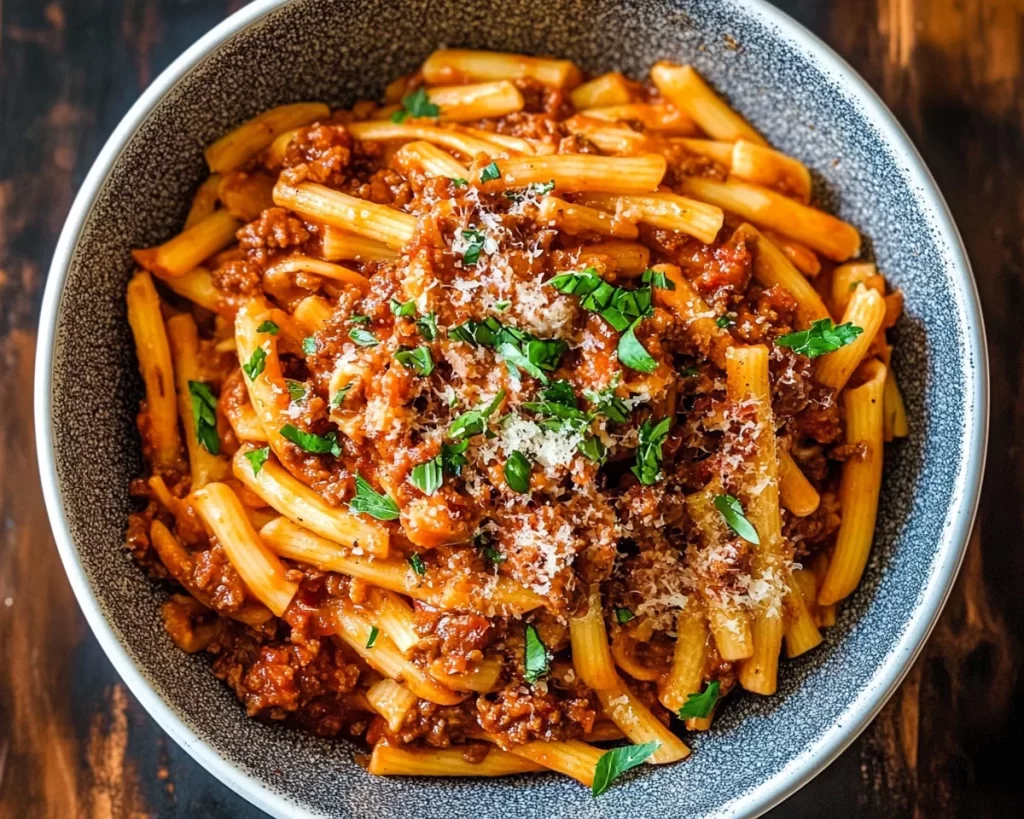
Prep time: 15 minutes
Cook time: 2 hours
Total time: 2 hours 15 minutes
Servings: 6
Beef Ragu Pasta is not just a dish; it’s a warm hug on a plate. Picture a cool evening where the aromatic scent of slow-cooked beef fills your kitchen, each bite revealing layers of deep flavors. This recipe for Mouthwatering Beef Ragu Pasta will transport you to an Italian trattoria, where rustic ingredients transform into a rich and savory masterpiece. The beauty of this dish lies in its simplicity and ability to warm your heart and soul.
You’re going to learn how to create a *sensational* beef ragu that is easy enough for beginner cooks and satisfying enough for seasoned gourmets. This dish combines easy preparation with *chef-level* flavors, making it perfect for weeknight dinners or special occasions. Let’s dive deep into the world of beef ragu pasta, bringing flavors to life that will make your family ask for seconds.
What Is Mouthwatering Beef Ragu Pasta?
Mouthwatering Beef Ragu Pasta is a culinary delight originating from Italy, specifically the Northern regions such as Emilia-Romagna. This dish is a slow-cooked meat sauce typically made from beef, tomatoes, vegetables, and aromatic herbs. The result is a sauce that envelops the pasta like a warm blanket, full of *tender* chunks of beef that are bursting with flavors.
The key to achieving the perfect *ragu* lies in the slow cooking process, which allows the beef to become deliciously tender while the flavors meld together. As the beef breaks down, it releases its juices, creating a rich, hearty sauce accented with spices like thyme and bay leaves. The art of crafting this dish is in its harmonious balance between the meatiness of the beef and the bright acidity of the tomatoes, all paired beautifully with your favorite pasta.
Whether served over tagliatelle, pappardelle, or even spaghetti, beef ragu pasta is a dish designed to satisfy your cravings and leave you feeling comforted and full. Making it from scratch elevates it beyond the usual pasta meal, allowing you to explore rich flavors and culinary traditions that’ll linger in your memory long after the last bite.
Why You’ll Love This
You will love Mouthwatering Beef Ragu Pasta for many reasons. Firstly, it’s incredibly *delicious*, with deep, rich flavors that develop over the slow cooking time. The combination of high-quality beef, fresh tomatoes, and herbs creates a sauce that is both comforting and satisfying. Whether you’re feeding a hungry family or hosting a dinner party, this dish never fails to impress.
Secondly, the ease of preparation will win over busy parents and novice cooks alike. While it does take time to cook, the actual hands-on work is quite minimal. You can easily start this dish on a weekend afternoon and let it simmer on the stove while you catch up on household chores or simply relax. The initial effort pays off handsomely as the beautiful aroma wafts through your home.
Cost is another winner here. By using inexpensive cuts of beef, you can create a meal that seems extravagant but is budget-friendly. This dish is adaptable, allowing for variations based on dietary needs, which means you can customize it to suit your palates or preferences without losing its soul.
Many might think that making a *ragu* is complicated, but by following this recipe step-by-step, you’ll discover it’s a lot easier than it seems. You’ll be left with a dish that feels nurtured, serving as the perfect comfort food for any occasion.
Ingredients You’ll Need
- Beef chuck roast: This cut is ideal as it becomes tender during the slow cooking process. You can substitute it with brisket or even lean ground beef if preferred.
- Olive oil: For sautéing the vegetables and browning the meat. It adds a nice flavor, but you can also use vegetable oil if necessary.
- Onion: A base flavor in the sauce. Yellow onions work best, but you can also substitute with shallots for a sweeter taste.
- Carrots: They add sweetness and balance the acidity of the tomatoes. You can replace them with bell peppers if you prefer.
- Celery: Provides excellent flavor in the *mirepoix*, which is essential for most sauces.
- Garlic: A must-have for a bold flavor. You can also use garlic powder if you’re in a pinch.
- Canned tomatoes: Use San Marzano tomatoes for the best flavor. Fire-roasted tomatoes can add a unique twist.
- Beef broth: For moisture and as a base for the sauce. Vegetable broth can work as a substitute if needed.
- Red wine: Adds depth. If you do not want to cook with wine, use extra beef broth or grape juice.
- Bay leaves: Provide aroma and earthy undertones. They’re crucial in any slow-cooked dish.
- Fresh herbs: Such as thyme or oregano, for a fresher taste. Dried herbs work if that’s all you have.
- Salt and pepper: Essential for flavoring the dish to your liking.
By understanding the role of each ingredient, you can make thoughtful substitutions based on what you have on hand, ensuring your beef ragu pasta is customized just for you.
How to Make
1. Begin by preparing your ingredients. Dice the onion, carrots, and celery into small, uniform pieces. This combination, known as *mirepoix*, forms the aromatic foundation for your ragu. Mince the garlic and set everything aside, ready to be transformed into a luscious sauce.
2. In a large pot or Dutch oven, heat a generous amount of olive oil over medium-high heat. Once the oil is hot, add in your diced vegetables. Cook them for 5-7 minutes or until they soften and begin to caramelize, stirring occasionally. This will develop a rich flavor base that elevates the entire dish.
3. As the vegetables are cooking, season your beef chuck roast generously with salt and pepper. Once the vegetables are ready, push them to the sides of the pot and add the beef to the center. Sear the beef for 4-5 minutes on each side until it develops a nice brown crust. This step adds depth of flavor that will make your *ragu* unforgettable.
4. After browning the meat, add the minced garlic and cook for another minute until fragrant. Pour in the red wine, scraping any brown bits off the bottom of the pot. This deglazing process will enhance the sauce’s flavor profile. Allow the wine to simmer for a few minutes until it reduces slightly, concentrating the flavor.
5. Now it’s time to add your canned tomatoes and beef broth. Stir everything together, nestling the beef back into the pot. Add the bay leaves and fresh herbs. Bring the mixture to a gentle boil, then reduce the heat to low, covering the pot with a lid. Allow it to simmer for at least 1.5 hours, checking occasionally and stirring gently.
6. As the beef cooks, it will begin to break down. After the cooking time, use two forks to shred the meat into bite-sized pieces, mixing it back into the sauce. Let it simmer uncovered for an additional 30 minutes, allowing the sauce to thicken and the flavors to intensify.
7. Cook your pasta according to package directions during the final simmer. When it’s al dente, drain the pasta and toss it directly in the pot with the ragu, ensuring each strand is generously coated with that *sublime* sauce. Serve immediately, garnished with freshly grated Parmesan cheese or fresh basil for an extra touch.
Variations & Substitutions
Pasta Choice Variation: You can cater this dish to your tastes by choosing different pasta types. While traditional tagliatelle is excellent, rigatoni or even gluten-free pasta works well. Each shape carries the ragu differently; the ridges of rigatoni really trap the sauce, providing a delightful bite. For a lower-carb version, try spiralized zucchini or spaghetti squash.
Vegetarian Ragu Variation: If you’re looking for a vegetarian alternative, consider using mushrooms as the base. Cremini or portobello mushrooms provide a *meaty* texture and a deep flavor profile. You can also incorporate lentils or chickpeas as protein replacements. Simply sauté the vegetables, adding mushrooms in place of beef, and follow the same cooking process, adding vegetable broth instead.
Spicy Ragu Variation: For those who enjoy a bit of heat, consider adding chopped red pepper flakes or fresh chili peppers to the pot when you sauté the onion and garlic. The *spicy* kick will add an exciting twist to the traditionally mild ragu. Pair it with a robust red wine to balance the heat for a delectable meal.
Slow Cooker Variation: If you prefer a hands-off approach, you can prepare this dish in a slow cooker. Follow the initial searing instructions, then transfer everything to your slow cooker and cook on low for 6-8 hours. The result will be just as rich and flavorful, with even less work involved.
Common Mistakes to Avoid
One common mistake to avoid is rushing the cooking process. Beef ragu requires time for the flavors to develop and for the meat to tenderize. If you try to speed things up by cooking on high heat, you may end up with tough, chewy meat. Always adhere to the recommended cooking times and trust the slow simmer to do the work.
Another mistake is neglecting to season during the cooking process. Adding all the salt and pepper at once may seem easier, but it often leads to uneven seasoning. Instead, taste the sauce as it cooks and adjust accordingly. Remember, you can always add more seasoning, but you can’t take it away once it’s there.
Lastly, don’t forget to deglaze the pot after browning your meat. Those little brown bits stuck at the bottom are flavor gold. Scraping them up with your red wine not only enhances the sauce but contributes to a more complex and satisfying flavor.
Storage, Freezing & Reheating Tips
To store leftovers, allow your beef ragu to cool completely before transferring it to airtight containers. It can be refrigerated for up to 4 days. When reheating, do so slowly on the stove over low heat or in the microwave, stirring occasionally. If it feels a bit dry, consider adding a splash of beef broth or water.
For longer-term storage, this dish freezes exceptionally well. Portion it into freezer-safe containers, ensuring there is enough room for expansion, and freeze for up to 3 months. When you’re ready to enjoy it again, thaw it overnight in the fridge and reheat as mentioned above.
Always practice food safety. If your ragu has been left out at room temperature for more than two hours, discard it. Safety should be your top priority, especially with meat dishes.
Frequently Asked Questions
Can I use ground beef instead of chuck roast? Yes, you certainly can! While ground beef will give you a different texture, it’s a convenient option, especially for a quick meal. Aim for a blend that has some fat content for a more flavorful sauce.
What can I serve with beef ragu pasta? This dish pairs beautifully with a simple green salad topped with a light vinaigrette or crusty garlic bread. Both sides help to balance the richness of the ragu while offering contrasting textures.
Is this dish kid-friendly? Absolutely! The mild flavors of beef ragu pasta are delicious for both children and adults alike. If your kids are picky, consider omitting the herbs, and serve the ragu simply over pasta with cheese for a comforting meal they’ll love.
Can I make this dish ahead of time? Yes, preparing it a day in advance can actually enhance the flavors, as the dish benefits from resting. Refrigerate it overnight and gently reheat before serving.
What type of wine should I use? For beef ragu, a fuller-bodied red wine such as Cabernet Sauvignon or Chianti works fantastically. However, you don’t need to splurge on a high-end bottle; a good mid-range wine will work just fine.
Conclusion:
Mouthwatering Beef Ragu Pasta is a dish that combines complex flavors, ease of preparation, and comforting warmth. Its versatility allows it to shine in any setting, whether it’s a family dinner or a festive gathering. Don’t hesitate to experiment with the variations or personalize it to suit your preferences. Easy to make, delightful to eat, and full of love, this beef ragu will surely become a cherished recipe in your culinary repertoire. Try it and let each forkful transport you to the comforting embrace of home.