Prep time: 15 minutes
Cook time: 10 minutes
Total time: 25 minutes
Servings: 4
There’s something simply irresistible about the aroma of freshly pan-fried fish wafting through your kitchen. You might find yourself transported back to cherished family dinners or sunny afternoons by the beach, savoring every bite. Pan-Fried Fish with Lemon is not just any dish; it embodies **simplicity** and **taste** with every perfectly golden piece. This recipe is easy enough for the busiest parent yet exquisite enough to impress dinner guests. With just a handful of ingredients and some simple culinary techniques, you will learn how to create a dish that is not only delightful but also *healthy* and *versatile*.
As you embark on this culinary journey, you’ll discover why pan-fried fish is a go-to meal in many households. From the crispy exterior to the flaky interior, this dish celebrates the fish’s natural flavors enhanced by a squeeze of **fresh lemon juice**, creating a harmony of taste that tantalizes your palate. Along the way, I’ll share personal tips, variations, and even some common mistakes to avoid, ensuring that your cooking experience is nothing short of joyful.
What Is Pan-Fried Fish with Lemon?
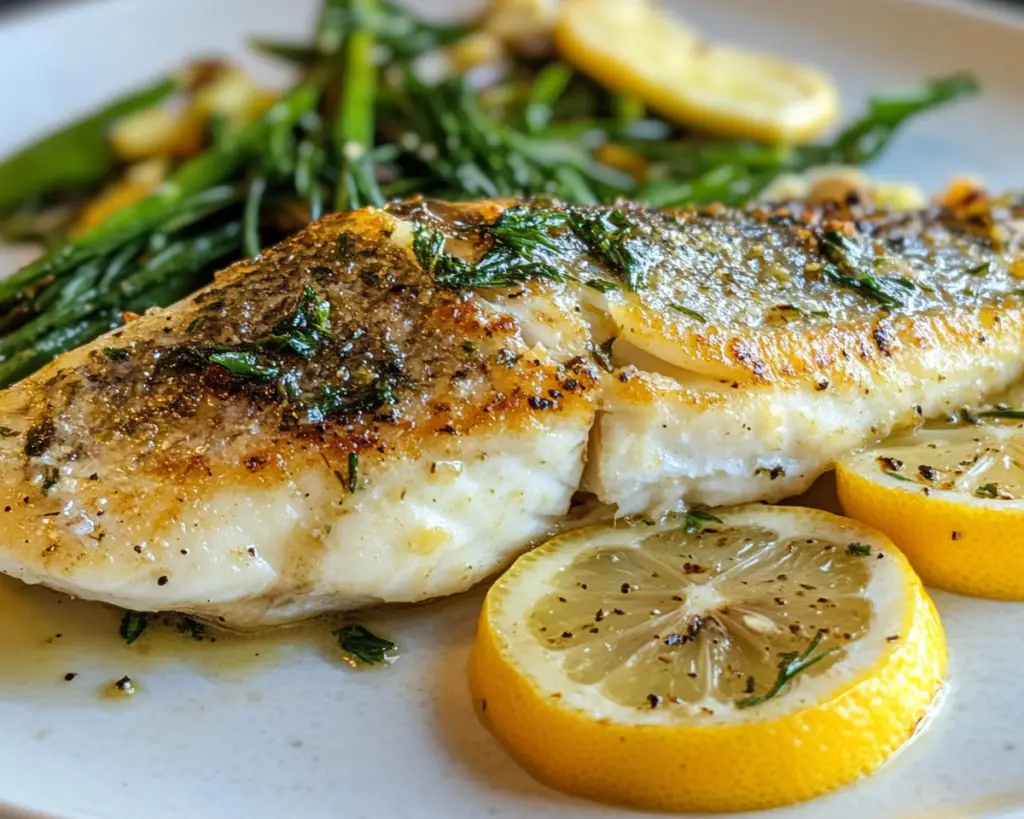
Pan-Fried Fish with Lemon is a classic recipe that derives from various culinary traditions around the world, each contributing its flair. At its core, this dish involves slicing your favorite **fish**, coating it lightly, and cooking it in a sauté pan until golden brown. The exterior becomes crisp while the inside remains tender and moist, creating a delightful contrast in textures.
Imagine the first bite; the **crispy crust shatters** as you sink your teeth into the flaky flesh, enhanced by a *squeeze of lemon*. This recipe beautifully showcases the delicate flavors of the fish itself, enhanced with **herbs** like parsley, and complemented by that zesty lemon kick. Whether you’re using **cod**, **tilapia**, or **trout**, each variety brings its unique character to the dish. The simplicity of the preparation means that even **beginners** in the kitchen will feel confident and satisfied with their finished meal.
Additionally, pan-fried fish can be a canvas for many flavors, allowing you to freely explore and innovate. As you delve into this recipe, you may even find your own spin, making it a dish that grows alongside your cooking skills.
Why You’ll Love This
There are countless reasons to adore Pan-Fried Fish with Lemon. First and foremost, it’s a dish that strikes the perfect balance between *deliciousness* and *healthiness*. Fish is known for being a rich source of **protein** and **omega-3 fatty acids**, essential for heart health and overall well-being. As you embrace this recipe, you’re fueling your body with nourishment while indulging in satisfying flavors.
The ease of preparation is another compelling reason to add this dish to your weekly meals. With minimal ingredients and straightforward techniques, you’ll find yourself whipping it up even on those busier weekdays. It’s the kind of recipe that doesn’t demand hours in the kitchen, allowing you to spend more time with family and loved ones.
Moreover, pan-fried fish serves beautifully, whether as a main dish accompanied by **steamed vegetables** or as a filling for **tacos**. The versatility it offers means you can adjust the sides and sauces to fit your dietary needs or guest preferences. Finally, this dish is budget-friendly. Fish can be an affordable protein source, especially when bought **in-season** or in bulk. This means you can enjoy a **restaurant-quality meal** right at home without putting a strain on your budget.
Ingredients You’ll Need
- Fish fillets: About 1.5 pounds of your choice (cod, tilapia, or trout). Fresh fillets will provide the best flavor and texture.
- Flour: 1 cup for dredging; provides a crispy coating. You can also use whole wheat flour for a healthier alternative.
- Seasonings: Salt and pepper to taste, alongside optional garlic powder, paprika, or your favorite herbs for added flavor.
- Lemon: The juice of one large lemon, plus extra wedges for serving. The acidity brightens the dish.
- Butter: 4 tablespoons for cooking; this enriches the flavor and contributes to browning.
- Olive oil: 2 tablespoons to prevent butter from burning; it adds a distinct taste.
- Fresh parsley: Chopped, for garnish; adds color and a fresh touch.
When shopping for the main ingredient, try to find **locally sourced fish** if possible, supporting local fisheries and ensuring freshness. If you can’t find fresh fish, frozen varieties work as well—just remember to thaw them out completely before cooking. Also, using **organic** or **local** produce for your lemons and parsley can make a **significant difference** in flavor.
How to Make
- Prepare your workspace: Start by laying out all your ingredients. This will make the cooking process smoother. Rinse your fish fillets under cold water and pat them dry with paper towels. Removing excess moisture ensures a crispier exterior while cooking.
- Season the flour: In a shallow dish, combine the flour, salt, pepper, and any additional seasonings you desire. Mixing them together ensures the fish is evenly coated. A common *mistake* is under-seasoning the flour, which can lead to bland-tasting fish.
- Dredge the fillets: Take each fish fillet and coat it lightly in the seasoned flour, shaking off any excess. It’s important not to over-coat, as this can create a heavy crust that detracts from the fish’s flavor.
- Heat your pan: In a large, non-stick skillet, combine the butter and olive oil over medium heat. Allow the butter to melt and begin to bubble slightly without burning. This combination of fats helps achieve a lovely golden color.
- Cook the fish: Once the oil is hot, add the coated fish fillets. Avoid overcrowding the pan; cook in batches if necessary. Fry each side for about 3-4 minutes, or until golden brown. Ensure not to flip the fish too early; allow a nice crust to form.
- Finish with lemon: When the fish is golden brown and cooked through, remove each fillet from the pan and place it on a paper towel to absorb any excess oil. Squeeze fresh lemon juice over the warm fish and sprinkle with chopped parsley to serve. The lemon juice will elevate the flavors beautifully.
This recipe enhances the texture and taste of the fish, making it a delightful centerpiece for any meal. Remember while cooking to maintain a gentle heat; too high can cause the outside to burn before the inside is fully cooked.
Variations & Substitutions
Gluten-Free Version: If you or your guests are gluten-sensitive, you can substitute regular flour with a gluten-free flour blend or **almond flour**. Almond flour gives a slightly nuttier flavor and crispy texture. Simply follow the same dredging process, ensuring no cross-contact with gluten-containing ingredients. This variation enables those with dietary restrictions to enjoy the dish without sacrificing any flavor.
Herb-Infused Variations: Try infusing the olive oil or butter with **fresh herbs** before cooking the fish. Adding herbs like **thyme**, **rosemary**, or **dill** can impart lovely flavors to the dish. Just allow the herbs to steep in the hot oil/butter mixture for a few moments before adding the fish. This little addition brings a unique twist, perfect if you want a change from traditional lemon flavor.
Spicy Pan-Fried Fish: For those who appreciate a bit of heat, sprinkle some **cayenne pepper** or **red pepper flakes** into your seasoned flour. This adjustment can provide an exciting contrast to the lemon’s acidity. Pair this variation with a cooling **yogurt sauce** made with Greek yogurt, lemon juice, and crushed garlic for a delightful combination that excites the taste buds.
Crispy Panko-Crusted Fish: Instead of flour, use **panko breadcrumbs** for a vastly different texture. The panko will create a delightful crunch, especially when fried, making it a perfect choice for children or those who love their food extra crispy. Season the panko in the same way you would flour and fry according to the original instructions. This variation is also perfect when serving it in **fish tacos** for a fun twist on a classic.
These variations not only keep the recipe fresh but also provide an opportunity for creativity. Adapt them according to your taste and preferences; cooking should always be a personal expression.
Common Mistakes to Avoid
Creating a dish that truly shines can come with its challenges. One common mistake is **overcrowding the pan**. This leads to steaming rather than frying, which means you won’t achieve that perfectly crispy exterior. Always give your fish space to cook evenly.
Another pitfall is **not properly seasoning the flour**. A bland coat will likely result in equally bland fish, which defeats the purpose of this dish’s simplicity and vibrancy. Don’t be afraid to sprinkle in those extra herbs and spices; they make all the difference.
Additionally, **cooking at too high a temperature** can lead to burnt fish on the outside while the inside remains undercooked. Always let the butter foam slightly before adding the fillets. If you see that smoke starts rising, you need to lower the heat.
Finally, don’t forget to **let the fish rest** for a minute or two after cooking. This allows juices to redistribute within the fillets, providing a more succulent bite.
Storage, Freezing & Reheating Tips
When it comes to leftovers, proper storage will extend the life of your Pan-Fried Fish with Lemon. Allow the fish to cool completely before placing it in an airtight container. Refrigerate for up to 2 days. Reheating can be tricky; the best way to maintain that crispy texture is to place the fillets briefly in a hot skillet for just a couple of minutes on each side, warming through.
If you want to store it for a longer duration, freezing is an option. Wrap the cool, cooked fish tightly in plastic wrap and place it into a freezer-safe bag. This method helps prevent freezer burn and maintains quality. Thaw overnight in the refrigerator before reheating.
Always remember the importance of food safety. Never leave fish at room temperature for more than two hours, and always ensure it’s cooked to an appropriate internal temperature (145°F) before enjoying.
Frequently Asked Questions
Can I use frozen fish for this recipe?
Absolutely! Just make sure to thaw it completely and pat it dry before cooking. Frozen fish can be just as flavorful when prepared correctly. Keep in mind that you may need to adjust cooking times slightly depending on the thickness of the fillets.
What side dishes pair well with pan-fried fish?
Pan-Fried Fish with Lemon pairs wonderfully with a range of sides including **steamed vegetables**, **mashed potatoes**, or a **fresh salad**. You could also serve it with brown rice or quinoa for a healthy, balanced meal.
Can I use a different type of fish?
Definitely! While cod, tilapia, and trout are popular choices, other varieties such as salmon, snapper, or halibut can work beautifully with this recipe. Just adjust the cooking time according to the thickness of the fillet.
How do I know when the fish is cooked through?
You can check the fish for doneness by inserting a fork into the thickest part of the fillet. If it flakes easily and is opaque throughout, it’s done. Alternatively, an instant-read thermometer should read 145°F.
Can this dish be made ahead of time?
While pan-fried fish is best enjoyed immediately, you can prepare the fish and coat it in flour a few hours beforehand. When you’re ready to eat, just cook it fresh. For any leftovers, follow the storage tips shared above.
Conclusion:
Pan-Fried Fish with Lemon is more than just a meal; it’s an enchanting blend of flavors and textures that elevates a simple evening into something special. You’ve now learned how to prepare this delightful dish and the joy of customization allows you to make every experience unique. I encourage you to dive into this recipe, share it with your family, and even let your creativity shine through. Whether you’re cooking for yourself or hosting friends, this dish is bound to impress and create lasting memories at your dining table. Happy cooking!