### Prep Time
20 minutes
### Cook Time
6 hours
### Total Time
6 hours 20 minutes
### Servings
8
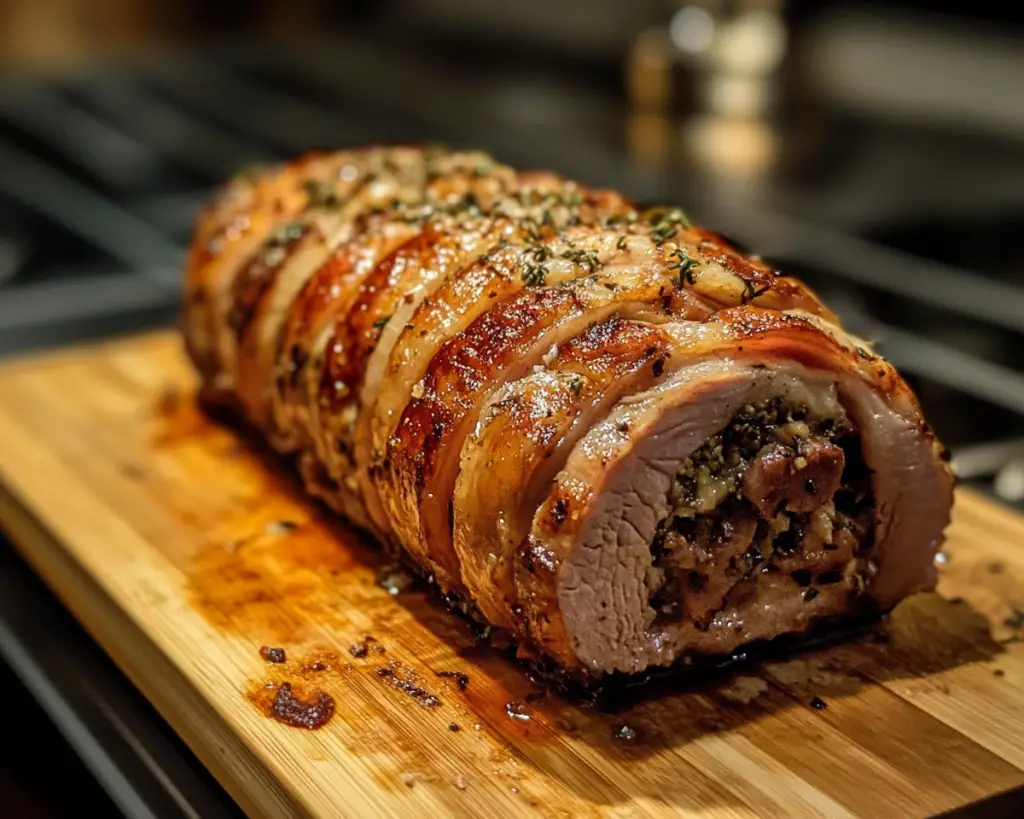
Porchetta is a celebration of flavor and texture — an Italian dish that embodies both rustic charm and gourmet sophistication. Imagine a succulent, herb-laden pork roast, slow-cooked to absolute perfection. When you cut into the crispy exterior, you unveil juicy, tender meat infused with an irresistible medley of spices. This dish isn’t just a meal; it’s an experience that transports you to the bustling streets of Italy where the aroma of roasted pork fills the air.
What makes porchetta so special is its rich history and versatility. Traditionally, it is made from whole pigs stuffed with various herbs and spices, rolled, and then roasted until the skin is crisp and crackling. While that may seem daunting for many home cooks, we’ll simplify the process. In this post, you’ll learn how to create a mouthwatering porchetta that’s perfect for any occasion—be it a family gathering, a hearty Sunday dinner, or even an impressive dinner party.
In this article, I’ll guide you through every step, share tips and variations, and answer common questions, so you can feel confident in creating this Italian masterpiece right in your own kitchen.
What Is Porchetta?
Porchetta is a traditional Italian dish that consists of a whole pig, deboned and seasoned with a variety of herbs and spices before being rolled and roasted. This dish originates from Central Italy, particularly in the regions of Umbria and Lazio, where it is often served as a street food delicacy and special occasion feast. The process of preparing porchetta requires skill and patience, making it a hallmark of Italian culinary tradition.
The most distinguishing feature of porchetta is its layering of flavors and textures. It is typically seasoned with **rosemary**, **fennel**, **garlic**, and **pepper**, which, when combined with the rich flavor of the pork, creates an exquisite taste profile. The slow roasting process leads to a delectably crispy, crackling skin contrasted by a juicy and tender interior, ensuring a complex interplay of flavors in every bite.
Porchetta can be enjoyed in various ways: served as a star dish at holiday celebrations, sliced into sandwiches, or as a centerpiece at summer barbecues. Whether you enjoy it as part of a grand feast or as a simple sandwich, porchetta’s flavorful character makes it a must-try dish that embodies the heart of Italian cooking.
Why You’ll Love This Porchetta
There are countless reasons to fall in love with porchetta. For starters, its **flavor** is simply unmatched. The combination of fresh herbs and garlic permeates the pork, creating a rich and savory experience that tantalizes the taste buds. The crispy skin adds an enjoyable crunch, making each bite a delightful contrast in textures.
Moreover, porchetta is **incredibly versatile**; it can be served hot right out of the oven for a comforting dinner or sliced cold for sandwiches the next day. You can also serve it with a variety of sides such as roasted vegetables, mashed potatoes, or a crisp salad, allowing you to customize the meal to your liking.
In terms of **ease**, while the recipe requires a long cooking time, much of it is hands-off, allowing you to tend to other tasks or relax while your porchetta slow cooks to perfection. Timing is everything; with proper planning, you can enjoy a stress-free cooking experience.
Finally, this dish is budget-friendly, especially if you purchase a whole pork belly or shoulder, which often costs less per pound than more premium cuts of meat. With porchetta, you not only impress family and friends but also keep costs manageable, making it a go-to option for large gatherings.
Expect minor misconceptions about its difficulty, but trust me, with the right guidance, you can master the art of porchetta.
Ingredients You’ll Need
Here’s a rundown of what you’ll need to create the perfect porchetta along with explanations of each ingredient’s role in the dish:
– **Pork Belly (or Pork Loin)**: The star ingredient. Choosing a cut with both meat and fat will ensure the roast remains juicy and flavorful. Look for a piece with skin on for that coveted crackling.
– **Fennel Seeds**: Provides a slightly sweet, anise-like flavor that is characteristic of porchetta. Fennel seeds can easily be substituted with ground fennel or omitted if you’re not a fan of its distinct taste.
– **Garlic**: Freshly minced or whole garlic cloves add depth to the flavor. A good rule of thumb is to use at least 6-8 cloves, but feel free to adjust based on your preference.
– **Fresh Rosemary**: This herb complements the pork beautifully, lending its pine-like aroma and flavor. If you don’t have fresh rosemary, dried rosemary can be used, but the flavor will be less vibrant.
– **Salt and Pepper**: Essential for seasoning the meat to enhance its natural flavors. Use kosher salt for brining and sea salt for finishing touches if desired.
– **Olive Oil**: Used in the rub to help the spices adhere and to enhance the overall flavor. High-quality extra-virgin olive oil works best, but you can substitute it with canola oil if you prefer.
– **Lemon Zest**: Brightens the overall flavor of the porchetta with its citrus notes. It cuts through the richness of the pork, providing balance.
– **Red Pepper Flakes**: For those who enjoy some heat; this is optional but adds a nice kick to the dish.
Prepare to have an aromatic explosion in your kitchen as these ingredients come together to create magic!
How to Make Porchetta
Making porchetta may sound intimidating at first, but let me assure you it’s a straightforward process! Follow these step-by-step instructions to create your masterpiece:
1. **Prepare the Pork Belly**: Start by laying your pork belly skin-side down on a clean cutting board. If you’re using pork loin, place it fat-side up. Trim any excess fat if needed but leave a little for moisture. The skin is essential for achieving that crunchy skin, so do not discard it! Score the skin in a crosshatch pattern using a sharp knife. This helps render the fat and creates crispy pieces when cooking.
2. **Make the Spice Mixture**: In a bowl, combine 2 tablespoons of fennel seeds, 6-8 minced garlic cloves, 2 tablespoons of fresh chopped rosemary, 1 tablespoon of red pepper flakes, salt, and pepper to taste. For an added touch of flavor, you can incorporate lemon zest into the mix.
3. **Season the Pork**: Rub the spice mixture thoroughly over the meat side, making sure to massage it into all the nooks and crannies. Turn the pork belly over and drizzle olive oil over the skin. Sprinkle additional salt on the skin to ensure it becomes crisp during roasting.
4. **Rolling the Pork**: Start rolling the pork belly tightly from the side closest to you. Secure it tightly using kitchen twine at intervals of about an inch or so. This helps maintain the shape during cooking. Make sure the skin is on the outside.
5. **Marinate**: For the best flavor, wrap the rolled porchetta tightly in plastic wrap and let it marinate overnight in the refrigerator. This allows the spices to infuse the pork thoroughly. If you’re short on time, a few hours of marination will still yield great results.
6. **Prepare for Cooking**: Preheat your oven to 450°F (232°C). Remove the porchetta from the refrigerator and let it rest at room temperature for about 30 minutes. This step is essential for cooking evenly. If you like, you can add a few garlic cloves into the roasting pan for greater aroma.
7. **Roasting Time**: Place the rolled porchetta on a roasting rack in a baking dish. Roast in the preheated oven for about 30 minutes until the skin begins to puff up and looks crispy. After that, lower the temperature to 325°F (163°C) and roast for an additional 4-5 hours. Roast it until the internal temperature reaches 165°F (74°C). Basting it occasionally with any drippings will enhance moisture and flavor.
8. **Check for Doneness**: Once cooked, remove the porchetta from the oven and let it rest for at least 20-30 minutes before slicing. This resting period ensures the juices redistribute throughout the meat, resulting in a tender final product.
9. **Slice and Serve**: Carefully slice the porchetta into thick pieces, making sure to cut through the crispy skin for that satisfying crunch. Serve it with your choice of sides, such as roasted potatoes, sautéed greens, or a tangy apple salad.
Creating porchetta at home can be a rewarding culinary adventure. With some practice, you’ll be able to impress your family and friends for years to come!
5 Variations & Substitutions
There are numerous ways to customize your porchetta to reflect your personal taste preferences. Here are five creative variations to consider:
1. **Herbed Porchetta**: Swap out or add different herbs to create unique flavor profiles. Fresh sage, thyme, and oregano work wonderfully alongside (or instead of) rosemary. Sage, in particular, has a remarkable affinity for pork, contributing to a fragrant, earthy flavor that elevates the dish.
2. **Spicy Porchetta**: For those who love a heat kick, increase the amount of red pepper flakes or add chopped fresh chili peppers to the spice mixture. Additionally, you can experiment with different types of spices such as smoked paprika or cayenne pepper for a warm, smoky flavor that pairs beautifully with the pork.
3. **Porchetta with Citrus Glaze**: Enhance the dish by making a citrus glaze. Mix together honey, orange juice, and zest with a pinch of salt and brush it on during the last 30 minutes of roasting. This will add a delightful sweetness and freshness to the crispy skin, balancing out the richness of the pork.
4. **Paleo-Friendly Porchetta**: For those following a strict paleo diet, you can substitute the olive oil with avocado oil, which has a high smoke point and works well for roasting. Make sure your spice mixture is free from any additives or preservatives.
5. **Stuffed Porchetta**: Take it a step further by stuffing the porchetta with additional ingredients like sautéed spinach and roasted garlic, or even dried fruits such as apricots or figs for a touch of sweetness. This adds not only a new layer of flavor but also a healthful twist to the dish.
Common Mistakes to Avoid
While making porchetta, several pitfalls can occur. Here are some common mistakes to avoid to ensure your porchetta turns out perfectly:
1. **Not Scoring the Skin**: Failing to score the skin can lead to chewy, unappetizing textures. Make sure to create shallow cuts in a crosshatch pattern without piercing deeply into the meat. This allows the fat to render properly and results in delightful crispy skin.
2. **Overcooking or Undercooking**: It’s essential to monitor the internal temperature closely. Undercooked pork is unsafe to eat, while overcooked pork can result in a dry and tough texture. Using a meat thermometer will take the guesswork out of ensuring perfect doneness at an internal temperature of 165°F (74°C).
3. **Neglecting to Rest**: Skipping the resting phase after cooking is a common mistake that leads to dry meat. Resting allows the juices to settle, preventing them from spilling out when sliced. Always allow the porchetta to rest for at least 20-30 minutes before serving.
4. **Inadequate Seasoning**: For optimal flavor, make sure to season both the skin and meat sides thoroughly. The pork can handle a good amount of salt and spice, so don’t be shy when applying your seasoning mix.
5. **Rushing the Cooking Time**: Patience is key when making porchetta. Rushing the cooking time will yield dry results. Low and slow roasting ensures an even cook, tender meat, and crisp skin. Plan to take your time, and your efforts will be rewarded with an irresistible dish.
Storage, Freezing & Reheating Tips
Proper storage, freezing, and reheating are crucial for maintaining the deliciousness of your leftover porchetta:
– **Storage**: If you have any leftovers, allow them to cool completely before wrapping them in plastic wrap or transferring them to an airtight container. Porchetta can be safely stored in the refrigerator for up to 3-4 days.
– **Freezing**: If you’d like to store your porchetta for a more extended period, it can be frozen. Wrap it tightly in plastic wrap and then in aluminum foil to prevent freezer burn. Properly stored, it will stay good for about 2-3 months.
– **Reheating**: To reheat your porchetta, preheat your oven to 350°F (175°C). Place the slices in a baking dish, cover with foil to retain moisture, and heat for about 15 minutes, or until warmed through. If you’d like to restore the crispy skin, uncover for the last few minutes, watching closely to avoid burning.
– **Safety Tips**: Always label your wrapped leftovers with the date to track freshness. Ensure that the porchetta reaches an internal temperature of 165°F (74°C) when reheating to maintain food safety standards.
Frequently Asked Questions
1. **Can I use a different cut of pork for porchetta?**
Yes, while pork belly is the traditional cut, you can also use pork loin or a whole leg of pork. Just keep in mind that different cuts may require adjustments in cooking time and method to achieve the same crispy skin and tender meat.
2. **How do I ensure my porchetta has crispy skin?**
Achieving crispy skin relies on proper scoring, adequate seasoning with salt, and a hot oven at the beginning of cooking. The high initial temperature helps to render the fat beneath the skin while giving it a crispy finish.
3. **Is porchetta gluten-free?**
Yes, porchetta is naturally gluten-free since it primarily consists of meat and spices. However, always check the labels on any store-bought spice blends you choose to ensure no gluten-containing additives are included.
4. **How can I tell when my porchetta is done cooking?**
The most reliable way to check for doneness is to use a meat thermometer. The internal temperature should reach 165°F (74°C). Additionally, the skin should look crispy and golden brown, signaling that it’s cooked through as well.
5. **What are some ideal sides to serve with porchetta?**
Porchetta pairs beautifully with a variety of sides! Traditional options include roasted potatoes, sautéed greens, and simple salads. You can also serve it as a sandwich with fresh bread, paired with a tangy sauce or mustard for a delicious texture combination.
In conclusion, porchetta is not just a dish; it’s an expression of culinary love and craftsmanship. With the right techniques and some patience, you can create a glorious roasted pork that will not only fill your kitchen with aromatic scents but also provide a memorable dining experience.
I encourage you to try making porchetta at home—customize it to your liking, impress your family and friends, and create lasting memories around the dining table. You’ve got this!