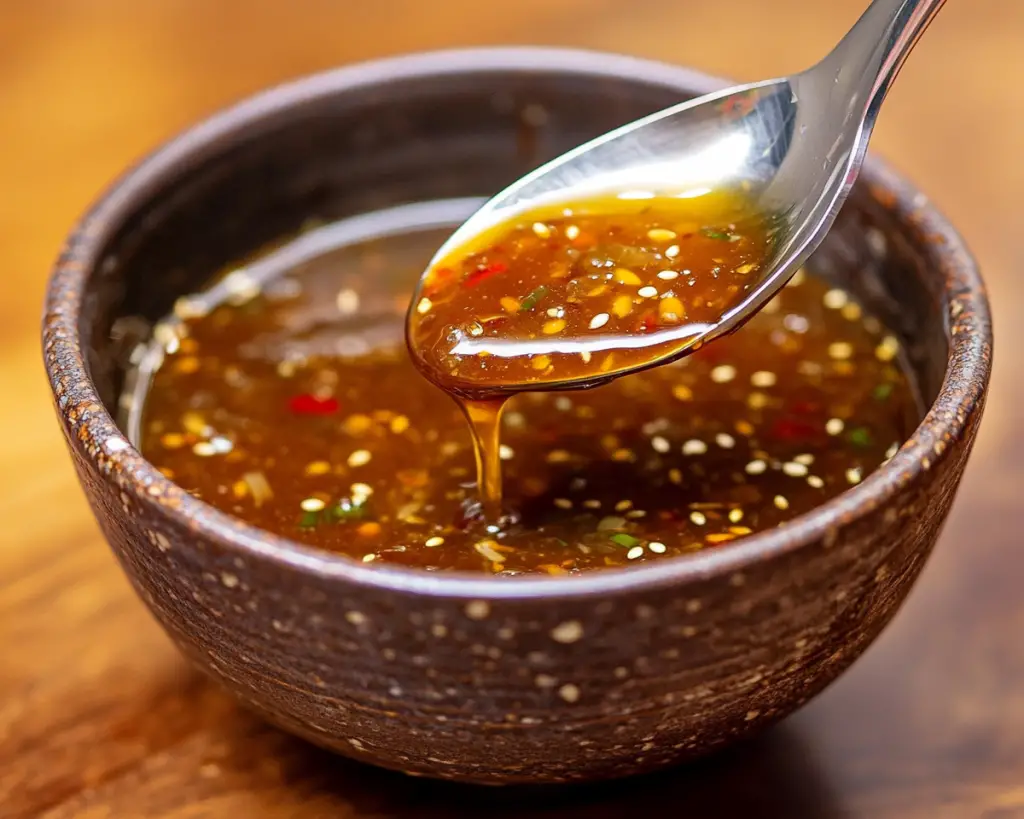
Prep time: 5 minutes
Cook time: 10 minutes
Total time: 15 minutes
Servings: Makes about 1 cup
Homemade teriyaki sauce is a kitchen staple that transforms simple dishes into gourmet meals with minimal effort. If you’ve ever tasted teriyaki sauce, you know it brings a delightful balance of savory, sweet, and tangy flavors that dance on your taste buds. Whether you’re preparing a quick weeknight dinner or planning a weekend barbecue, having quick homemade teriyaki sauce in your arsenal can elevate your meals. This recipe not only saves you time but also allows you to control the ingredients, ensuring a healthier and more personalized flavor profile.
In this guide, you’ll learn how to create your own quick homemade teriyaki sauce, explore its origins, discover key variations, and uncover cooking tips that guarantee perfect results every time.
What Is Teriyaki Sauce?
Teriyaki sauce is a traditional Japanese condiment known for its rich and complex flavor, which is derived from a combination of key ingredients. This sauce typically features soy sauce, mirin (a sweet rice wine), sugar, and various spices. The name “teriyaki” comes from the cooking technique, which involves grilling or broiling food while being brushed with the sauce, giving it a shiny, caramelized glaze.
The sauce has a luxurious texture, thickened often by cornstarch, creating a glossy finish that clings beautifully to meats and vegetables. Flavor-wise, it strikes a perfect balance between umami from the soy sauce, sweetness from the sugar, and tanginess from the vinegar, making it a versatile base for marinades, glazes, and stir-fries. Though teriyaki sauce has its roots in Japan, it has found massive popularity worldwide, particularly in American cuisine where it’s commonly paired with chicken, beef, and tofu.
Why You’ll Love This Quick Homemade Teriyaki Sauce
There are several reasons why you’ll fall in love with this quick homemade teriyaki sauce recipe. First and foremost, it’s incredibly easy and requires just a few everyday ingredients, making it accessible for even novice home cooks. Instead of relying on store-bought options that may contain preservatives and excess sugar, this homemade version allows you to control the flavor and sweetness level to your liking.
Moreover, making teriyaki sauce at home is cost-effective. You might already have soy sauce and sugar in your pantry, and adding just a few more ingredients will yield a batch of sauce that can last for weeks. It’s also versatile; you can use it for marinating, glazing, or drizzling on various dishes like grilled chicken, stir-fried veggies, or rice bowls. Whether you’re prepping a quick family dinner or hosting friends, this sauce adds a sophisticated touch to your meals without the fuss.
Ingredients You’ll Need
- Soy Sauce: The foundation of the sauce, soy sauce provides the essential umami flavor. You can use regular or low-sodium soy sauce depending on your preference.
- Mirin: This sweet rice wine adds depth and sweetness. If you don’t have mirin, you can substitute it with a mixture of white wine and sugar.
- Brown Sugar: Brown sugar helps to deepen the sweetness and contribute to a rich flavor profile. Honey or maple syrup also works as substitutes.
- Rice Vinegar: Adds a tangy note; you can also use apple cider vinegar in a pinch.
- Garlic: Fresh minced garlic enhances the aroma and taste.
- Fresh Ginger: Minced ginger provides a warm and slightly spicy undertone. Ground ginger is an alternative if fresh is unavailable.
- Cornstarch: Used as a thickening agent. It creates the desired consistency and allows the sauce to cling to the food.
- Water: Helps to adjust the thickness of the sauce when cooking.
How to Make Quick Homemade Teriyaki Sauce
Creating your own teriyaki sauce at home is a breeze. Follow these step-by-step instructions for a delicious result:
- Combine Ingredients: In a small saucepan, add 1 cup of soy sauce, 1/4 cup of mirin, 1/4 cup of brown sugar, and 2 tablespoons of rice vinegar. These ingredients are essential for developing the foundational flavors of your teriyaki sauce. Whisk them together until the sugar is mostly dissolved.
- Add Aromatics: Next, mince 2 cloves of garlic and 1 teaspoon of fresh ginger, then add them into the saucepan. Garlic brings a pungent aroma, while ginger provides warmth and spice. Stir well to ensure even distribution of flavors.
- Apply Heat: Place the saucepan over medium heat. Let the mixture come to a gentle boil while stirring occasionally. This step is crucial as it helps meld the flavors together and enhances the sweetness of the brown sugar.
- Thickening the Sauce: In a small bowl, combine 1 tablespoon of cornstarch with 2 tablespoons of water, mixing until smooth. This cornstarch slurry will thicken your sauce effectively. Once your sauce reaches a boil, gradually whisk in the cornstarch mixture while continuing to stir. This results in a glossy and thick consistency.
- Simmer and Taste: Reduce the heat and let the sauce simmer for about 5-7 minutes. As it cooks, the flavors will deepen. Taste the sauce at this stage and adjust sweetness or seasoning if needed; add a pinch more sugar or soy sauce based on your palate.
- Cool and Store: After simmering, remove the saucepan from heat and let it cool. The sauce can be used immediately or stored in an airtight container in the refrigerator. It will last for up to 2 weeks, making it a convenient option for multiple meals!
4 Variations & Substitutions
Spicy Teriyaki Sauce: If you enjoy a bit of heat, consider adding red pepper flakes or sriracha sauce to your basic teriyaki recipe. This variation not only enhances the flavor but adds excitement and warmth to your dishes. It’s an excellent way to elevate the taste if you’re marinating spicy grilled chicken or tofu. Remember to adjust the quantity according to your spice tolerance.
Pineapple Teriyaki Sauce: For a fruity twist, incorporate crushed pineapple into your teriyaki sauce. This adds natural sweetness and a refreshing flavor that pairs wonderfully with grilled meats and seafood. Blend equal parts of crushed pineapple and soy sauce in your recipe, replacing some of the mirin to balance out the sweetness. This version works particularly well with chicken or fish, giving your dish a tropical flair.
Herbed Teriyaki Sauce: For an aromatic version, try tossing in fresh herbs like cilantro or green onions. Adding these at the end of cooking can create a fresh and vibrant flavor. Chopped herbs will add a different layer of complexity and can make boring stir-fries more enticing. It’s a great option for health-conscious eaters who want a unique twist on a beloved classic.
Low-Sodium Teriyaki Sauce: If you’re watching your sodium intake, replace the soy sauce with a low-sodium variant or use tamari, which is gluten-free. You’ll still achieve a similar flavor without the excessive salt. Additionally, using less sugar or finding alternatives like stevia can keep the flavor intact while maintaining a healthier profile for any dietary restrictions.
Common Mistakes to Avoid
One of the most common mistakes in making teriyaki sauce is not properly dissolving the brown sugar. If the sugar is added directly into the mix without enough stirring, it can clump and not incorporate into the sauce properly. Always make sure to whisk it thoroughly for a smooth texture.
Another mistake is overcooking the sauce, which can lead to a burnt taste or unpleasant bitterness. Keep a close eye on the heat and avoid letting it boil vigorously for too long. Remember, less is more when it comes to simmering; aim for a gentle simmer to develop flavors without losing quality.
Lastly, many people underestimate the power of taste-testing as the sauce cooks. Every ingredient affects the overall flavor, so don’t skip out on tasting during the cooking process. Adjust it accordingly and make final tweaks based on your personal preferences to ensure the best results.
Storage, Freezing & Reheating Tips
Storing teriyaki sauce is straightforward. Once cooled, transfer it to a glass jar or an airtight container. Store it in the refrigerator where it will stay fresh for up to two weeks. Always label your container with the date made to maintain a clear inventory of your sauces.
If you want to store for longer, consider freezing the teriyaki sauce. Pour the cooled sauce into ice cube trays and freeze until solid. Once frozen, transfer the cubes into resealable freezer bags and store. You can pull out just the amount you need for quick meals without thawing the entire batch.
When it comes to reheating, thaw overnight in the refrigerator, or use the microwave on low power. If the sauce has thickened too much, add a splash of water to help return it to a desirable consistency. Always reheat gently to avoid altering the flavors.
Frequently Asked Questions
Can I substitute mirin with something else?
Yes, if you don’t have mirin, a mixture of white wine and sugar or rice vinegar with a touch of sugar can give you a similar sweet flavor. The goal is to retain that sweetness while providing mild acidity.
What can I use teriyaki sauce for?
Teriyaki sauce is incredibly versatile. You can use it as a marinade for meats and seafood, a glaze for grilled dishes, or even as a seasoning for stir-fry vegetables and grains. It also works beautifully drizzled over rice bowls or salads.
How do I adjust the thickness of the sauce?
If your teriyaki sauce is thicker than desired, add a small amount of water to thin it out. On the other hand, if it’s too thin, you can easily thicken it by simmering it longer or adding more cornstarch mixed with water.
Is homemade teriyaki sauce healthier than store-bought?
Absolutely. Homemade teriyaki sauce allows you to control the amount of sugar and sodium, making it a healthier alternative. By customizing the ingredients, you can cater to your dietary preferences, avoiding preservatives and artificial additives found in many commercial sauces.
Can I make teriyaki sauce gluten-free?
Yes! Simply replace the regular soy sauce with gluten-free alternatives such as tamari or coconut aminos. Both will give you that characteristic umami flavor without the gluten, perfect for anyone with gluten sensitivities.
Conclusion:
Quick homemade teriyaki sauce is not only simple to prepare but also offers countless opportunities for customization and enjoyment in your meals. With its delicious blend of flavors, you can transform any dish from ordinary to extraordinary with just a few tablespoons. I encourage you to try making this sauce, experiment with different variations, and share your culinary creations with friends and family. Happy cooking, and enjoy the delightful flavors of homemade teriyaki sauce!