Prep time: 20 minutes
Cook time: 40 minutes
Total time: 1 hour
Servings: 4
Roasting vegetables is a delightful way to bring out their natural sweetness and add depth to your family dinner. This Roasted Vegetable Side Dish not only pairs beautifully with a variety of main courses, but it also allows you to sneak in some extra veggies, ensuring that everyone gets their daily dose of nutrition. The vibrant colors and rich flavors create a stunning dish that is both comforting and wholesome, perfect for busy parents or anyone looking to enjoy simple yet hearty meals.
What Is Roasted Vegetable Side Dish for Family Dinner?
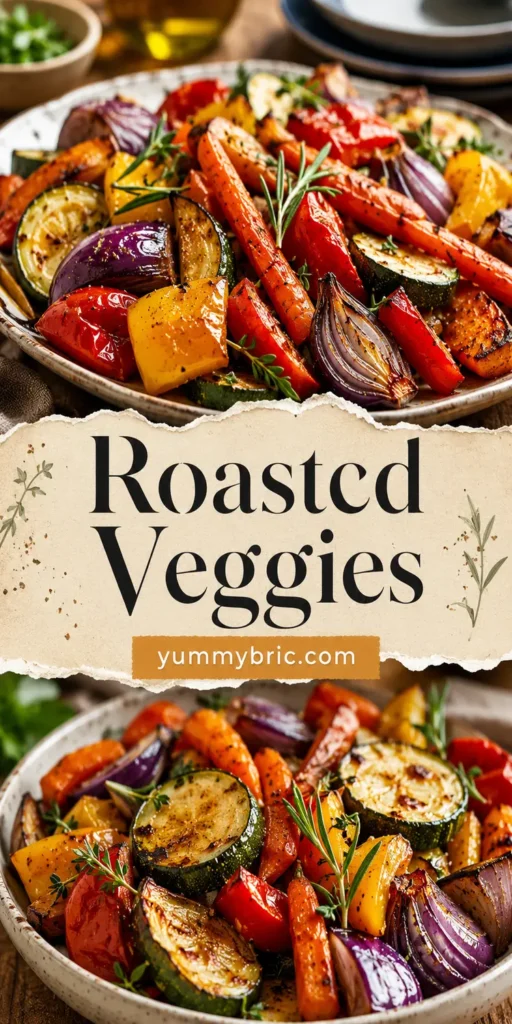
Roasted vegetable side dishes are typically made by tossing a variety of vegetables in olive oil, seasoning them with herbs and spices, and then roasting them in the oven until they’re perfectly caramelized. This method of cooking enhances the flavors and textures of the veggies, resulting in a crispy exterior and a tender interior. Common choices for a roasted vegetable dish include carrots, bell peppers, zucchini, potatoes, and onions. Not only is this dish versatile, but it also caters to a wide range of taste preferences, making it an excellent addition to any dinner table.
Why You’ll Love This
There are numerous reasons to love this roasted vegetable side dish. First and foremost, it’s incredibly easy to prepare, making it a fantastic option for busy weeknights. Simply chop the vegetables, toss them with a few seasonings, and let the oven do the work. Furthermore, the roasted veggies add vibrant color and a satisfying depth of flavor to any meal, elevating even the simplest of dishes.
Additionally, roasting vegetables is a healthy cooking method. It requires minimal added fat—just a drizzle of olive oil—while preserving essential nutrients. This makes it a perfect choice for those interested in healthy eating or meal prepping, ensuring that you can enjoy a nutritious, flavorful side without excessive calories or prep time.
Ingredients You’ll Need
- 2 cups mixed vegetables: Bell peppers, zucchini, and carrots work wonderfully together, providing a colorful array and a mix of sweet and savory flavors.
- 1 tablespoon olive oil: This helps the vegetables roast evenly and adds a subtle richness.
- Salt and pepper to taste: Essential for enhancing the natural flavors of the vegetables.
- 1 teaspoon garlic powder: Adds a punch of flavor without the need to chop fresh garlic.
- 1 teaspoon dried oregano or Italian seasoning: Offers an aromatic quality that complements the vegetables beautifully.

How to Make
- Preheat your oven to 425°F (220°C). This high temperature is crucial for achieving that perfect caramelization on your veggies. Ensure that your oven is fully preheated for the best results.
- Wash and chop your vegetables into uniform pieces. Aim for roughly 1- to 1.5-inch cubes, so they cook evenly. As you chop, pay attention to the sizes—this will help ensure everything roasts perfectly without some pieces being burnt while others remain raw.
- In a large mixing bowl, combine your chopped vegetables. Drizzle with olive oil, then sprinkle with salt, pepper, garlic powder, and oregano. Use your hands or a spatula to toss the vegetables until they are evenly coated in oil and seasonings.
- Spread the seasoned vegetables in a single layer on a baking sheet lined with parchment paper. Avoid overcrowding—the more space your veggies have, the better they will roast and caramelize. If necessary, use two baking sheets.
- Roast in the preheated oven for about 30-40 minutes, stirring halfway through. This will ensure that the vegetables are evenly cooked and caramelized. Keep an eye on them near the end, as they should be golden brown and tender when done.
- Once cooked, remove the vegetables from the oven and let them cool slightly before serving. The smell of roasted vegetables will fill your kitchen, creating an inviting atmosphere that’s perfect for family gatherings.
Variations & Substitutions
Root Vegetable Roasting Variation: For a hearty alternative, consider using root vegetables such as sweet potatoes, carrots, and parsnips. Cut them into similar-sized pieces, toss with olive oil, and season as directed. Root vegetables bring a natural sweetness that becomes even more pronounced when roasted. Adding a sprinkle of cinnamon or nutmeg can also enhance their flavor profile, making a cozy dish perfect for autumn and winter dinners.
Herbed Variation: If you’re looking to elevate the flavor, try adding fresh herbs such as rosemary or thyme in addition to your dried herbs. Fresh herbs can add brightness and complexity, making the naked roasted vegetables come alive with flavor. Chop them finely and toss them with the vegetables before roasting. As they cook, the herbs will infuse the dish with rich aromas.
Spicy Variation: For a bit of heat, add red pepper flakes or diced jalapeños to the mix. This spicy addition will provide a zing that can completely transform the dish. If you are serving a crowd, consider reserving a portion of the vegetables before adding spice, so those who prefer milder flavors can still enjoy them.
Common Mistakes to Avoid
One common issue is overcrowding the baking sheet. When vegetables are too close together, they steam rather than roast, resulting in a mushy texture instead of that desirable crispy exterior. To avoid this, spread the vegetables out in a single layer, giving them ample space to roast properly.
Another problem is under-seasoning. While it may be tempting to play it safe with seasonings, roasted vegetables benefit significantly from a good amount of salt, pepper, and spices. Always taste a piece before serving; you can adjust with more seasoning as needed.
Lastly, inconsistent cutting sizes can lead to uneven cooking. Try to cut all pieces to roughly the same size; otherwise, some vegetables will be perfectly tender while others may be hard.
Storage, Freezing & Reheating Tips
To store your roasted vegetables, allow them to cool completely before transferring them to an airtight container. They can be kept in the refrigerator for about 3-5 days. If you prefer to freeze them, spread the roasted veggies in a single layer on a baking sheet and flash freeze before transferring them to a sealed freezer bag. They can last for up to 3 months this way.
When you’re ready to reheat, your best option is to use the oven, which will help restore some of that crispy texture. Preheat your oven to 375°F (190°C), place the vegetables on a baking sheet, and heat for about 10-15 minutes until warmed through. You can also microwave them, but be prepared for a softer texture.
Frequently Asked Questions
Can I use frozen vegetables instead of fresh ones?
While fresh vegetables yield the best results due to their crisp texture and natural sweetness, frozen vegetables can be a convenient substitute. If using frozen, be sure to thaw them completely and pat them dry before roasting. This will help avoid excess moisture, ensuring your vegetables roast rather than steam.
What can I serve with roasted vegetables?
Roasted vegetables make a great side to almost any main dish. They pair well with roasted chicken, grilled meats, or even alongside a hearty grain dish. Consider serving them alongside a protein such as baked salmon or chickpeas for a balanced meal.
Can I prepare roasted vegetables ahead of time?
Absolutely! You can prep and season your vegetables earlier in the day or even the day before. Store them in the refrigerator until you’re ready to cook. This not only shortens your cooking time but also allows the flavors to meld beautifully.
Are there any other vegetables I can roast?
Certainly! Almost any vegetable can be roasted. Feel free to experiment with Brussels sprouts, asparagus, or even cauliflower. Just adjust the cooking time as needed for different vegetables to ensure everything is cooked to perfection.
What is the best oil for roasting vegetables?
Olive oil is a fantastic choice due to its flavor and health benefits, but feel free to use other oils like avocado or grapeseed oil if you prefer a different taste profile. Just be cautious about the smoke point; you want an oil that can withstand high temperatures without burning.
Conclusion: Roasted Vegetable Side Dish is an incredible addition to your family dinner, making it easy to incorporate healthy ingredients into your meals without sacrificing flavor. With simple preparation, a variety of ingredient options, and plenty of opportunities for customization, this dish is sure to become a staple in your cooking repertoire. Enjoy the process of roasting, and don’t be afraid to experiment with different combinations to find your favorite!