**Prep Time:** 15 minutes
**Cook Time:** 20-25 minutes
**Total Time:** 35-40 minutes
**Servings:** 24 cookies
Scottish shortbread cookies are not just any treat; they evoke a sense of warmth and nostalgia that takes you back to simpler times or perhaps a cozy afternoon tea in a quaint Scottish tearoom. Imagine sinking your teeth into a crisp, buttery cookie that crumbles just right, leaving a lingering sweetness behind. This classic cookie is renowned for its simplicity and elegant flavor, making it a favorite for any occasion.
In this article, you will learn how to make traditional Scottish shortbread cookies from scratch, along with variations and tips to ensure your cookies turn out perfectly every time. Get ready for a delightful baking experience that combines easy instructions with flavor that sings!
What Is Scottish Shortbread Cookies?
Scottish shortbread cookies have a storied history that goes back to the 12th century when they were served at special occasions. These delightful treats are typically made with just three staple ingredients: **butter, sugar, and flour**. The simplicity of these ingredients allows for a rich flavor that reflects the quality of the butter used. Traditionally, the cookies are made using a specific ratio of ingredients — one part sugar, two parts butter, and three parts flour.
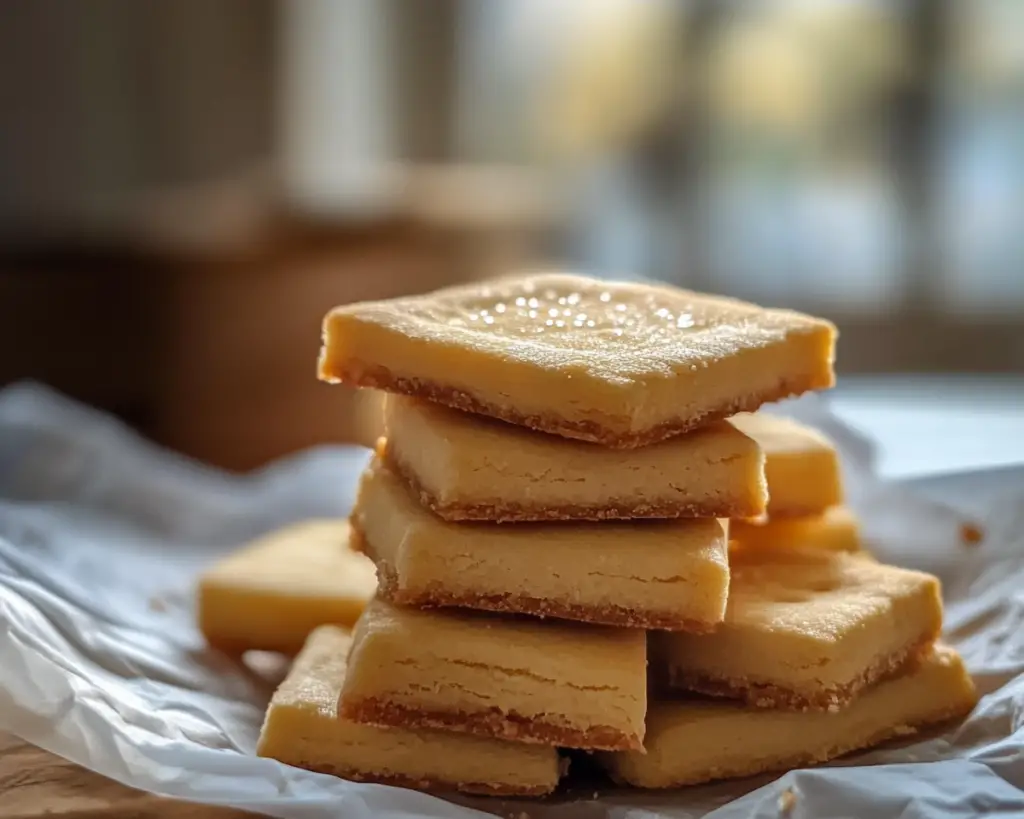
The **texture** of shortbread is pivotal; unlike many cookies that are chewy, these are crisp and crumbly. When baked to perfection, they turn golden and carry a melt-in-your-mouth quality. The flavor is buttery with a subtle sweetness, making them a versatile companion to tea or coffee. The classic shortbread remains unadorned, but it can also be flavored with spices or zests for those looking to experiment. These cookies are not only popular in Scotland; they’ve won the hearts of cookie lovers all over the world.
Why You’ll Love This Scottish Shortbread Cookies
There are several compelling reasons why Scottish shortbread cookies are a must-bake. First and foremost is their unmatched **taste**. The combination of rich butter and just the right amount of sugar creates a flavor profile that melts on your palate leaving you craving more.
These cookies are incredibly **easy** to make! Whether you’re a novice in the kitchen or an experienced baker, this recipe’s straightforward method ensures that anyone can replicate the success. Plus, the ingredients are simple and generally cost-effective. What better way to treat your family without breaking the bank?
In addition, they are remarkably **versatile**. You can customize the flavor with various add-ins such as lavender, orange zest, or even chocolate chips. Moreover, these cookies serve beautifully for tea parties, festive gatherings, or as delightful homemade gifts. They keep well, which makes them an excellent choice for **meal prep**, allowing you to bake them in advance for special occasions.
Finally, you can feel good about sharing homemade cookies, knowing that they don’t contain the artificial ingredients commonly found in store-bought options. You can relish each bite knowing you’ve put your heart into making these treats all on your own.
Ingredients You’ll Need
To create perfectly crumbly and buttery Scottish shortbread cookies, you will need the following ingredients:
– **Unsalted butter (1 cup)**: The star of the show! Ensure it’s at room temperature to allow for easy mixing. For a lighter flavor, you can opt for European-style butter, which has a higher fat content.
– **Granulated sugar (1/2 cup)**: This adds just the right sweetness. You could use confectioners’ sugar for a more delicate texture, but granulated sugar is the classic choice.
– **All-purpose flour (2 cups)**: It’s the base of your cookies, providing structure and texture. If you’re looking for a gluten-free option, almond flour can work in combination with a gluten-free flour blend, but keep in mind the texture will be different.
– **Salt (1/4 teaspoon)**: A little salt enhances the sweetness and balances the flavors. Don’t skip this ingredient; it makes a big difference!
– **Optional flavorings**: This can include vanilla extract (1 teaspoon), almond extract (1/2 teaspoon), or citrus zest (like lemon or orange) for an aromatic twist.
How to Make Scottish Shortbread Cookies
Here are the step-by-step instructions to make your Scottish shortbread cookies from scratch.
1. **Preheat Your Oven**: Begin by preheating your oven to 325°F (160°C). This ensures that your cookies bake evenly from the moment you place them in the oven.
2. **Cream the Butter and Sugar**: In a large mixing bowl, add the softened unsalted butter and granulated sugar. Using an electric mixer or a handheld whisk, beat the mixture on medium speed until it becomes light and fluffy. This should take about 3-4 minutes. The air incorporated into the butter will make your cookies lighter and give them that desired crumbly texture.
3. **Add the Flour and Salt**: Gradually sift in the all-purpose flour and sprinkle in the salt. Using a spatula or your hands, gently fold and combine the ingredients. Be careful not to overmix, as this can develop the gluten in the flour, leading to tougher cookies.
4. **Shape the Cookies**: Once your dough comes together, transfer it onto a clean, floured surface. Use your hands to press it into a rectangle about half an inch thick. You can roll it out with a rolling pin, or if you prefer thicker cookies, simply press it down with your fingers. If you want to add texture, you can use a fork to prick the surface.
5. **Cut into Shapes**: Using a sharp knife or cookie cutter, cut the dough into squares, rectangles, or any shape you like. Place them on a baking sheet lined with parchment paper, making sure to leave some space between each cookie as they will expand slightly when baking.
6. **Bake**: Place the baking sheet in the preheated oven and bake for 20 to 25 minutes, or until the edges begin to turn a light golden brown. Keep an eye on them to ensure you don’t overbake; shortbreads are best when they are just barely baked, maintaining their pale color.
7. **Cool**: Once baked, remove the cookies from the oven and allow them to cool on the baking sheet for about 10 minutes. Then transfer them to a wire rack to cool completely. This helps them firm up as they cool. If you’d like, you can sprinkle a little additional sugar on top while they’re still warm for a bit of sparkle.
8. **Store and Enjoy**: Once completely cooled, store your shortbread cookies in an airtight container. They can last for up to two weeks at room temperature—but they’ll be devoured long before that!
5 Variations & Substitutions
1. **Chocolate Chip Shortbread**: Want to elevate the classic flavor? Add 1 cup of mini chocolate chips to your dough. This creates an indulgent contrast to the buttery flavor while maintaining the beloved crumbly texture. Always fold in the chocolate chips gently so as not to overmix.
2. **Lemon Zest & Poppy Seed**: For a delightful citrus kick, add 1 tablespoon of fresh lemon zest and 2 tablespoons of poppy seeds to the dough. This transforms your shortbread into a refreshing treat ideal for springtime gatherings or brunches.
3. **Herb-Infused Shortbread**: For a savory twist, consider adding finely chopped fresh herbs such as rosemary or thyme (about 1-2 teaspoons). This variation pairs beautifully with cheese platters or as a unique snack.
4. **Almond Shortbread**: Substitute half of the all-purpose flour with almond flour to create a nutty flavor. Enhance it further by adding 1 teaspoon of almond extract for that robust almond taste.
5. **Coconut Shortbread**: Replace 1/2 cup of all-purpose flour with unsweetened shredded coconut. This variation provides a chewy texture and a tropical flavor that can transport you to warmer climates.
Common Mistakes to Avoid
One common mistake when making Scottish shortbread is using ingredients that are too cold. Always ensure **your butter is at room temperature** before starting. Cold butter will not cream properly with the sugar, leading to dense cookies.
Overmixing is another mistake that many home bakers make. The dough should be mixed just until combined; overmixing develops gluten, which can lead to tougher cookies! Mix lightly and gently, treating the dough with care.
Lastly, **underbaking** may seem tempting, but you must recognize when your cookies are done. Look for a light golden edge but a pale center. Baking on a lower temperature is crucial to retaining their characteristic crumbly texture. If in doubt, a couple of extra minutes in the oven is better than removing them too soon.
Storage, Freezing & Reheating Tips
Once baked, store your Scottish shortbread cookies at room temperature in an airtight container to maintain freshness. They can last up to two weeks, thanks to the simple and natural ingredients used in the recipe.
For longer storage, you can freeze these cookies. Simply layer them between parchment paper in an airtight container and place them in the freezer. They will keep well for up to three months. When you’re ready to enjoy them, defrost at room temperature for about an hour.
Reheating these cookies is generally not necessary, but if you wish to get that fresh-baked taste again, place them in a preheated oven at 300°F (150°C) for about 5-10 minutes. This will restore their crispness!
Frequently Asked Questions
**Can I use salted butter in this recipe?**
Yes, you can use salted butter if that’s what you have on hand. However, you’ll want to reduce the added salt in the recipe to about an 1/8 teaspoon. The result will still be delicious, but the salt content could be a bit higher.
**Why is my shortbread too crumbly?**
If your shortbread dough is too crumbly, it may be because not enough moisture has been incorporated. You can remedy this by kneading the dough gently or adding a teaspoon of cold water to help it come together.
**What can I serve with Scottish shortbread cookies?**
Scottish shortbread cookies pair beautifully with tea, coffee, or even a glass of milk. They are also spectacular when served alongside fruit preserves or jams, adding a sweet and tart contrast to their buttery richness.
**Can I make these shortbread cookies gluten-free?**
Yes! You can substitute the all-purpose flour with a gluten-free flour blend. Just ensure that the blend you use contains xanthan gum, as it helps mimic the texture of regular flour in baking.
**How can I make my cookies more festive for the holidays?**
You can brush the tops of your shortbread with a little melted butter and sprinkle with colored granulated sugar for a festive touch. Alternatively, cut them into shapes using holiday-themed cookie cutters and decorate with festive icing.
In conclusion, Scottish shortbread cookies hold a special place in the realm of baking. With their rich flavors, crumbly texture, and simple ingredients, they are an ultimate treat that transcends all culinary boundaries. Whether you enjoy them with a warm cup of tea, share them with friends, or indulge solo, they never fail to bring joy. I encourage you to try making them at home, customize your flavors, and relish in the delightful aroma that fills your kitchen as they bake. Happy baking!