Prep time: 15 minutes
Cook time: 20 minutes
Total time: 35 minutes
Servings: 4
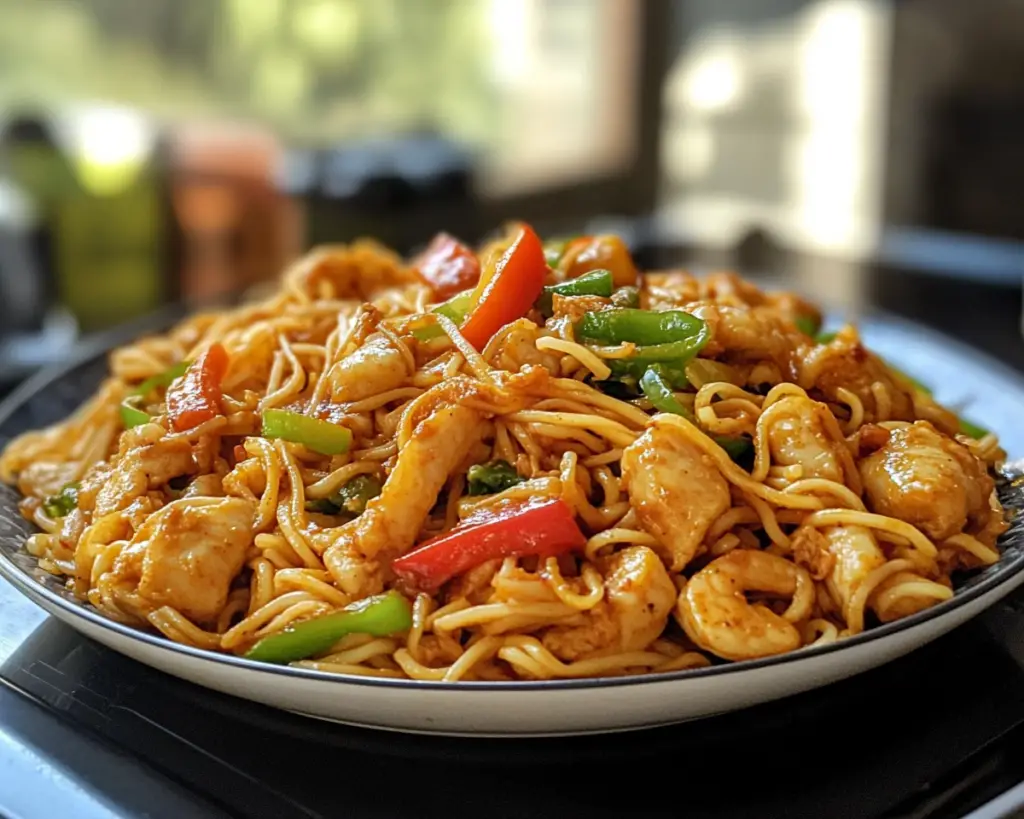
When it comes to vibrant, flavorful dishes, few can match the excitement of Singapore Noodles. Picture this: a colorful stir-fry of thin rice vermicelli noodles tossed with a delightful array of vegetables, protein, and a punchy curry sauce that makes your taste buds sing. Whether paired with succulent shrimp, tender chicken, or simply a medley of vegetables, Singapore Noodles offer a perfect blend of flavors and textures that can transport you to the bustling streets of Singapore. This dish isn’t just a meal; it’s a celebration on your plate!
What makes this recipe even more special is its adaptability; you can tailor it to fit your dietary preferences or the ingredients you have on hand. In this article, you’ll learn not only how to prepare these delightful noodles but also how to explore variations, avoid common mistakes, and ensure you get the best flavors possible. Whether you’re a busy parent looking for a quick weeknight meal or someone who simply loves experimenting in the kitchen, this recipe has you covered.
What Is Singapore Noodles (Flavorful Curry Stir-Fry Noodles)?
Singapore Noodles, despite the name, are not actually from Singapore. This vibrant dish is a popular item in Chinese cuisine, particularly in Western countries. The essence of Singapore Noodles lies in the thin, flexible rice vermicelli noodles that serve as the canvas for the dish. These noodles are stir-fried to perfection, creating a satisfying texture that complements the crunchy vegetables and tender protein pieces.
The flavor profile of Singapore Noodles is simply mouth-watering. The use of curry powder gives the noodles a distinctive golden hue that is as inviting to the eyes as it is to the palate. Upon your first bite, you’ll experience a delightful blend of savory, spicy, and slightly sweet notes. This dish typically features bell peppers, carrots, and onions, contributing to both its texture and visual appeal. The fragrant aroma will make your kitchen feel inviting and warm, perfect for family dinners or meal prep!
Why You’ll Love This
There are countless reasons to love Singapore Noodles, starting with their incredible flavor. The combination of spices and fresh ingredients makes it a fantastic choice for those who enjoy bold tastes. Additionally, this dish is surprisingly easy to make, ensuring that you won’t have to spend hours in the kitchen. With just a handful of ingredients, you can whip up a wholesome meal in less than 40 minutes!
Another significant advantage is the cost-effectiveness of this recipe. Most of the ingredients are budget-friendly staples that you can find at your local grocery store or even have on hand in your pantry. This makes it a favored choice for families and college students alike who are looking to eat well without breaking the bank. Furthermore, Singapore Noodles are incredibly versatile — you can easily switch up the protein based on what you have, making them suitable for vegetarians, pescatarians, or meat lovers.
Many people may have misconceptions about stir-fry dishes being too greasy or complicated. However, this recipe proves that you can have a flavorful dish without excessive oil or heavy additives. You can customize it with more vegetables for added health benefits or eliminate heavy sauces to cater to lighter diets.
Ingredients You’ll Need
- Rice vermicelli noodles: The base of the dish that soaks up all the delicious flavors from the sauce. These noodles are light and cook quickly.
- Curry powder: The star spice that gives the noodles their signature flavor and vibrant color. Feel free to adjust the amount to suit your preference!
- Vegetable oil: Essential for stir-frying the ingredients. Use a neutral oil to prevent overpowering the flavors.
- Bell peppers: Adds color, crunch, and a touch of sweetness to balance the spices. You can use any color bell pepper you enjoy.
- Onions: A flavor base that caramelizes beautifully when stir-fried, enhancing the overall taste.
- Carrots: Provides a crunchy texture and natural sweetness that complements the savory elements.
- Protein (shrimp, chicken, tofu): Depending on your preference, add your choice of protein for a more filling dish. Shrimp cooks quickly, while chicken can be marinated for added flavor.
- Garlic: A flavor enhancer that adds depth to the dish. Fresh garlic is recommended for the best taste.
- Green onions: For garnish; adds a fresh, crisp texture and color.
- Soy sauce: Provides an additional layer of umami flavor. Low-sodium options are available for those watching their salt intake.
- Bean sprouts: Optional, but they add a nice crunch and freshness to the stir-fry.
- Egg: Optional, scrambled and cooked as part of the dish for added richness and protein.
Getting creative with the ingredients can further elevate your dish. For instance, you can substitute the rice vermicelli noodles with a **gluten-free option** if needed. You can also use different vegetables like snap peas or zucchini for a unique twist.
How to Make
1. **Cook the rice vermicelli noodles:** Begin by boiling a pot of water. Once it reaches a rolling boil, add the rice vermicelli noodles and cook them according to package instructions, usually around 3-5 minutes. You want them to be tender but not mushy. Drain them and rinse under cold water to stop the cooking process. This step is crucial; it helps maintain the perfect texture of the noodles for your Singapore Noodles.
2. **Heat the oil:** In a large skillet or wok, heat about 2 tablespoons of vegetable oil over medium-high heat. The oil should shimmer but not smoke. If you’re worried about the heat, start on medium and gradually increase. You want the oil hot enough to sear your ingredients quickly to preserve their freshness.
3. **Stir-fry the vegetables:** Begin by adding the diced onions and minced garlic to the hot oil. Stir continuously for about 1-2 minutes until they become fragrant and the onions turn translucent. Next, add the sliced bell peppers and carrots, stirring them for another 3-4 minutes. You want them to be crisp-tender — vibrant but still crunchy to enjoy the contrasting textures in your dish.
4. **Add the protein:** If you’re using shrimp or diced chicken, add them at this point. Stir-fry for about 3-5 minutes or until the shrimp turns pink or the chicken is cooked through. Make sure to keep the ingredients moving in the pan to ensure even cooking and prevent browning.
5. **Incorporate the noodles and sauce:** Add the cooked rice vermicelli noodles to the pan and sprinkle in the curry powder and soy sauce. Using tongs or chopsticks, gently toss everything together for about 2-3 minutes until the noodles are evenly coated with all the flavors. Don’t be afraid to really mix it up; the key here is to make sure every strand of noodle is infused with those delicious curry spices.
6. **Finishing touches:** If you’re adding scrambled eggs, clear a small space in the pan and pour beaten eggs into that section. Allow them to cook for a minute before scrambling them into the noodles. Finally, stir in the bean sprouts and chopped green onions just before serving for that delightful crunch. Taste and adjust the seasoning if necessary, perhaps adding a little more soy sauce or curry powder for extra flavor.
7. **Serve hot:** Once everything is combined and heated through, transfer your Singapore Noodles to serving plates. Garnish with additional green onions if desired, and serve immediately. The aroma will be fantastic, and you’ll be ready to devour your delicious creation!
Variations & Substitutions
Vegetarian Singapore Noodles: If you prefer to skip the meat, simply load up on more vegetables like snap peas, zucchini, and mushrooms. Substitute the protein with tofu; opt for firm tofu so that it holds up during cooking. The flavors remain just as vibrant thanks to the curry and vegetable medley. You’ll still enjoy the rich flavors and textures, making it a fantastic option for vegetarians.
Seafood Singapore Noodles: Enhance the dish by incorporating a mixture of seafood such as shrimp, squid, or fish. This variation not only adds an exciting mix of flavors but also provides an impressive presentation for dinner parties. The seafood adds a delightful oceanic sweetness that elevates the dish to new heights. Be cautious with cooking times; seafood cooks quickly, so ensure you don’t overdo it.
Spicy Singapore Noodles: For those who appreciate a kick, consider using chili oil or fresh chilies. You can also replace some of the curry powder with a hotter blend. The addition of fresh chopped cilantro can also help balance out the heat, giving the dish a refreshing finish that pairs beautifully with the spice.
Gluten-Free Singapore Noodles: Simply swap out regular soy sauce for a gluten-free tamari sauce, and ensure the noodles are 100% rice-based. This way, you can enjoy wonderfully flavored Singapore Noodles without the gluten. Many health-conscious diners will appreciate this adaptation while still enjoying the beloved flavors of the original dish.
Customizable Protein: The beauty of this recipe lies in its adaptability. Feel free to experiment with proteins like sliced beef, lean pork, or even tempeh. Each option brings its unique flavor and texture, allowing you to cater to whatever preferences you or your guests might have.
Common Mistakes to Avoid
One common mistake is overcooking the noodles. Make sure to follow the package directions closely, as overcooked noodles can become mushy and lose their pleasant texture. Always rinse them with cold water after cooking to prevent them from continuing to cook and sticking together.
Another pitfall is using too much oil. While you need some oil for stir-frying, excessive oil can weigh down the dish, making it greasy. Use just enough to coat the pan, and maintain a high cooking temperature to ensure the vegetables caramelize without excess oil pooling at the bottom.
Lastly, be mindful of salt levels. Since both curry powder and soy sauce can be salty, start with less when seasoning. You can always add more if necessary, but it’s difficult to fix an overly salty dish.
Storage, Freezing & Reheating Tips
Leftover Singapore Noodles can be stored in an airtight container in the refrigerator for up to three days. When storing, make sure to let them cool to room temperature to avoid condensation and sogginess.
If you plan to keep them longer, consider freezing the noodles. However, note that the texture may change slightly after thawing. To freeze, place the cooled noodles in a freezer-safe container or bag, removing as much air as possible to prevent freezer burn.
When you’re ready to eat the leftovers, simply reheat them on the stovetop over medium heat, adding a splash of water or extra soy sauce to prevent them from drying out. Stir frequently until heated through. You may also microwave them, but be sure to cover the container and add moisture to ensure even heating.
Frequently Asked Questions
Can I make Singapore Noodles ahead of time?
Yes! You can prepare the vegetables and protein in advance, and store them separately from the cooked noodles. When you’re ready to serve, you can quickly stir-fry everything together, making it great for meal prep.
Are Singapore Noodles gluten-free?
Traditional recipes use rice vermicelli and may contain soy sauce, which often has gluten. To enjoy gluten-free Singapore Noodles, simply use rice noodles and substitute regular soy sauce with gluten-free tamari.
What can I substitute for the curry powder?
If you don’t have curry powder on hand, you can create a blend using turmeric, cumin, coriander, and a pinch of chili powder. Each spice contributes to a warm, aromatic flavor and can be adjusted to suit your taste preferences.
Can I add more vegetables to this dish?
Absolutely! Singapore Noodles are incredibly flexible when it comes to vegetables. Feel free to add your favorites, such as broccoli, asparagus, or spinach. Just remember to adjust the cooking times based on the added vegetables to preserve their crunch.
Can I use another type of noodle besides rice vermicelli?
Yes, if you have other noodles like udon or soba, they can work well, although the flavor and texture will differ slightly. Just make sure to follow the cooking instructions for whatever noodles you choose.
Conclusion:
Singapore Noodles are not just a meal; they encapsulate a world of flavor, texture, and color, making them an ideal dish for any occasion. Their adaptability means you can customize them to fit your dietary preferences while still enjoying a vibrant, flavorful experience in every bite. Don’t wait—try making this delightful dish yourself, experiment with different ingredients, and share your culinary creations with family and friends. You might just find that this becomes a regular staple in your kitchen!