### Prep Time
30 minutes
### Cook Time
2 hours 15 minutes
### Total Time
2 hours 45 minutes
### Servings
6 to 8 servings
—
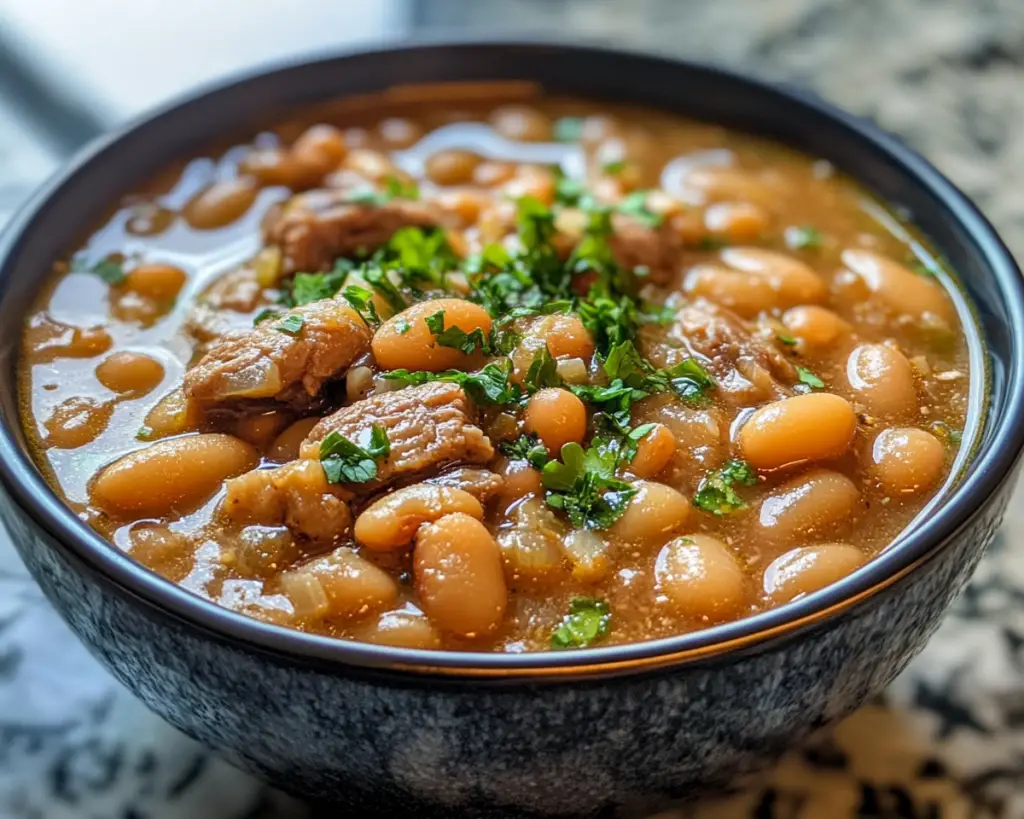
There’s nothing quite like a warm, hearty bowl of soup to comfort you on a chilly day or to savor during cozy family gatherings. If you’re looking for a dish that combines tenderness, flavor, and nourishment, then **Soup Beans with Roast Pork** is a crowd-pleaser you can’t ignore. This dish is a staple in many households, with families gathering around tables to enjoy its rich, savory taste and wonderful aroma. Whispers of smoky spices, paired with melt-in-your-mouth roast pork, make this dish not only a meal but a memory in the making.
In this article, you will not only learn how to prepare this scrumptious recipe but also explore its origins, variations, and tips to ensure yours is a hit every time. Whether you’re a beginner in the kitchen, a busy parent looking for a fulfilling meal, or simply someone who enjoys healthy, traditional cooking, you’re in for a treat. Let’s dive into the cozy world of **Soup Beans with Roast Pork!**
What Is Soup Beans with Roast Pork?
**Soup Beans**, often referred to as “beany” soups, are a traditional dish that originated from Southern and Appalachian cuisine. They typically consist of dried beans, simmered slowly to achieve a creamy texture. The beans, such as pinto, navy, or black beans, tenderize in their cooking liquid, usually a rich broth infused with herbs and spices. The intrigue comes with the addition of **roast pork**, giving the beans an extra layer of depth.
The texture of this dish is hearty and comforting. It’s not just soup; it’s a meal in a bowl. The beans absorb all the flavors from the pork and seasonings, creating a harmonious blend that’s hard to resist. Often, the soup is garnished with fresh herbs, a sprinkle of pepper, and maybe a dash of hot sauce for those who dare. With its complex flavors and filling ingredients, Soup Beans with Roast Pork is cherished for its ability to satisfy even the most robust appetites.
Why You’ll Love This Soup Beans with Roast Pork
There are countless reasons to fall in love with this dish. First and foremost, **taste** reigns supreme. With tender beans simmered in savory broth and succulent pork, every spoonful is a flavor explosion. The balance of smokiness from the pork cuts through the rich bean flavor, creating a satisfying depth that is distinctively comforting.
**Ease of preparation** is another highlight. Even if you’re just starting out in the kitchen, the steps are straightforward and uncomplicated. You can throw everything into one pot and allow it to simmer while you attend to other tasks, making it perfect for busy evenings or relaxed weekends.
Moreover, this recipe is **affordable**. Using basic staple ingredients like dried beans and pork, you can create a meal that feeds many without breaking the bank. You might find that this dish is not only good for your pocket but can also provide leftovers for lunch or subsequent meals throughout the week.
From a health perspective, beans are a fantastic source of plant-based **protein**, fiber, and important vitamins and minerals. When combined with pork, you get a well-rounded meal that’s nurturing. This dish also offers versatility, as you can tweak the ingredients to fit your dietary needs or personal preferences.
Common misconceptions around this dish often include concerns about its labor intensity or how friendly it is for special diets. While it might sound complex, rest assured it is rather simple. Even the most inexperienced cook can follow along with minimal efforts. Plus, for those following specific diets, consider the numerous adjustments we’ll discuss later to suit diverse tastes and needs.
Ingredients You’ll Need
Here’s what you’ll need for a delicious pot of Soup Beans with Roast Pork:
– **Dried Beans (such as pinto or navy)**: 1 pound.
– Role: The primary ingredient that adds creaminess and protein.
– Tips: Soak the beans overnight to decrease cooking time and improve digestibility. If short on time, a quick soak method works: boil beans in water for 2 minutes, then let sit for 1 hour.
– **Pork Shoulder or Pork Butt**: About 2 pounds, trimmed and cut into chunks.
– Role: Provides a rich, meaty flavor that enhances the soup’s depth.
– Substitutes: If you prefer leaner cuts, boneless pork loin works as well, though it will be less flavorful.
– **Onion**: 1 large, diced.
– Role: Adds sweetness and depth of flavor.
– **Garlic**: 4 cloves, minced.
– Role: Infuses a robust flavor into the soup.
– **Carrots**: 2 medium, diced.
– Role: Adds sweetness and texture.
– **Celery**: 2 stalks, diced.
– Role: Provides a nice crunch and savory note.
– **Broth (Chicken or Vegetable)**: 6 cups.
– Role: Serves as the cooking liquid, dominating the flavor profile.
– Tips: Homemade broth can elevate the dish; otherwise, opt for low-sodium versions for better control over salt intake.
– **Bay Leaves**: 2.
– Role: Adds a complex aroma and flavor.
– **Thyme**: 1 teaspoon dried or 1 tablespoon fresh.
– Role: Contributes to the earthy flavors.
– **Salt and Pepper**: To taste.
– Role: Essential for enhancing and balancing all flavors.
– **Olive Oil**: For sautéing.
– Role: A fat source that aids in developing flavor through the sauté process.
– **Hot Sauce or Red Pepper Flakes**: Optional for a spicy kick.
– Role: Adds heat for those who prefer a bit of spice.
Feel free to prepare these ingredients and gather them before you start cooking, making the process smoother.
How to Make Soup Beans with Roast Pork
Here’s a step-by-step guide to making your Soup Beans with Roast Pork:
1. **Prep the Beans**: Start by rinsing the dried beans to remove any debris. In a bowl, soak them in water overnight. If you’re short on time, you can quick-soak them by boiling them in water for two minutes, then letting them sit covered for about an hour.
2. **Sauté the Vegetables**: In a large pot or Dutch oven, heat a couple of tablespoons of olive oil over medium heat. Add the diced onion, carrots, and celery. Sauté for about 5-7 minutes or until softened and the onion becomes translucent. The aroma will fill your kitchen, adding warmth to your space.
3. **Add Garlic and Cook the Pork**: Stir in the minced garlic and cook for an additional minute until fragrant. Next, add the pork chunks to the pot, seasoning them with salt and pepper. Make sure to brown the pork on all sides; this browning will create a deep flavor that enriches the soup.
4. **Incorporate the Broth and Beans**: Once the pork is browned, drain and rinse the soaked beans. Add them to the pot, followed by the broth, bay leaves, and thyme. Stir to combine everything well. Bring the mixture to a boil and then reduce to a steady simmer.
5. **Simmer and Stir**: Cover the pot and let it simmer for about 1.5 to 2 hours. Stir occasionally and add more broth or water if necessary to maintain your desired consistency. The beans should be completely tender and the flavors melded together beautifully.
6. **Final Seasoning**: Once the beans and pork are velvety and flavorful, remove the bay leaves, and taste the soup. Adjust for seasoning with salt, pepper, and hot sauce or red pepper flakes. If it’s too thick, you can thin it out with a little additional broth or water.
7. **Serve**: Ladle the soup into bowls and garnish with fresh herbs if you like. Pair it with some crusty bread or cornbread for a fulfilling meal!
By following these steps, you’ll be rewarded with a deliciously warming dish perfect for any occasion.
5 Variations & Substitutions
1. **Vegetarian Variant**: To prepare a **vegetarian version**, simply replace the pork with a mix of mushrooms for a meaty bite and add more beans or lentils. Use vegetable broth as the base for flavor, and consider incorporating nutritional yeast for added umami.
2. **Spicy Option**: For those who love heat, increase the quantity of hot sauce or add diced jalapeños during the sautéing process. You could also use smoked paprika to impart a rich, smoky flavor that pairs wonderfully with the beans.
3. **Herb Infusion**: Feel free to experiment with herbs! Swapping thyme for rosemary or adding fresh parsley towards the end will give the soup a fresh twist and deeper aroma. This option is particularly enchanting during spring and summer.
4. **Bean Variety**: While pinto and navy beans are classics, consider using **black beans or lentils**. Each type will impart its unique flavor and texture to the soup. Black beans tend to be creamier, while lentils cook faster and give a slightly different mouthfeel.
5. **Creamy Variation**: For a richer, creamier soup, blend about half of the cooked beans with a little broth until smooth, then mix it back into the pot. This technique not only thickens the soup but enhances the creaminess, offering a delightful texture.
These variations provide a broad field for culinary creativity, allowing you to customize the dish to suit your taste preferences or dietary requirements.
Common Mistakes to Avoid
Creating the perfect soup beans doesn’t come without its challenges. Here are mistakes to watch for, along with how to avoid them:
– **Skipping the Soak**: One of the biggest pitfalls is neglecting to soak the beans. Skipping this step can result in **tough beans** that take far longer to cook, impacting both texture and flavor. Whenever you’re in doubt, soak away!
– **Underseasoning**: Many home cooks tend to underseason during the cooking process. With beans, remember that they absorb flavors as they cook, so be generous with your spices and salt early on. Taste as you go to build depth.
– **Boiling Instead of Simmering**: Cooking at a high boil can make the beans break apart while leaving the meat chewy. Instead, allow a gentle simmer; this will render the pork tender while achieving creamy beans.
– **Rushing the cooking process**: Soup beans appreciate time! Rushing could lead to caramelization, undercooked meat, or beans that are not fully tender. Patience is key; let them simmer for at least two hours as the flavors meld beautifully.
– **Ignoring Consistency**: Variety in soup is great, but don’t go too far; if you like it thicker, you can always add less liquid. If too thin, allow it to cook uncovered for a while to reduce—avoid reaching for a thickener unless needed.
Focusing on these common challenges will elevate your cooking experience and lead to stunning results!
Storage, Freezing & Reheating Tips
Storing leftover Soup Beans with Roast Pork is simple, and you’ll find the flavors develop even more as it sits. Here’s how to keep it fresh:
– **Refrigeration**: Allow the soup to cool completely before transferring it to airtight containers. Store in the fridge for up to 4-5 days. When reheating, do so slowly on the stove, adding a tad more water or broth if it cools too thick.
– **Freezing**: You can freeze this soup for up to 3 months! Portion it into meal-sized quantities in freezer-safe bags or containers, ensuring you remove as much air as possible. When ready to eat, thaw overnight in the fridge and reheat on the stove.
– **Reheating**: When reheating, avoid microwave if possible, as it can affect texture. Gradually warming on the stove allows you to adjust consistency with additional broth and preserves that hearty feel.
Adhering to these practices will make mealtime easy and enjoyable, minimizing waste while maximizing flavor.
Frequently Asked Questions
1. **Can I use canned beans instead of dried?**
Yes, you can use canned beans for this recipe if you’re short on time. However, you’ll want to add them in the last 15-20 minutes of cooking since they’re already cooked. Adjust your broth quantity to avoid making the soup too soupy.
2. **Is it possible to make this recipe in a slow cooker?**
Absolutely! You can make this in a slow cooker. Brown the pork and sauté the vegetables first, then add to the slow cooker with the rest of the ingredients. Cook on low for 6-8 hours or on high for 3-4 hours.
3. **What types of meat can I add or substitute?**
Aside from pork, you can add chicken or turkey for a lighter version. Smoked sausage or ham hocks can also be good choices for an additional smoky flavor. Choose based on your preference or what you have in hand.
4. **How can I increase protein in this dish?**
If you are looking to amp up the protein content, consider adding cooked quinoa or lentils directly into the soup as it cooks. This will blend well with the flavors and add fiber to the dish.
5. **Can I adjust the consistency?**
Yes, simply adjust the amount of broth based on your taste preference. If you love it thick, cut back on the liquid. If you want it thinner, keep adding hot broth until you reach your desired consistency.
—
Soup Beans with Roast Pork is more than just a dish; it’s an experience filled with rich flavors, comforting textures, and heartwarming memories. The effort put into making this soup will surely be rewarded with smiles around the dinner table. Take the time to savor each bite, and don’t hesitate to experiment with the suggestions provided here to personalize it to your tastes. So why wait? Gather your ingredients, roll up your sleeves, and let the magic of Soup Beans with Roast Pork transform your mealtime today!
As you venture into this delightful cooking journey, share your experiences or variations with friends and family; your kitchen could become the heart of cherished memories and flavors. Happy Cooking!