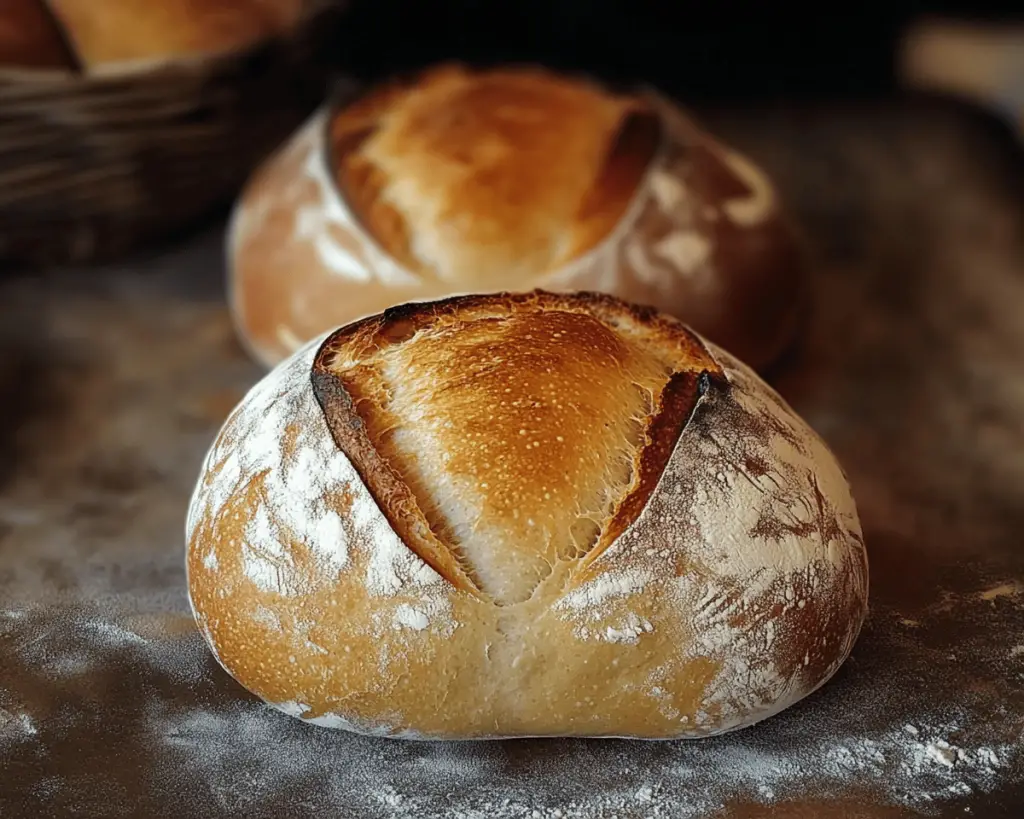
Ah, sourdough bread! Just thinking about that crusty exterior and that chewy, tangy interior makes me all warm and fuzzy inside. This recipe holds a special place in my heart because it’s not just about making bread; it’s about the process, the patience, and the love you put into it. I remember the first time I made sourdough; my kitchen was filled with the aroma of baking bread, and my family couldn’t wait to tear into it, slathering it with butter—so delicious!
What I love about sourdough is that it’s created through a natural fermentation process, which gives it that distinct flavor. Plus, there’s something so satisfying about nurturing a starter—a little pet made of flour and water that transforms into something magnificent. So, whether you’re a novice baker or a sourdough pro, let’s get our hands doughy!
What’s in Sourdough Bread?
Flour: The backbone of any bread, flour gives structure. I prefer using organic bread flour for that extra protein punch, but all-purpose flour works just fine in a pinch.
Water: This magical liquid hydrates the flour and activates the yeast in your starter. I like filtered water because chlorine can affect the fermentation process.
Sourdough Starter: The star of our show! This is a fermented mixture of flour and water that houses wild yeast and bacteria. It’s easy to create your own (I’ll guide you through that) or you can often find some local bakers who sell theirs.
Salt: Vital for flavor and controlling yeast activity. While any salt will do, I usually reach for sea salt for its minerals and taste.
Is Sourdough Bread Good for You?
Now you might be wondering, is sourdough healthy? Well, yes! Sourdough bread has some fantastic benefits.
Fermentation: The natural fermentation breaks down gluten, which can make it easier to digest for some people. This is great news if you’ve ever felt bloated after eating regular bread!
Lower Glycemic Index: It’s generally lower on the glycemic index than commercial white bread, meaning it can help keep your blood sugar stable.
Nutrients: The process of fermentation also increases the availability of certain nutrients, such as iron and zinc, which are found in whole grains.
Just keep in mind, if you’re sensitive to gluten or have celiac disease, you’ll want to steer clear of all traditional sourdough breads unless they’re made with gluten-free grains.
Ingredients for Sourdough Bread
– 500g bread flour (or all-purpose flour)
– 350g filtered water
– 100g active sourdough starter
– 10g sea salt
– (This recipe makes one large loaf, serving about 8 slices)
How to Make Sourdough Bread?
1. **Mix it Up:** In a large bowl, combine the bread flour and water. Mix until you have a shaggy dough. Cover it and let it rest for about 30 minutes. This process is called autolyse, and it helps develop the gluten.
2. **Add the Starter and Salt:** After resting, stir in the active sourdough starter and sea salt. Mix well until everything is incorporated.
3. **Bulk Fermentation:** Cover the bowl with a kitchen towel or plastic wrap and let it rise at room temperature for about 4 to 5 hours. Every 30 minutes, give the dough a stretch and fold—grab one edge, stretch it up, and fold it over to the center. Repeat this in all four directions.
4. **Shape the Dough:** After the bulk fermentation, turn the dough out onto a lightly floured surface. Shape it into a round loaf by gently tucking the edges into the center.
5. **Proofing:** Place the shaped dough into a well-floured proofing basket (banneton) or a bowl lined with a floured kitchen towel. Cover it and let it rise for about 1 to 2 hours at room temperature or overnight in the fridge for a more robust flavor.
6. **Preheat the Oven:** About 30 minutes before you’re ready to bake, preheat your oven to 450°F (232°C). If you have a Dutch oven, place it inside to heat up. This will help create steam, which is crucial for a nice crust!
7. **Score and Bake:** Carefully turn the dough out onto parchment paper. Use a sharp knife or bread lame to score the top (this is just a fancy way of saying, make a cute design). Place it inside the hot Dutch oven, cover, and bake for 30 minutes.
8. **Uncover and Finish:** After 30 minutes, remove the lid and bake for an additional 15 to 20 minutes, or until the bread is golden brown and sounds hollow when tapped on the bottom.
9. **Cooling Time:** Once baked, let it cool on a wire rack for at least an hour before slicing. Trust me, fresh bread is hard to resist, but this is essential to let the crumb set!
Let’s Make It Unique!
Feel free to get creative! You can add herbs, cheese, nuts, or even dried fruits to the dough before shaping. Want a bit more tang? Let your starter sit longer before using it. The world is your sourdough oyster!
If you give this recipe a try, I would love to hear how your bread turns out! Share your baking adventures with me, and don’t hesitate to reach out if you need any tips along the way. Happy baking, my friends!