Prep time: 20 minutes
Cook time: 30 minutes
Total time: 50 minutes
Servings: 12
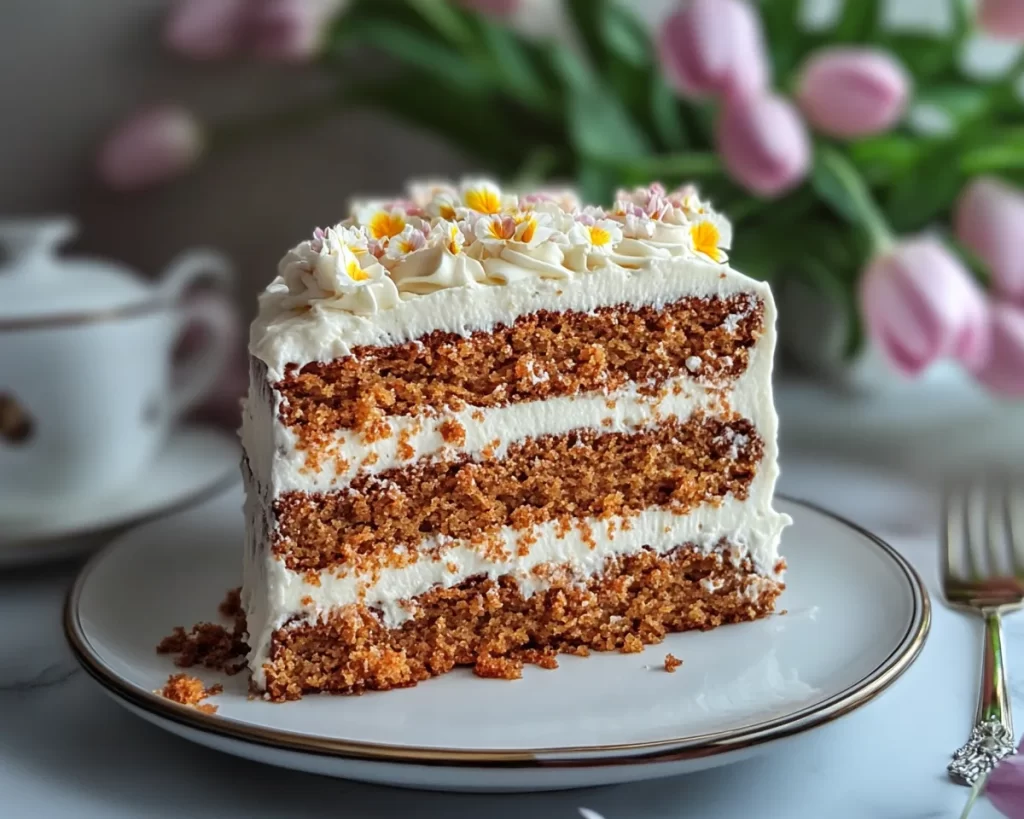
There’s something magical about springtime that stirs the senses—perhaps it’s the vibrant colors blooming around us or the delightful aroma of fresh produce. When I think of celebrating the arrival of spring, my mind immediately drifts to a luscious slice of **Spring Cake: Carrot Cake Sheet Cake**. This cake is not just any ordinary cake; it’s light, fluffy, and bursting with flavors that resonate with bright sunny days. As a home cook, I find joy in sharing this recipe, which brings comfort and happiness to so many gatherings.
This recipe stands out because it beautifully combines the warm, inviting flavors of **carrots, spices**, and a hint of **orange zest**. Simple yet sophisticated, this cake perfectly captures the spirit of spring with every bite. You’ll learn not only how to whip up this delectable cake with ease but also explore a variety of tips and essential substitutions along the way so you can customize it to your liking, whether you’re a novice in the kitchen or a seasoned pro.
What Is Spring Cake: Carrot Cake Sheet Cake (Easy)?
**Spring Cake: Carrot Cake Sheet Cake** is a delightful twist on the classic carrot cake, perfect for any informal spring gathering or even special occasions. Traditionally, carrot cakes boast dense layers adorned with rich cream cheese frosting. In contrast, this **sheet cake version** simplifies the process, allowing a moist, flavorful cake to shine in a much easier manner to prepare and serve. The **texture** is light, thanks to the incorporation of eggs and a smattering of baking powder, ensuring it rises beautifully in a rectangular pan.
The flavor profile of this cake is what truly sets it apart. The natural sweetness of **shredded carrots** combined with warm spices like **cinnamon** and **nutmeg** creates an enticing aroma in your kitchen, reminiscent of the first days of spring. And let’s not overlook the garnish possibilities with a simple **cream cheese frosting** that complements its flavors without overpowering them. Carrot cake can evoke nostalgic memories of family gatherings and festive occasions, making it a perfect choice for celebrations that call for an easy yet crowd-pleasing dessert.
Why You’ll Love This
There are countless reasons to fall in love with **Spring Cake: Carrot Cake Sheet Cake**. To start, the cake retains all the **classic carrot cake flavors** while offering a simplified preparation method, making it incredibly accessible. Even if you’re a **busy parent** or a newcomer to baking, this recipe allows you to spend time enjoying conversations while your cake bakes. Moreover, it requires affordable ingredients that you probably already have in your kitchen, ensuring you don’t break the bank while preparing an exquisite dessert.
Another noteworthy point is its versatility; this cake is **adaptable to various dietary needs**. You can easily swap out some ingredients to meet different preferences, which we’ll explore in the variations section later. And for those watching their caloric intake, this cake remains a fresh and fruity option compared to heavier desserts, making it a balanced choice for meal prep or special occasions. No more worrying about fancy pastry techniques; this cake ensures you leave the kitchen feeling accomplished and fulfilled.
Common mistakes often happen in baking when measuring ingredients incorrectly or overmixing the batter. A gentle touch is essential when combining your ingredients. This is where you want to take care and follow the recipe precisely. Familiarizing yourself with **best practices** will ensure your cake turns out consistent and delicious every time. Trust me; you can create a masterpiece with patience, practice, and the right guidance.
Ingredients You’ll Need
In this section, we’ll detail the essential ingredients needed to create your own **Spring Cake: Carrot Cake Sheet Cake**. Each component plays a crucial role in achieving that perfect balance of taste and texture.
- 2 cups all-purpose flour: This serves as the **base** for your cake, providing necessary structure. If you’re looking for a gluten-free alternative, consider using almond flour or a gluten-free baking blend.
- 2 cups granulated sugar: It sweetens the cake. You could reduce the quantity slightly or use alternatives like coconut sugar for a healthier option.
- 1 teaspoon baking powder: This is critical for the cake’s lift. Ensure it’s fresh to guarantee a good rise.
- 1 teaspoon baking soda: Another leavening agent that works in conjunction with the baking powder for height and fluffiness.
- 2 teaspoons ground cinnamon: This adds warmth. Feel free to mix in other spices like ginger or cardamom for an extra flavor boost.
- ½ teaspoon nutmeg: Elevates the spice profile; fresh nutmeg can add a more intense flavor.
- ½ teaspoon salt: Balances sweetness. It’s essential not to omit it!
- 4 large eggs: These help bind the cake together and contribute to its moistness. For a vegan alternative, **flax eggs** can be used.
- 1 teaspoon vanilla extract: This rounds out flavors; using pure vanilla is worth the difference.
- 1 cup vegetable oil: Provides moisture without transferring any strong flavor; you can substitute with **applesauce** for a lighter option.
- 3 cups grated carrots: The star ingredient! Always use fresh carrots and consider using a box grater for speed and efficiency.
- ½ cup crushed pineapple (drained): Adds natural sweetness and moisture;** be sure to drain it well to prevent excess liquid from making the batter soupy.
- ½ cup chopped nuts (optional): Pecans or walnuts can enhance texture. Omit if someone has nut allergies.
These ingredients form the backbone of your cake. Each one complements the others to create a delicious amalgamation of flavors that imbue every bite. As you gather your supplies, feel free to explore substitutions, but remember that significant alterations might affect the final outcome.
How to Make
Making the **Spring Cake: Carrot Cake Sheet Cake** is as enjoyable as eating it! Follow these simple steps to create your masterpiece.
- Preheat the oven: Begin by preheating your oven to 350°F (175°C). Proper oven temperature is key to ensuring an evenly baked cake. Allow the oven to reach the correct temperature before placing the cake inside.
- Prepare your baking pan: Grease a 9×13 inch sheet cake pan with cooking spray or butter. Using parchment paper can also assist in easy removal of your cake after baking. Make sure to line the bottom and sides well.
- Combine dry ingredients: In a large mixing bowl, whisk together the flour, baking powder, baking soda, ground cinnamon, nutmeg, and salt. Mixing these ingredients first prevents clumping and ensures even distribution throughout your batter.
- Mix the wet ingredients: In another bowl, combine the sugar, eggs, and oil, followed by the vanilla extract. Whisk until it’s creamy and smooth—it’s critical not to overmix this step to keep your cake light and fluffy.
- Combine dry and wet ingredients: Gradually add your dry mixture into the wet ingredients. Use a spatula for gentle folding. You want to mix just until there are no flour streaks visible—take care not to overdo it.
- Add carrots and pineapple: Now incorporate the shredded carrots and the drained pineapple. If you’re using nuts, fold them in last. This step enhances both the texture and flavor and helps infuse the batter with moisture.
- Pour batter into the pan: Once well-combined, pour the batter evenly into your prepared pan. Use a spatula to spread it evenly, smoothing the top for an even bake.
- Bake: Place the pan in the preheated oven and bake for 30-35 minutes, or until a toothpick inserted in the center comes out clean. Keep an eye on it as each oven may vary slightly, so check a few minutes before the said time.
- Cool the cake: After baking, remove the cake from the oven and let it sit in the pan for about 10-15 minutes before transferring it to a wire rack. This resting period allows the cake to settle and makes it easier to come out without breaking.
- Frosting your cake: Once completely cooled, feel free to frost it with your desired cream cheese frosting. The creamy texture serves as a wonderful contrast to the cake’s moist, tender crumb.
- Slice and serve: Cut your cake into squares or rectangles and serve it alongside a cup of tea or coffee. Enjoy the sweet and spiced flavors that are bound to bring smiles all around.
Each step in the process is simple yet crucial, resulting in a delightful cake. The textures and flavors meld during baking, creating an aromatic experience that will fill your kitchen with warmth. If you’re a beginner, take your time with each step, incorporating small but meaningful changes that will make the cake your own.
Variations & Substitutions
There are endless ways to make this cake uniquely yours! Here are some thoughtful variations to consider:
Vegan Variation: For those following a vegan lifestyle, simply swap out the eggs for **flax eggs** (1 tablespoon flaxseed meal mixed with 2.5 tablespoons water per egg), and use plant-based milk alternatives instead of eggs. Additionally, ensure your sugar is vegan-friendly. This variation does not compromise the wonderful taste and moist texture that a classic carrot cake offers.
Gluten-Free Variation: If you’re gluten-sensitive, using a **1-to-1 gluten-free flour blend** will work perfectly. Brands like Bob’s Red Mill or King Arthur Flour offer excellent blends that can be substituted with little fuss. Just be careful to follow the mix ratios as provided on the packaging, as they may vary. The final product will remain deliciously moist and flavorful.
Carrot-Apple Combination: Adding a 1 cup of finely grated **apple** can enhance the sweetness and add a refreshing hint of fruity flavor in the cake. The added apple will also help maintain moisture, allowing the cake to remain fluffy. This combination is perfect for those who enjoy slight variations on traditional recipes.
Nut-Free Version: For those with nut allergies or preferences against nuts, simply omit the nuts altogether. You might consider adding an extra ½ cup of shredded carrots or even shredded coconut instead. The latter will provide an interesting texture and subtly sweet flavor without introducing any allergens.
Spiced Variation: If you’re a fan of bold flavors, consider incorporating various spices. Adding a teaspoon of ginger or even a pinch of **cardamom** will lend additional warmth and depth to your cake. This variation is perfect for enhancing the spring flavor while offering a delightful taste twist.
These variations allow you to tailor the cake to fit dietary preferences and explore differing flavors. Don’t hesitate to experiment, as it’s a great way to create memories through food while satisfying different palates.
Common Mistakes to Avoid
Even seasoned bakers can face potholes along the road to baking perfection. Here are some common mistakes to watch out for:
Using stale ingredients: Baking is a science, and utilizing ingredients like baking powder or flour that have expired will lead to unsatisfactory results. Always check expiration dates before using any leavening agents, as their effectiveness directly correlates to how well your cake rises.
Overmixing the batter: This is a prevalent mistake, especially for newbies. When flour is mixed excessively, gluten formation increases, resulting in a dense cake rather than a light one. Mix just until the dry ingredients are no longer visible.
Ignoring ingredient temperature: Your eggs and other refrigerated items should ideally be at room temperature to emulsify properly. This ensures your cake maintains a fluffy texture. Take the time to let cold ingredients sit out for a few minutes before mixing.
Baking at an incorrect temperature: Always preheat your oven adequately. Baking at too low a temperature results in a cake that doesn’t cook through, while a too high temperature may lead to a burnt exterior and raw interior. Make good use of an oven thermometer to get accurate readings if necessary.
These points offer insight into potential obstacles in the cake-making journey, but rest assured, they can be easily navigated with a little attention and care.
Storage, Freezing & Reheating Tips
To ensure that your **Spring Cake: Carrot Cake Sheet Cake** remains fresh and delicious, follow these storage guidelines:
– **At room temperature:** Once fully cooled, your cake can be kept at room temperature for 2-3 days if covered. Use a cake dome or plastic wrap to retain moisture and prevent it from drying out.
– **In the refrigerator:** For an extended shelf life, refrigerate the cake in an airtight container. Properly covered, it can last up to a week. However, the cream cheese frosting may become firmer in the fridge; consider bringing the cake to room temperature before serving.
– **Freezing the cake:** If you have leftovers or wish to prep in advance, feel free to freeze the cake! Make sure it is well wrapped in plastic or aluminum foil. It can last for up to three months in the freezer. When ready to enjoy, thaw it in the refrigerator overnight, and allow it to come to room temperature before serving.
– **Reheating tips:** If you want to serve a slice warm, simply pop it in the microwave for about 10-15 seconds. This will bring back that deliciously tender texture without overcooking it.
Keeping these tips in mind ensures you’re well-equipped for enjoying your delicious cake days after it’s been baked. It remains crucial to prioritize food safety practices, especially when handling items with cream cheese frosting.
Frequently Asked Questions
Can I make this cake ahead of time?
Absolutely! The **Spring Cake: Carrot Cake Sheet Cake** can be baked a day in advance. Store it in an airtight container in the refrigerator until it’s time to serve. If frosting, it’s best to frost shortly before serving, but the unfrosted cake holds up well for a day or two.
What can I substitute for carrots in this recipe?
If you don’t have carrots on hand or prefer an alternative, you could use finely grated **zucchini**. It has a similar moisture content and can add a slight twist in flavor without compromising the cake’s integrity. Just be sure to squeeze out the excess moisture!
Is this cake suitable for toddlers or young children?
Yes, this cake is a great option for toddlers! It’s naturally sweet, and the texture is ideal for small mouths. Always avoid any additional high-sugar toppings and monitor serving sizes. You can adjust sweetness by reducing sugar or using fruit purees for additional natural sweetness.
Can I use a different type of frosting?
Certainly! While cream cheese frosting is a classic companion to carrot cake, you could explore alternatives like a light whipped cream or even a flavored buttercream. Coconut or orange-flavored frostings would pair beautifully with the spice notes in the cake!
How do I know when the cake is done?
The best way to check if your cake is done is through the toothpick test. Insert a toothpick into the center of the cake, and it should come out clean or with a few moist crumbs. If the toothpick comes out with wet batter sticking to it, give it a few more minutes in the oven!
Conclusion:
The **Spring Cake: Carrot Cake Sheet Cake** is a delightful celebration of flavors and an easy recipe that anyone can master. It brings a nostalgic touch, whether it’s for a spring gathering, a birthday, or simply a joyous weekend treat. Don’t hesitate to customize this cake based on your preferences; the opportunities to experiment are endless! I encourage you to put on your apron, gather your ingredients, and bring this cheerful recipe to life in your own kitchen. Your friends and family are sure to appreciate it, and you might just find that it becomes a springtime tradition you look forward to year after year.