Prep time: 10 minutes
Cook time: 25 minutes
Total time: 35 minutes
Servings: 8
Spring is one of the most beautiful seasons, and what better way to celebrate it than with a delightful Spring Cake: Lemon Drizzle Layer Cake? This cake is not only quick to make but also bursting with zesty lemon flavor that instantly brightens up any occasion. Picture soft and fluffy layers of cake drizzled with a tangy lemon glaze that harmonizes perfectly with the cake’s sweetness. Perfect for a family gathering, a spring picnic, or simply a treat for yourself, this recipe is designed with busy people in mind, allowing you to create something delicious without spending all day in the kitchen.
What Is Spring Cake: Lemon Drizzle Layer Cake in 35 Minutes?
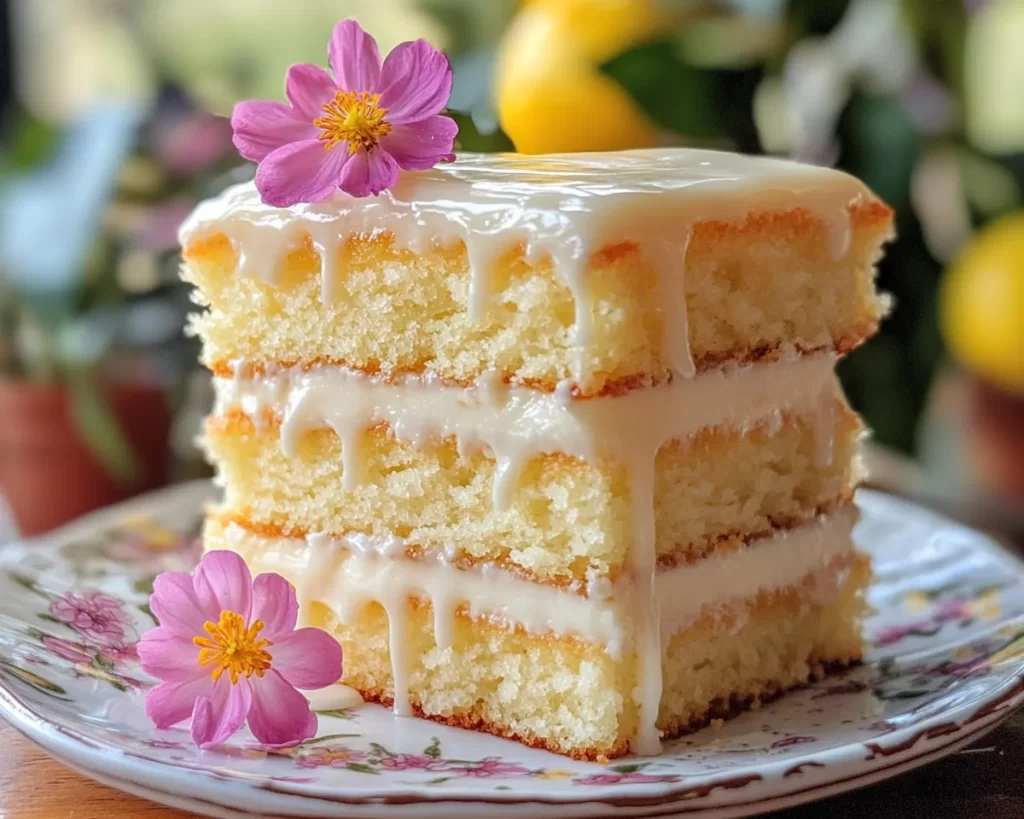
Spring Cake is a moist, lemon-flavored cake that features multiple layers, each drizzled with a refreshing lemon glaze. It is specifically crafted to be prepared in just 35 minutes, making it an excellent choice for those who may not have a lot of time but still want to enjoy homemade goodness. The combination of lemon zest and juice adds a refreshing twist to the traditional layer cake, making it a delightful dessert option.
Why You’ll Love This
You’ll love this cake for several reasons. First, it’s incredibly quick and easy to prepare, which is ideal for busy parents or those new to baking. The layering of the cake adds an impressive touch without necessitating advanced baking skills. Additionally, it’s versatile—you can serve it at a birthday party, a spring gathering, or even a simple family dinner. The bright and cheerful lemon flavor will certainly lift spirits and evoke memories of sunny days. Furthermore, this cake is adaptable: if you’re conscious about health, you can reduce the sugar or try alternatives to make it a guilt-free indulgence.
Ingredients You’ll Need
- 2 cups all-purpose flour: Forms the base of your cake, giving it structure and texture.
- 1 ½ cups granulated sugar: Adds sweetness to the cake; it can be adjusted to taste.
- 1 cup unsalted butter, softened: Contributes to the rich flavor and moisture.
- 4 large eggs: Helps bind the ingredients together and adds fluffiness.
- 1 cup buttermilk: Keeps the cake moist and adds a slight tang that complements the lemon.
- Zest of 2 lemons: Adds a concentrated lemon flavor that enhances the cake.
- ½ cup fresh lemon juice: Provides the tanginess that makes this cake refreshing.
- 2 teaspoons baking powder: Responsible for the cake’s rise and softness.
- 1 teaspoon baking soda: Works together with the buttermilk to create a fluffy texture.
- 1 teaspoon vanilla extract: Enhances the overall flavor of the cake.
How to Make
- Preheat your oven to 350°F (175°C). Prepare two 9-inch round cake pans by greasing them and lining the bottoms with parchment paper. This ensures easy removal of the cakes after baking.
- In a large mixing bowl, cream together the softened butter and granulated sugar until light and fluffy. This may take about 3-5 minutes, and you should see the mixture turn a pale yellow color. The fluffiness is crucial for a light texture.
- Add the eggs one at a time, mixing well after each addition. This helps incorporate air and keeps your cake from being dense. Next, mix in the vanilla extract and lemon zest for an aromatic infusion.
- In a separate bowl, whisk together the flour, baking powder, baking soda, and a pinch of salt. Then, slowly add the dry ingredients to the wet mixture, alternating with the buttermilk. Start and end with the flour mixture to maintain a smooth batter.
- Once combined, pour in the fresh lemon juice and mix until just combined. Overmixing can lead to a dense cake, so be gentle! The batter should be slightly thick and creamy.
- Divide the batter evenly between the prepared cake pans and smooth the tops with a spatula. Bake in the preheated oven for 25 minutes or until a toothpick inserted in the center comes out clean.
- Once done, let the cakes cool in the pans for about 10 minutes before transferring them to a wire rack to cool completely. This step is essential to prevent sogginess.
- While the cakes are cooling, prepare the lemon glaze by mixing powdered sugar, lemon juice, and a touch of lemon zest. Adjust the consistency by adding more sugar or juice as needed until it reaches a drizzling consistency.
- Once the cakes are fully cooled, place one layer on a serving plate, drizzle a portion of the lemon glaze over it, and then carefully place the second layer on top. Finish by generously drizzling the remaining glaze over the top of the cake, allowing it to drip down the sides.
- Your Spring Cake is now ready to be enjoyed! Cut it into generous slices and watch everyone marvel at your handiwork.
Variations & Substitutions
Gluten-Free Version: If you’re looking for a gluten-free option, you can substitute all-purpose flour with a gluten-free flour blend. Ensure the blend you choose contains xanthan gum to help mimic the texture of gluten. Also, check that other ingredients, like baking powder and vanilla extract, are gluten-free certified. The flavor and texture will still be delightful, making it suitable for everyone.
Berry Addition: To add a fruity twist, consider adding mixed berries—like raspberries or blueberries—between the cake layers. This not only enhances the flavor but also lends a visually appealing contrast to the yellow cake. Simply fold in about 1 cup of fresh or frozen berries into the batter right before pouring it into the pans for baking.
Vegan Option: For a vegan version, substitute eggs with flaxseed meal (1 tablespoon of flaxseed meal mixed with 2.5 tablespoons of water equals one egg). Use coconut oil or any plant-based butter for the fat component and replace buttermilk with almond milk mixed with a teaspoon of vinegar. This way, you maintain the moistness and zestiness of the cake without using animal products.
Common Mistakes to Avoid
Overmixing the Batter: One of the biggest mistakes you can make is overmixing your batter, which can result in a tough cake. Mix only until the ingredients are just combined—it should be smooth but still have a few lumps.
Not Measuring Ingredients Accurately: Baking is a science, and using too much or too little of an ingredient can alter the final result. Always use proper measuring cups for dry and wet ingredients, and consider weighing your ingredients if possible for precision.
Skipping the Cooling Step: Patience is key! If you remove the cakes from the pans too early or don’t allow them to cool completely, they can crumble or become soggy. Always let them cool for at least 10 minutes in the pan and then transfer them to a wire rack.
Storage, Freezing & Reheating Tips
To store the Spring Cake, cover it tightly with plastic wrap or store it in an airtight container at room temperature for up to 3 days. If the cake has been frosted, refrigeration is advisable to prevent spoilage. For longer storage, you can freeze the cake. Wrap it well in plastic wrap first, then place it in a freezer-safe bag to avoid freezer burn. It can be frozen for up to three months. When you’re ready to enjoy it, thaw it in the refrigerator overnight.
When reheating, if the cake is already frosted, simply let it come to room temperature before serving. If not frosted, you can quickly warm individual slices in the microwave for about 10-15 seconds—just enough to bring back its soft texture.
Frequently Asked Questions
Can I use bottled lemon juice instead of fresh?
While bottled lemon juice is convenient, using fresh lemons offers a significantly more vibrant flavor. Fresh juice has a brightness that bottled versions may lack due to pasteurization. When making a lemon drizzle cake, fresh is truly best. If unavailable, as a last resort, bottled juice can work in a pinch, but the taste might not be as pronounced.
How can I tell when the cake is done?
To check if your cake is done, insert a toothpick or a cake tester into the center of the cake. If it comes out clean or with a few crumbs attached, your cake is ready. Additionally, the edges should pull slightly away from the sides of the pan. Visual cues, like the top being golden brown, also indicate doneness.
Why is my cake sinking in the middle?
A sinking middle usually indicates that the cake was underbaked or the oven temperature was too low. Make sure to have your oven calibrated and do not open the oven door too frequently while baking. Always bake for the full time recommended and perform the toothpick test before removing the cake.
Can I add more lemon zest for extra flavor?
Absolutely! If you love a strong lemon flavor, consider increasing the lemon zest to three lemons. It will enhance the cake’s freshness and make every bite taste more vibrant. Just be cautious of the balance as too much zing can also overwhelm the sweetness.
How should I serve the Spring Cake?
This cake can be served as is, or you can pair it with whipped cream, fresh berries, or even a dollop of lemon curd for added richness. It’s great as a stand-alone dessert or can complement a light tea.
Conclusion:
Baking doesn’t have to be a time-consuming endeavor, and this Spring Cake: Lemon Drizzle Layer Cake proves just that. With simple ingredients and a few easy steps, you’ll end up with an eye-catching cake that tastes just as good as it looks. This recipe will not only satisfy your sweet cravings but also impress your family and friends. So why not bring a slice of spring to your table today?