Prep time: 20 minutes
Cook time: 30 minutes
Total time: 50 minutes
Servings: 8
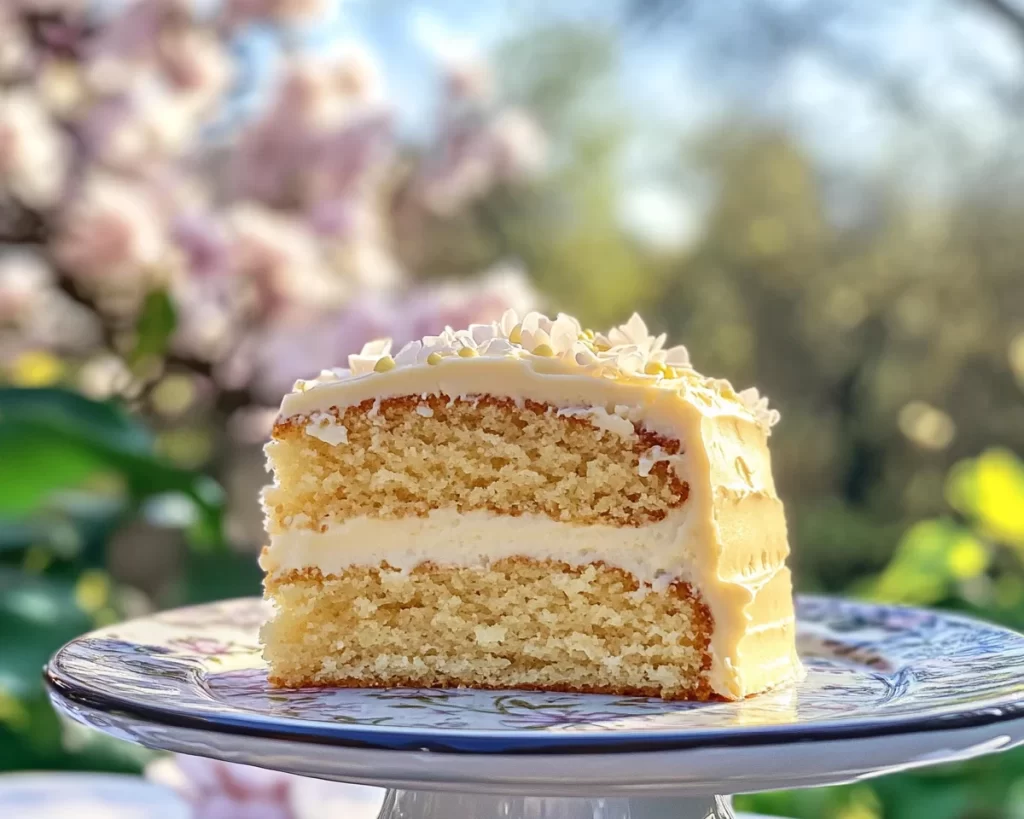
Spring is a season that brings joy and rejuvenation, a perfect time for light, airy desserts that reflect the beauty of blooming flowers and sunny days. One such delightful treat is the Spring Cake, specifically a Simple Vanilla Spring Cake. Imagining this cake evokes visions of fluffy layers, adorned with soft frosting and perhaps a sprinkling of colorful edible flowers. This cake not only captivates the eyes but also the palate, making it an ideal centerpiece for spring gatherings, birthday celebrations, or simply a sweet treat on a lazy afternoon.
What makes this recipe unique is its simplicity; even amateur bakers will find themselves succeeding with this delightful cake. You’ll learn how to create a fluffy vanilla cake with just a few ingredients, alongside tips and variations that cater to different tastes and dietary needs. Prepare for a delightful sensory experience as you bake, taste, and share this scrumptious dessert with loved ones!
What Is Spring Cake: Simple Vanilla Spring Cake?
The Spring Cake, particularly the Simple Vanilla Spring Cake, is a classic dessert that embodies the essence of springtime. Originating from traditional baking practices, this cake is known for its moist and airy structure. It’s often made with basic pantry ingredients, ensuring that anyone can whip it up without the need for any fancy techniques. The texture is soft and fluffy, providing a delightful bite that contrasts beautifully with a creamy frosting.
Flavor-wise, the Simple Vanilla Spring Cake is rich yet subtle. The delicate notes of vanilla shine through, allowing for other accompaniments—like fruits or flavored creams—to complement rather than overpower. This makes it not only versatile but also a canvas for your creativity. Whether you decide to pair it with fresh strawberries or drizzle it with a tart lemon glaze, each variation promises to infuse this delightful cake with unique tastes and experiences.
In addition to its delectable flavor and texture, the recipe is approachable and encourages experimentation, making it an excellent choice for those venturing into the world of baking. You can easily adapt it to fit seasonal ingredients or your personal preferences, making it the perfect cake for any spring occasion.
Why You’ll Love This
There are multiple reasons why the Simple Vanilla Spring Cake will win your heart. First, its taste is simply irresistible; the fluffy texture and the rich vanilla flavor create a mouthwatering experience with each bite. You can also enjoy the ease it offers; with a handful of simple ingredients and straightforward steps, you’ll find happiness in your kitchen, even if you are a beginner.
Budget-wise, this recipe is economical. You likely already have most of the ingredients in your pantry. The versatility of this cake allows it to shine in various settings, whether you’re hosting a spring brunch or celebrating a birthday. You can easily personalize the decoration or flavoring choices to cater to the guest of honor.
Many people think baking is complicated, but this cake proves otherwise. With the right approach and a bit of patience, anyone can master this recipe without fear of failure. It’s ideal for busy parents looking to whip up something special for their family, or for novice bakers wanting to impress their friends at gatherings. By mastering the Simple Vanilla Spring Cake, you establish not just a recipe but also a tradition of sweet moments and delicious memories.
Ingredients You’ll Need
- All-purpose flour: 2 cups
- Granulated sugar: 1 cup
- Baking powder: 2 teaspoons
- Salt: 1 teaspoon
- Unsalted butter: 1/2 cup, softened
- Eggs: 3 large
- Milk: 1 cup, at room temperature
- Vanilla extract: 1 tablespoon
- Powdered sugar: for frosting
- Heavy cream: for frosting
Each ingredient plays a vital role in creating the perfect cake. The all-purpose flour provides structure, while granulated sugar is essential for sweetness and moisture. Baking powder acts as the leavening agent, ensuring that the cake rises beautifully. Salt enhances the flavors, making the sweetness more pronounced.
Using unsalted butter allows you to control the saltiness of your cake, contributing to a rich flavor profile. Eggs act as the binding agent, giving the cake its structure and richness. Milk adds moisture, while vanilla extract infuses it with an aromatic quality that is unmistakably comforting.
For frosting, you can use powdered sugar and heavy cream to create a silky-smooth finish. If you’re looking for alternatives, consider using cream cheese or Greek yogurt for a tangy twist.
How to Make
- Preheat your oven to 350°F (175°C). Generously grease two 9-inch round cake pans with butter and dust with flour to prevent sticking. This step is crucial for a clean release; you do not want your hard work to go to waste.
- In a large mixing bowl, sift together the all-purpose flour, granulated sugar, baking powder, and salt. Make sure there are no lumps and that everything is well combined. This helps ensure an even rise throughout the cake.
- Now, add the softened unsalted butter to the dry ingredients. Using a hand mixer or a stand mixer fitted with a paddle attachment, mix on medium speed until the mixture resembles coarse sand. This is the moment where the butter starts to contribute creaminess to your cake.
- Next, add the eggs, milk, and vanilla extract to the bowl. Mix on medium speed until everything is combined and the batter is smooth and fluffy. You should see tiny air bubbles forming; this means you are on the right track.
- Divide the batter evenly between the prepared cake pans. Use a spatula to spread it evenly, ensuring the tops are smooth. This is crucial for an aesthetically pleasing layer later on.
- Bake in the preheated oven for about 25–30 minutes. To test for doneness, use a toothpick inserted into the center; it should come out clean or with a few crumbs attached. Make sure to check early to avoid overbaking.
- Once baked, remove the pans from the oven and allow them to cool for about 10 minutes before inverting them onto wire racks. This cooling period is essential for maintaining moisture in the cake.
- While the cakes cool, prepare your frosting. In a mixing bowl, combine powdered sugar with heavy cream, whisking until you achieve your desired consistency. You may also add a bit of vanilla extract for extra flavor.
- After the cakes are completely cool, place one layer on a serving platter. Spread a generous layer of frosting on top, then place the second layer on top of that. Frost the top and sides of the cake evenly, creating a lovely finish.
- For an extra touch, garnish with seasonal fruits or edible flowers. Your Simple Vanilla Spring Cake is ready to impress!
Each step is designed to guide you through the baking process, allowing you to develop familiarity and confidence as you craft your cake.
Variations & Substitutions
Citrus Spring Cake: Instead of using vanilla extract, add the zest and juice of one lemon or orange for a zesty twist. This variation brings brightness to the cake, making it perfect for a sunshiny day. The citrus flavor pairs beautifully with lighter frostings, such as whipped cream or citrus-infused buttercream. This option is especially loved by those who appreciate a tangy flavor profile.
Chocolate Spring Cake: If you or your guests are chocolate enthusiasts, consider folding in half a cup of cocoa powder into the flour mixture. This will create a rich, moist chocolate cake that still possesses the fluffy lightness typical of a spring cake. Top it with chocolate ganache or whipped chocolate frosting for added decadence, and you will have a showstopper at any gathering.
Gluten-Free Spring Cake: You can easily transform this recipe into a gluten-free version by substituting all-purpose flour with a 1:1 gluten-free baking blend. Ensure that the blend contains a binding agent such as xanthan gum. This allows those with gluten sensitivities to enjoy a delicious cake without compromising on flavor or texture.
Dairy-Free Spring Cake: For those avoiding dairy, replace the milk with almond, soy, or oat milk and use dairy-free butter. Not only does this substitution maintain the cake’s moisture, but it also allows lactose-intolerant individuals to savor this delightful dessert. Just be cautious about taste; each alternative milk will offer a slightly different flavor.
Vegan Spring Cake: To create an entirely vegan version, substitute eggs with flaxseed meal mixed with water or unsweetened applesauce. You can also employ the aforementioned dairy-free alternatives for milk and butter. Ensure that your frosting is also vegan by using plant-based powdered sugar and cream. The result will be a moist, delicious cake that surprises everyone with its texture and flavor.
Each variation offers a unique take on the Simple Vanilla Spring Cake, allowing you to cater to diverse tastes and dietary needs, ensuring that everyone can relish a slice.
Common Mistakes to Avoid
Baking can be a precise science, and there are several common pitfalls that can affect the outcome of your Spring Cake. One frequent mistake is overmixing the batter. While you want to combine the ingredients, overmixing can lead to dense and tough cake rather than the airy texture you desire. Be sure to mix just until everything is incorporated for that light and fluffy result.
Another common error is not measuring your ingredients accurately. Using dry measuring cups for liquid ingredients or vice-versa can throw off the proportions, negatively impacting your cake’s texture. Always use the right measuring tools as specified in the recipe to ensure success.
Additionally, not preheating your oven sufficiently can hinder the rise of your cake. Ensure your oven is fully heated to the necessary temperature before placing your batter inside. This step is crucial for proper baking, as the first burst of heat helps create the light, airy texture.
Lastly, forgetfulness regarding cooling periods can damage the cake. Rushing to frost a warm cake can result in melting frosting or a disheveled presentation. Allowing your cake to cool completely before frosting guarantees a beautiful finish.
By staying aware of these potential pitfalls, you can ensure that your Spring Cake turns out perfectly every time.
Storage, Freezing & Reheating Tips
Proper storage is key to maintaining the freshness and flavor of your Simple Vanilla Spring Cake. If you plan to consume it within a few days, simply cover the cake with plastic wrap or place it in an airtight container at room temperature. This will help retain its moisture and prevent it from drying out. If the weather is warm or humid, refrigerate to keep it fresh for a longer period.
For extended storage, you can freeze your cake. Make sure to bake and cool it completely before wrapping it tightly in plastic wrap and aluminum foil. Properly stored, your Spring Cake can last in the freezer for up to three months. When you’re ready to enjoy it, simply transfer the cake to the refrigerator to thaw overnight.
If you wish to serve leftover cake and want to refresh it, you can reheat individual slices in a microwave for about 10–15 seconds. This will help regain some of that fresh-from-the-oven feel. Just be careful not to overheat, or the cake will become dry.
When storing frosting, keep it in an airtight container in the refrigerator for up to a week, or you can freeze it for up to a month. Be sure to allow it to come to room temperature and re-whip before use.
By following these guidelines, you can enjoy your Spring Cake long after it has been baked, savoring every last crumb.
Frequently Asked Questions
Can I make this cake ahead of time? Yes, you can definitely prepare this cake ahead of time! Bake and cool it a day in advance, then store it covered at room temperature. If you prefer, you can also freeze the cake layers for up to three months. Thaw them overnight in the refrigerator before decorating.
What can I use instead of vanilla extract? If you find yourself without vanilla extract, consider using almond extract for a different flavor dimension. You can also use maple syrup or even a splash of rum for an interesting twist. Just remember that the flavor will differ slightly, so adjust your taste expectations accordingly.
Why did my cake not rise? One common reason for cakes not rising is expired baking powder. Always check the date and consider replacing it if it’s old. Another cause could be overmixing, which deflates the batter. Remember, you want to mix until just combined for optimal results.
Can I use flavored soda in this recipe? Absolutely! Using flavored soda, such as lemon-lime or even root beer, can add a unique twist to your Spring Cake. Just replace the milk with the soda, and you may need to adjust the sugar to maintain balance.
How do I make my cake extra moist? To ensure your cake is moist, consider adding a small amount of sour cream or yogurt to the batter. Alternatively, you can substitute half of the sugar with brown sugar for added moisture. Using oil instead of butter is another effective method to keep your cake soft and tender.
Conclusion:
The Simple Vanilla Spring Cake is more than just a recipe; it is a canvas for creativity, joy, and shared memories. From its fluffy texture to the aromatic taste of vanilla, every bite offers a slice of happiness. The versatility and simplicity of this cake make it an ideal choice for both novice bakers and seasoned ones alike. I encourage you to try your hand at this delightful dessert, experiment with variations and share it with your loved ones. Your kitchen will soon be filled with laughter and the lovely aroma of freshly baked cake — a celebration instilling love and tradition in every bite.