Prep time: 15 minutes
Cook time: 30 minutes
Total time: 45 minutes
Servings: 4
Are you looking for a vibrant dish that captures the essence of spring? The Mediterranean Bowl with Lemon Dressing is a splendid choice, combining fresh vegetables, hearty grains, and zesty dressing that elevates your dinner experience. Imagine a bowl brimming with colorful ingredients that not only satisfy your hunger but also nourish your body with essential nutrients. This recipe is special not only for the burst of flavors it provides but also because it is a customizable dish where you can throw in your favorite ingredients. In this article, I’ll share insights into the preparation, cooking, and several variations to suit your taste preferences.
What Is Spring Dinner Ideas: Mediterranean Bowl with Lemon Dressing?
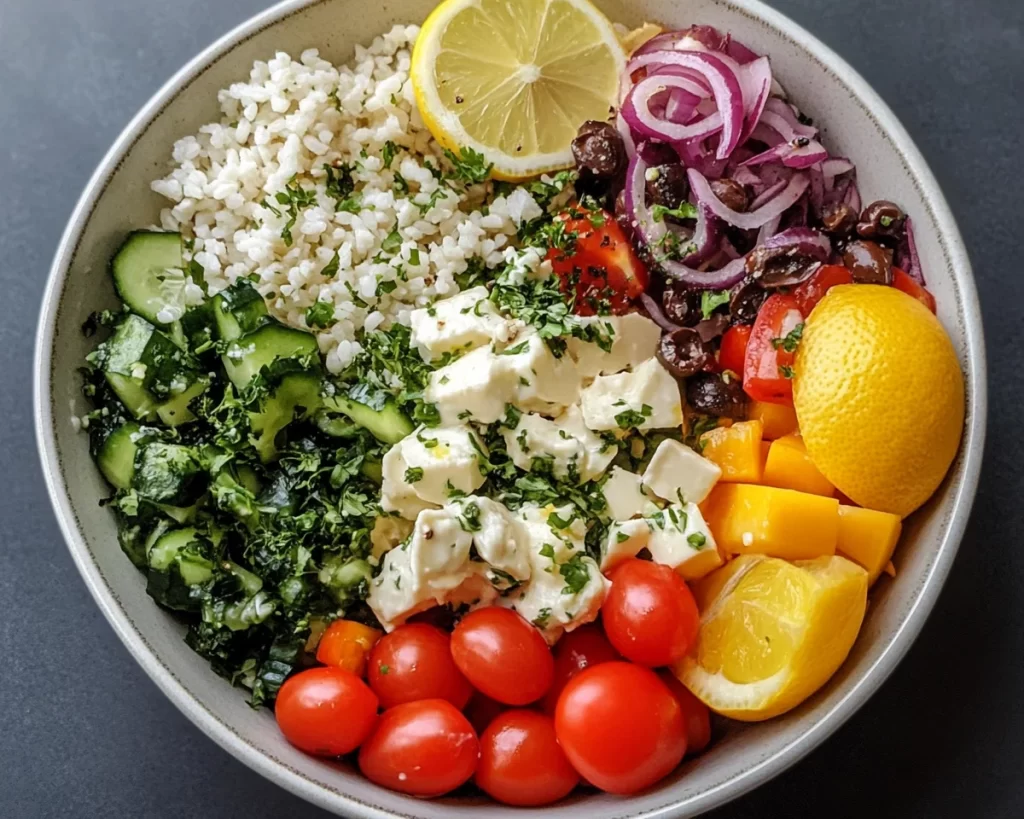
The Mediterranean Bowl with Lemon Dressing is more than just a meal; it’s a celebration of fresh, wholesome ingredients. This dish originates from the rich culinary traditions of the Mediterranean region, known for its reliance on fresh vegetables, grains, beans, and healthy fats. The textures are varied from the crunch of fresh vegetables to the creaminess of feta cheese, all brought together by the bright, zesty lemon dressing.
Each bite offers a delightful interplay of flavors; the earthiness of chickpeas, the crispness of arugula, and the refreshing pop from cherry tomatoes create a perfect harmony. With lemon juice, olive oil, and a hint of garlic, the dressing adds a bright accent that ties the whole dish together. From busy families looking for a quick and healthy meal to individuals keen on meal prep, this bowl caters to everyone. The light yet filling nature makes it ideal for those warm spring evenings when you want to dine al fresco.
Why You’ll Love This
There are countless reasons why you’ll fall in love with this Mediterranean Bowl with Lemon Dressing. First and foremost, the taste is absolutely divine. The freshness of the ingredients brings out a flavor profile that sings with every mouthful. You can enjoy the crispy vegetables, tender grains, and the punchy lemon dressing, making it a complete feast for your palate.
In terms of ease, this recipe simplifies the dinner-making process. With a handful of steps and no advanced cooking techniques required, it’s perfect for beginners. You can prepare everything within 45 minutes, making it an accessible option for busy people seeking a nutritious meal.
Cost-wise, this dish uses budget-friendly ingredients such as grains, legumes, and seasonal vegetables. Plus, it’s versatile: by substituting a single ingredient, you can change the entire flavor profile to make it suit your mood or dietary needs. Finally, the health benefits are plenty; this bowl is loaded with vitamins, proteins, and healthy fats, making it not only tasty but also nutritious.
Ingredients You’ll Need
- 1 cup quinoa: A gluten-free grain that adds protein and fiber.
- 1 can of chickpeas (15 oz), drained and rinsed: Rich in protein and adds a nice texture.
- 1 cup cherry tomatoes, halved: These provide sweetness and a juicy burst.
- 1 cucumber, diced: Adds crunch and freshness.
- 1 avocado, diced: A source of healthy fats and creamy texture.
- 2 cups arugula or spinach: Leafy greens that are packed with nutrients.
- ½ cup feta cheese, crumbled: This adds a salty, tangy flavor.
- ½ cup olives, sliced: Black or green, olives will enhance the Mediterranean flavors.
- 1 lemon, juiced: Fresh lemon juice is essential for the zesty dressing.
- ¼ cup olive oil: The base of the dressing that adds richness.
- 2 cloves garlic, minced: For an aromatic kick in the dressing.
- Salt and pepper to taste: Simple seasoning enhances the overall flavor.
Understanding each ingredient’s role can help you make informed substitutions or adjustments. For example, you can replace quinoa with brown rice or couscous if you prefer. Feel free to omit feta cheese for a vegan version or swap chickpeas for black beans. Always remember to opt for seasonal veggies, as they improve taste while being economical.
How to Make
1. Start by cooking the quinoa. Rinse 1 cup of quinoa under cold water to remove the bitterness. In a medium saucepan, combine the rinsed quinoa with 2 cups of water. Bring to a boil, then reduce the heat to a simmer, cover, and let it cook for 15 minutes. The quinoa is done when all the water is absorbed and the grains are fluffy. Remove from heat and let it sit covered for 5 minutes.
2. While the quinoa is cooking, prepare the vegetables. Halve 1 cup of cherry tomatoes, dice 1 cucumber, and chop the arugula or spinach. The key here is to make sure the vegetables are fresh. Crunchy cucumbers paired with sweet tomatoes make for an excellent base.
3. After the quinoa sits, fluff it with a fork and transfer it to a large bowl. Add the chopped veggies—tomatoes, cucumbers, and greens—into the bowl with the quinoa.
4. Next, prepare the lemon dressing. In a small bowl, whisk together the juice of 1 lemon, ¼ cup of olive oil, and minced garlic. Season with salt and pepper to taste. The dressing is crucial—it not only adds flavor but also helps merge all the ingredients, balancing the dish beautifully.
5. Pour the lemon dressing over the quinoa and vegetables. Gently toss everything together until well combined. This is where the magic happens: the metal bowl can help as a vessel for tossing without spilling.
6. Finally, fold in the chickpeas, avocado, feta cheese, and olives. Be gentle while mixing to maintain the integrity of the avocado. This step brings together all the flavor profiles: creamy, crunchy, tangy, and savory.
7. Let the bowl sit for about 10 minutes before serving. This allows flavors to meld beautifully. Serve at room temperature or chilled, depending on your preference. The aroma will draw everyone in, making it hard to resist digging in.
Variations & Substitutions
Vegan Option: If you’re looking to keep this dish plant-based, simply omit the feta cheese or replace it with a vegan cheese alternative. You can also add nutritional yeast for a cheesy flavor while keeping it vegan. Consider garnishing with roasted pumpkin seeds or nuts for added protein and crunch.
Grain-Free Variation: If you are following a grain-free diet, you can substitute quinoa with cauliflower rice. Grate or process cauliflower in a food processor until it resembles rice. Sauté lightly in olive oil for about 5 minutes to bring out its flavor and texture. This will lower the overall carb count while still delivering a tasty meal.
Protein Boost Option: For those looking to increase the protein content, consider adding grilled chicken, shrimp, or even some toasted chickpeas. These additions offer a delightful way to vary your protein sources, making the meal even heartier without overwhelming the fresh flavors.
Spicy Mediterranean Bowl: If you enjoy a touch of heat, consider adding sliced jalapeños or a sprinkle of red pepper flakes to your dressing. You can also toss in some spicy marinated artichokes or sriracha for a kick that elevates the dish.
Seasonal Twist: Tailor this recipe to the seasons by swapping out the vegetables. In summer, use fresh corn and bell peppers; in fall, add roasted butternut squash and kale. These adjustments not only diversify flavors but also celebrate the beauty of eating what’s currently in season.
Common Mistakes to Avoid
One common mistake is undercooking the quinoa. Always rinse it and ensure it simmers long enough to fully absorb water. Not using enough water can result in crunchy grains. Additionally, another mistake is skimping on salt in the dressing, which can leave the entire dish flat. Always taste and adjust accordingly!
Also, be cautious not to overmix the ingredients, especially after adding the avocado. Gently folding is key to maintaining the integrity of the avocado’s texture. Finally, using bottled lemon juice instead of fresh lemon can severely diminish the dish’s brightness. Always go for fresh for that vibrant zing!
Storage, Freezing & Reheating Tips
When it comes to leftovers, store the Mediterranean Bowl in an airtight container in the refrigerator. This meal is good for about 3–4 days. If you notice the arugula or spinach wilting, remember that you can always repurpose leftovers into a delicious wrap or a grain bowl.
For long-term options, you can freeze the cooked quinoa and chickpeas separately. However, be aware that once thawed, the textures might change a bit and may not be as crispy or fresh. It’s best to enjoy this dish when made fresh, but do not hesitate to get creative with the leftovers!
When reheating, it’s often best to warm it gently on the stove to maintain the flavors without cooking out the freshness. You might also consider cold serving options, as the dish can also be great straight from the fridge on hot summer days.
Frequently Asked Questions
Can I prepare this dish in advance?
Absolutely! This Mediterranean Bowl can be prepared a day ahead. Just keep the dressing separate until you’re ready to serve to maintain the freshness of the vegetables.
What can I use instead of quinoa?
You can substitute quinoa with brown rice, couscous, or even cauliflower rice for a grain-free option. Each alternative will lend a different texture and flavor, catering to your preferences.
Is this dish suitable for meal prep?
Yes, this Mediterranean Bowl is perfect for meal prep! You can portion out the servings in airtight containers, making it easy to grab and go during busy weekdays.
Can I add other protein sources to this bowl?
Certainly! You can include grilled chicken, shrimp, or tofu for added protein. These options will enhance the dish while still aligning with the Mediterranean theme.
How do I make this bowl gluten-free?
This recipe is inherently gluten-free as long as you use gluten-free grains like quinoa. Always check labels for any processed ingredients to ensure they meet gluten-free standards.
Conclusion:
In summary, the Mediterranean Bowl with Lemon Dressing is a dish that encompasses everything wonderful about spring dining. With its vibrant ingredients, nutritional benefits, and customizable nature, it truly caters to various dietary preferences. I encourage you to try this recipe, experiment with your favorite ingredients, and enjoy the delightful flavors that come to life in every bite. Remember, cooking is not just about following a recipe—it’s about bringing joy and nourishment to your table. Happy cooking!