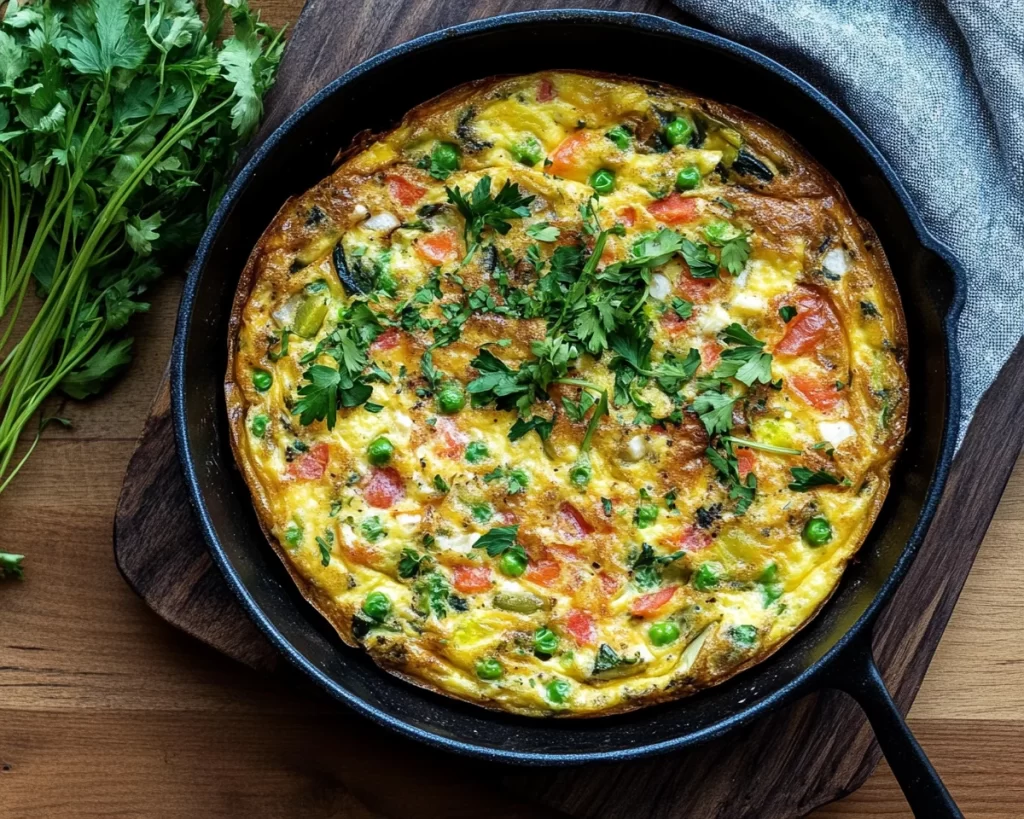
Prep time: 10 minutes
Cook time: 10 minutes
Total time: 20 minutes
Servings: 4
Spring is a season of renewal, and what better way to celebrate it than with a delightful Spring Vegetable Frittata? This easy recipe brings vibrant seasonal vegetables together in a fluffy dish that’s perfect for breakfast, brunch, or even a light dinner. With its colorful appearance and comforting flavors, this frittata can be on your table in just 20 minutes, allowing you to savor the essence of spring without spending hours in the kitchen.
What Is Spring Dinner Ideas: Spring Vegetable Frittata in 20 Minutes?
A frittata is a type of Italian omelet that is packed with vegetables, cheese, and sometimes meats, baked in a skillet until golden and fluffy. It’s a versatile dish that can easily adapt to what’s in your fridge, making it perfect for a quick and satisfying meal. The Spring Vegetable Frittata is a celebration of spring produce, featuring seasonal vegetables like asparagus, peas, and bell peppers. This light yet filling dish can be enjoyed warm or at room temperature, making it suitable for any gathering or family meal.
Why You’ll Love This
You’ll appreciate the simplicity and flavor of this frittata. Not only does it come together quickly, but it also utilizes fresh, nutritious ingredients that are plentiful in the spring. The taste of the vegetables shines through, complemented by the creamy texture of eggs and the optional addition of cheese. The frittata is also adaptable; it can be customized with any vegetables you have on hand. Additionally, it works beautifully for meal prep, ensuring you have tasty leftovers throughout the week. Here are a few reasons why you’ll fall in love with this recipe:
- Quick Preparation: Ready in just 20 minutes.
- Nutritious: Packed with fresh vegetables.
- Versatile: Can be served hot or cold.
- Family-Friendly: A dish that pleases all ages.
Ingredients You’ll Need
To make your Spring Vegetable Frittata, gather these ingredients:
- 6 large eggs: The base of the frittata; they provide structure and protein.
- 1 cup asparagus, chopped: Adds a fresh, crisp flavor and vibrant color.
- 1 cup peas (fresh or frozen): Sweet and tender, these enhance the spring theme.
- 1 bell pepper, diced: For a hint of sweetness and crunch.
- 1/2 cup grated cheese (e.g., feta or cheddar): Optional but adds a creamy richness.
- Salt and pepper, to taste: Essential for enhancing flavors.
- Olive oil, for cooking: Adds flavor and prevents sticking.

How to Make
Follow these straightforward steps to make your Spring Vegetable Frittata:
- Preheat your oven: Begin by preheating your oven to 375°F (190°C). This ensures the frittata gets a nice, even cooking once you pop it in.
- Prepare the vegetables: In a skillet over medium heat, add a splash of olive oil. Once hot, add the chopped asparagus and bell pepper. Sauté them for about 2-3 minutes until they start to soften.
- Add the peas: If you’re using frozen peas, add them directly to the skillet. Fresh peas can be added along with the other vegetables. Stir for another minute, allowing them to warm up.
- Whisk the eggs: In a separate bowl, crack the eggs and beat them well with salt and pepper. Make sure to whisk thoroughly to incorporate air, which will make your frittata fluffier.
- Combine: Pour the beaten eggs over the sautéed vegetables. If using cheese, sprinkle it evenly on top. Gently swirl the mixture in the pan to distribute the veggies evenly.
- Bake: Transfer the skillet to the preheated oven and bake for 10-12 minutes, or until the eggs are set and the top is golden brown.
Variations & Substitutions
Herb-Infused Frittata: For a fresh twist, add chopped fresh herbs such as basil, chives, or parsley to your egg mixture before baking. This will enhance the frittata’s flavor profile and bring out the essence of spring.
Cheese Lovers Frittata: Different types of cheese can dramatically change the taste. Consider using goat cheese for a tangy profile or mozzarella for a creamier texture. Experimenting with various cheeses can elevate your dish in delightful ways.
Vegetable Medley Frittata: Feel free to swap in other vegetables based on your preferences or what you have on hand. Spinach, zucchini, or cherry tomatoes are fantastic additions. The key is to ensure that your vegetables are pre-cooked so they do not release too much water.
Common Mistakes to Avoid
When making a frittata, some common pitfalls can affect your final result.
Overcooking the vegetables: Make sure to sauté vegetables just enough to soften them. Overcooking can lead to a mushy texture in your frittata.
Not seasoning adequately: A lack of proper seasoning can make your dish bland. Never skip the salt and pepper, as they dramatically enhance the overall flavor.
Using a cold skillet: If your skillet is not hot enough, the frittata may not cook evenly. Always preheat the pan before pouring in the egg mixture to achieve that perfect golden crust.
Storage, Freezing & Reheating Tips
Store any leftovers in an airtight container in the refrigerator for up to 3-4 days. If you notice the frittata drying out, you can add a splash of milk when reheating to restore some moisture.
For longer storage, consider freezing portions wrapped tightly in plastic wrap and foil. When you’re ready to enjoy, thaw in the refrigerator overnight, then reheat in a preheated oven at 350°F (175°C) for about 15-20 minutes or until warmed through.
When reheating, ensure the internal temperature reaches 165°F (74°C) for food safety.
Frequently Asked Questions
Can I make this frittata ahead of time? Yes, you can prepare the frittata in advance. It stores well in the refrigerator and can be enjoyed cold or reheated. This makes it an excellent option for meal prep.
Is it gluten-free? Absolutely! The Spring Vegetable Frittata is entirely gluten-free as it contains no flour or gluten-containing ingredients. Just ensure you use gluten-free cheese if needed.
What types of pans can I use? A cast-iron skillet works wonderfully because it retains heat evenly. If you don’t have one, any oven-safe non-stick or stainless-steel skillet will suffice. Just make sure it’s well-greased to prevent sticking.
Can I add meat to this frittata? Yes! Cooked bacon, sausage, or ham can be added to the mixture. Just make sure they are cooked beforehand, as the frittata itself only bakes long enough to set the eggs.
How can I tell when the frittata is done? The frittata is done when the edges are slightly puffed and the center is set. It should not jiggle when gently moved. A toothpick inserted into the center should come out clean.
Conclusion: This Spring Vegetable Frittata is not just a meal; it’s a celebration of seasonal goodness. Perfect for busy parents, kitchen novices, or healthy eaters wanting a wholesome dish, it’s sure to become a staple in your culinary repertoire. Try it today and embrace the vibrant flavors of spring!