Prep time: 15 minutes
Cook time: 20 minutes
Total time: 35 minutes
Servings: 4
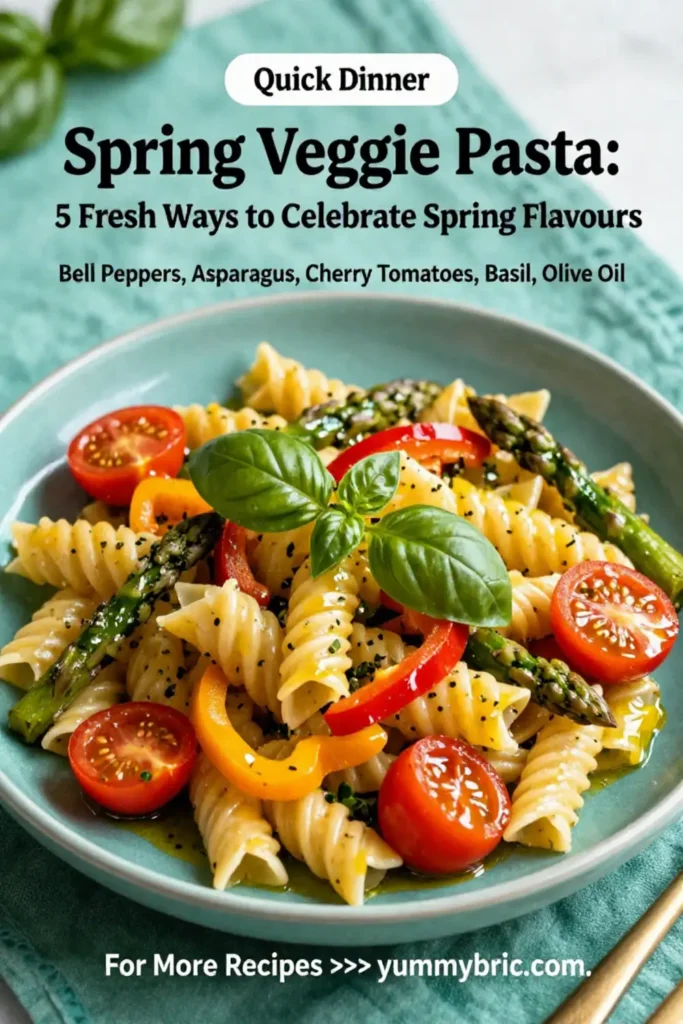
Spring is here, and with it comes an abundance of fresh vegetables and the vibrant flavors of the season. One of the best ways to celebrate the arrival of spring is by preparing a delightful dish that showcases these ingredients. That’s where this **Spring Veggie Pasta** comes into play. With its colorful array of vegetables and a light, zesty sauce, this dish is not only a feast for the eyes but also a deliciously satisfying meal. Whether you’re cooking for family or friends, this pasta dish is bound to impress.
What Is Spring Veggie Pasta: 5 Fresh Ways to Celebrate Spring Flavors?
Spring Veggie Pasta represents a beautiful blend of seasonal vegetables tossed together with pasta, creating a dish that’s perfect for lunch or dinner. The beauty of this recipe lies in its versatility. You can use whatever fresh vegetables you find at your local market, making it an excellent choice for a last-minute meal. **Spring Veggie Pasta** doesn’t just highlight the fresh flavors; it’s also adaptable to different dietary needs, be it vegan, vegetarian, or gluten-free.
Why You’ll Love This
You’ll find that this dish is not just about enjoying spring flavors; it’s also about quick and healthy cooking. The ease of preparation makes it perfect for busy parents or anyone leading a hectic lifestyle. Not only is the dish light on your schedule, but it’s also packed with nutrients, proving that healthy eating doesn’t have to be time-consuming. The vibrant colors of fresh vegetables will lighten your mood as you cook and serve. Coupled with the delightful aroma as it cooks, this recipe is sure to bring joy to your dining table.
Ingredients You’ll Need
- 8 oz spaghetti or any pasta of your choice: The base of the dish, providing texture and substance.
- 1 cup cherry tomatoes, halved: Adds sweetness and vibrant color.
- 1 cup asparagus, cut into 1-inch pieces: Offers a slightly crunchy texture and earthy flavor.
- 1 cup bell peppers, sliced: Provides a sweet, crunchy element.
- ½ cup peas (fresh or frozen): Adds a pop of sweetness and bright color.
- 2 cloves garlic, minced: Enhances the overall flavor profile with its aromatic qualities.
- 3 tbsp olive oil: Serves as the cooking fat, providing a rich taste.
- Salt and pepper to taste: Essential for seasoning and balancing flavors.
- Fresh basil or parsley for garnish: Adds freshness and color.
How to Make
- Begin by boiling a large pot of salted water over medium heat. Once the water reaches a rolling boil, cook the pasta according to the package instructions until al dente. This typically takes about 8 to 10 minutes. You want the pasta to be tender yet firm to the bite, creating a perfect base for your vegetables.
- While the pasta is cooking, prepare your vegetables. In a large skillet, heat the olive oil over medium heat. Add the minced garlic and sauté for about 1 minute until it becomes fragrant. Be careful not to let it brown, as burnt garlic can impart a bitter taste to your dish.
- Next, add the asparagus and bell peppers to the skillet. Stir them often and allow them to cook for about 5 minutes. The asparagus should be tender-crisp, while the bell peppers should maintain some firmness. This combination adds a delightful crunch to your pasta dish.
- After the asparagus and bell peppers have caramelized lightly, toss in the cherry tomatoes and peas. Cook for another 3 to 5 minutes until the tomatoes soften and release their juices. This should create a light sauce that coats your vegetables and pasta beautifully.
- Once your pasta has finished cooking, reserve about ½ cup of pasta water, then drain the rest. Add the drained pasta directly into the skillet with the vegetables. Toss everything together gently, adding reserved pasta water as necessary to achieve your desired sauce consistency.
- Season generously with salt and pepper to taste. Remove the skillet from heat and serve each plate garnished with fresh basil or parsley. A drizzle of olive oil on top adds a finishing touch.
Variations & Substitutions
Vegetable Variation: If you’re looking to switch up the vegetables, consider using zucchini and fresh spinach. Zucchini can add a nice texture, and spinach will wilt down beautifully, providing additional nutrients while keeping the dish vibrant.
Pasta Substitution: For those following a gluten-free diet, quinoa pasta is an excellent alternative. It holds up well and provides a nutty flavor that perfectly complements the fresh veggies.
Protein Boost: To make this dish even heartier, consider adding grilled chicken or shrimp. They can be sautéed in the same skillet after the garlic, offering a protein-packed dish.
Vegan Version: Omit any form of cheese and use nutritional yeast for a cheesy flavor without the dairy. You can also enhance creaminess by adding avocado or blended cashew cheese to the pasta.
Lemon Zest Addition: A little lemon zest added at the end can elevate the flavors and add a refreshing brightness to your dish that embodies the spirit of spring beautifully.
Common Mistakes to Avoid
One common mistake is overcooking the pasta. Be sure to check the pasta a minute or two before the suggested cooking time. This ensures that it becomes tender without turning mushy, maintaining a good al dente texture.
Another mistake is not seasoning the pasta water well enough. Proper salt ensures that your pasta carries flavor right from the beginning. Don’t skip this simple yet essential step.
Some may load the dish with too many vegetables without considering heat distribution. Timing is everything—add sturdy vegetables first and more delicate ones later to avoid overcooking.
Storage, Freezing & Reheating Tips
To store, allow the pasta to cool completely, then transfer it to an airtight container. This pasta can be safely refrigerated for up to 3 days. When you’re ready to enjoy leftovers, mallet the pasta gently in a microwave-safe dish.
If you plan to enjoy your Spring Veggie Pasta later, consider freezing it. Transfer the cooled dish into a freezer-safe container, where it can last up to 3 months. When reheating frozen pasta, it’s best to thaw it in the refrigerator overnight. Reheat in a skillet with a little olive oil or over low heat, stirring gently to combine the flavors once again.
Frequently Asked Questions
Can I use frozen vegetables instead of fresh for this pasta?
Absolutely! Frozen vegetables can be used in place of fresh ones. Just remember they may require a bit more cooking time since they need to thaw and heat through properly. The flavor might differ slightly, but it’s a convenient option that can save time.
How can I make this pasta dish more filling?
You can easily make Spring Veggie Pasta more filling by adding proteins like grilled chicken, shrimp, or chickpeas. Not only do these choices add substance, but they also enhance the flavor profile beautifully.
What’s the best way to reheat leftover Spring Veggie Pasta?
The best way to reheat leftovers is on the stove over medium-low heat, adding a splash of water or extra olive oil to keep it from drying out. Stir gently to combine and heat evenly, ensuring all ingredients are warmed through.
How do I know when the vegetables are cooked properly?
Perfectly cooked vegetables should be tender-crisp, meaning they should still have a little bite to them. Overcooking can lead to loss of flavor and nutrients, so keep an eye on them while you cook.
Can I make this dish ahead of time?
Yes, you can prepare the components ahead of time! You can cook the pasta and prepare the veggies separately, combining them right before serving. This way, you maintain freshness and flavor.
Conclusion:
This Spring Veggie Pasta is not just a meal; it’s a celebration of spring’s vibrant flavors. It’s quick, healthy, and supports various dietary preferences, making it the perfect dish for busy families, meal preppers, or health-conscious eaters. Don’t forget to customize it according to your preferences, and most importantly, enjoy each delightful bite while embracing the season’s freshness!