Prep time: 20 minutes
Cook time: 45 minutes
Total time: 1 hour 5 minutes
Servings: 8
When it comes to holiday dinners, nothing brings people together quite like a great dish of stuffing. Imagine a warm, fragrant bowl of vegan stuffing that not only complements your meal but also adds its own unique flavors. This recipe for The Best Vegan Stuffing is a celebration of taste, texture, and those lovely comfort food vibes that make every gathering special. As someone who navigates the kitchen with a passion for flavor, I’m excited to share how this dish can change the way you approach your holiday menu. You will discover tips for creating a stuffing that’s rich and savory, variations to suit different palates, and even some handy tips to ensure that your dish turns out perfectly every single time.
What makes this stuffing particularly special is its versatility. Often deemed a side dish, it can easily stand out as a main feature on your holiday table. Packed full of fresh herbs and vegetables, it’s not just filling but also wholesome. It will elevate your meal while satisfying vegans and non-vegans alike. Let’s dive into this hearty dish and explore what makes it the best vegan stuffing for your easy holiday side dish!
What Is The Best Vegan Stuffing (Easy Holiday Side Dish)?
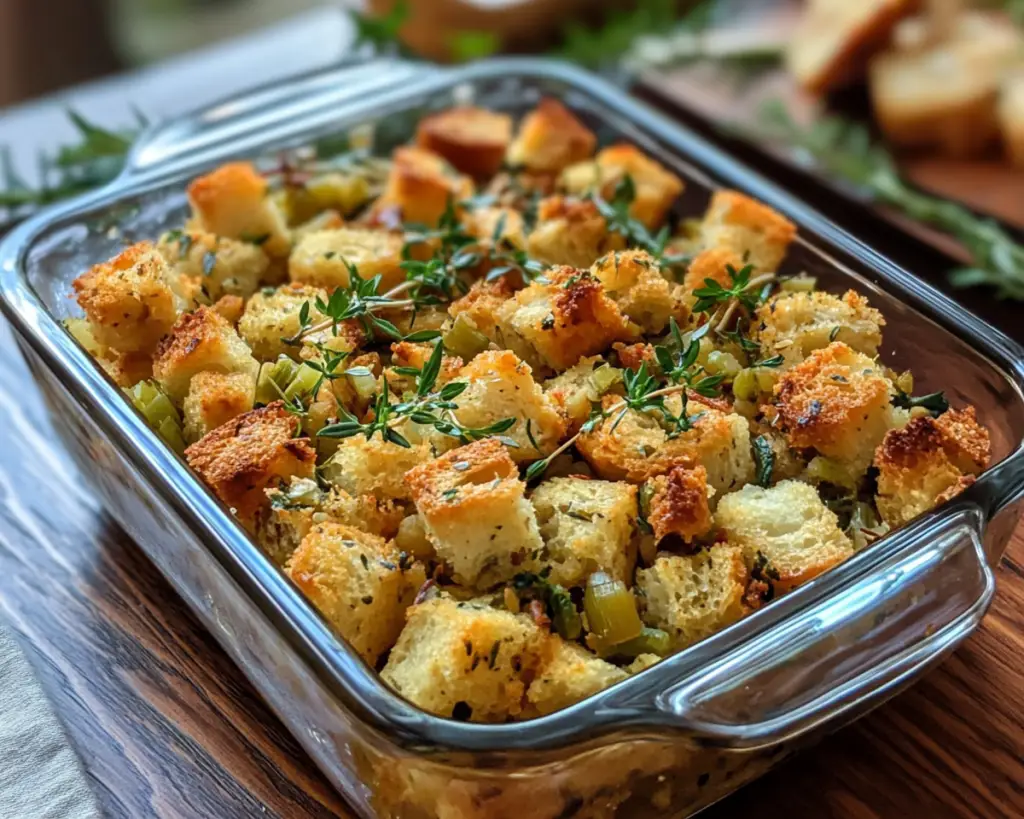
The Best Vegan Stuffing is a delicious blend of cubed bread mixed with aromatic vegetables, herbs, and broth, all baked to golden perfection. This dish has its roots in traditional holiday fare, often made with **day-old bread** soaked in savory broth. However, this vegan version swaps out animal products for plant-based alternatives, making it accessible for everyone! The texture is delightful, with crispy edges and a soft, moist interior that melds together beautifully.
Its flavor profile is equally impressive—expect a medley of earthiness from fresh sage and thyme, with hints of sweetness from sautéed onions and celery. The combination of these flavors creates a stuffing experience that’s not just about filling your belly; it’s about indulging in sensory delights. Imagine the aroma wafting through your kitchen as it bakes, creating an inviting atmosphere that draws family and friends together.
This dish is not only a staple at holiday dinners but also a smart choice for everyday meals, making it a valuable recipe to have in your cooking arsenal. You’ll learn to appreciate how to give it a personalized touch and still keep it classic.
Why You’ll Love This
This vegan stuffing is not only scrumptious but also offers significant benefits. First, it’s incredibly easy to prepare—making it a perfect choice for busy parents or beginners in the kitchen. With straightforward steps and accessible ingredients, you’ll find that creating this memorable dish doesn’t require gourmet skills.
Cost-wise, stuffing is usually made from pantry staples, which keeps your shopping budget in check. In addition to being an affordable option, it’s packed with nutritional benefits. Utilizing whole grain bread, seasonal vegetables, and fresh herbs means you’re also indulging in a dish that’s not only delicious but also good for you.
Many people mistakenly think that stuffing must include meat to be flavorful, but this recipe proves otherwise. It stands firm on its own with robust flavors and will even impress meat-lovers. For instance, the use of vegetable broth enriches the taste while ensuring everyone at the table can savor each mouthful.
If you’re planning a gathering, this vegan stuffing offers an opportunity to showcase how plant-based cooking can be both delightful and elegant. People will be drawn to the inviting aroma, and they won’t be able to resist going back for seconds!
Ingredients You’ll Need
- Bread: Look for a good quality, day-old whole grain or sourdough bread for the best texture.
- Olive oil: This adds moisture and helps sauté the vegetables while imparting a rich flavor.
- Onion: A key aromatic, this adds sweetness and depth when sautéed.
- Celery: Adds crunch and freshness, balancing out the heartiness of the bread.
- Garlic: Provides an aromatic kick that enhances the overall flavor.
- Fresh herbs: Typically sage and thyme, these contribute a fragrant, earthy note that defines stuffing.
- Vegetable broth: The liquid that brings everything together and keeps the stuffing moist.
- Salt and pepper: Essential for seasoning; feel free to adjust according to your taste.
Each ingredient plays a crucial role in creating the final dish. The bread forms the base, while the vegetables bring complementary flavors and textures. The **vegetable broth** is vital—you want it to be rich and savory so that it fully absorbs into the bread. As for herbs, fresh herbs elevate the stuffing significantly; dried herbs can be used but fresh offers a more vibrant flavor.
How to Make
1. Begin by preheating your oven to 350°F (175°C). This temperature is ideal for toasting the bread and melding the flavors.
2. Next, prepare your bread by cutting it into small cubes, around 1-inch in size. If your bread is not stale, you can spread the cubes on a baking sheet and toast them in the oven for about 10 minutes to dry them out slightly. This will help them absorb the broth better without turning mushy.
3. In a large skillet, heat about 2 tablespoons of olive oil over medium heat. Once hot, add the chopped onions and celery. Sauté these together for about 5-7 minutes until they are softened and beginning to brown. The goal is to release their sweetness and enrich the stuffing’s flavor profile.
4. Add minced garlic and your fresh herbs to the skillet. Stir them in and cook for another 2–3 minutes. You’ll want to ensure that the garlic doesn’t burn, so keep an eye on it. The aroma of the garlic and herbs will start to fill your kitchen, whetting your appetite.
5. Transfer your toasted bread into a large mixing bowl. Pour the vegetable broth over the bread cubes, making sure they are thoroughly soaked but not drowning. You can always add more broth if needed. Mix in the sautéed vegetable mixture, seasoning with salt and pepper to taste. Here’s where you can customize it. If you want to add extra ingredients like cranberries or nuts for texture, now is the perfect time!
6. Once fully combined, transfer the stuffing mixture into a greased baking dish. Use a spatula to level it out. Cover with aluminum foil and bake for about 30 minutes. This initial cover helps steam the stuffing, making it moist.
7. After 30 minutes, uncover the baking dish, and allow it to bake for an additional 15 minutes to achieve a nice, crispy top. You’ll know it’s done when the top is golden brown and the edges are crisp. Let it cool for a few minutes before serving.
With these steps, you’ll find that making your vegan stuffing is not only rewarding but also doused in flavor. The combination of textures—from crispy to soft—will have everyone asking for the recipe!
Variations & Substitutions
Gluten-Free Variation: If you’re cooking for those with gluten sensitivities, substituting the bread with gluten-free bread is a fantastic option. Many brands offer gluten-free loaves now, making it easier than ever to keep this dish inclusive. Using gluten-free bread may change the texture slightly, but to balance this out, consider adding extra broth to ensure everything binds together nicely.
Herbed Mushroom Variation: If you’re a fan of mushrooms, consider adding sautéed mushrooms to your stuffing mix. They bring a savory umami flavor that compliments the herbs beautifully. Sauté about 2 cups of mixed mushrooms along with the onion and celery. This variation is perfect for a fall-themed dinner or anyone who loves earthier flavors.
Breakfast Stuffing Variation: This dish can easily be transformed into an exciting breakfast option by including ingredients like diced tofu or tempeh for protein, along with adding some spinach or kale. Cook everything similarly, but consider using spices like smoked paprika to add a breakfast twist.
Nuts & Cranberries Variation: For a festive touch, mix in some chopped walnuts or pecans along with dried cranberries for a sweet and nutty addition. The crunch of the nuts alongside the chewiness of the cranberries adds another layer of flavor and texture. This is especially great for holiday gatherings where flavors like cranberry are traditional.
Each of these variations lets you customize your vegan stuffing to better suit individual tastes or dietary needs while still holding onto the core essence of this beloved dish.
Common Mistakes to Avoid
One common mistake is using **fresh bread** instead of stale bread. Fresh bread holds too much moisture and will result in a mushy stuffing. Always opt for slightly stale bread or toast it in the oven if necessary to help it absorb the broth better.
Another mistake is using insufficient broth. Ensure that your bread is adequately moistened before baking, as dry bits will make for an undesirable texture. If you’re unsure, you can always keep extra broth on hand to drizzle in if your mixture looks too dry.
Overcooking the stuffing is also a concern. If you leave it in the oven for too long, it can dry out. Keep the initial aluminum foil cover on for the first portion of baking to retain moisture, then remove it to brown the top.
Being mindful of these common pitfalls will set you up for success and help you create an unforgettable dish that everyone at the table will appreciate!
Storage, Freezing & Reheating Tips
This vegan stuffing can be made ahead of time and stored in the refrigerator for up to 3 days, making it a perfect candidate for your holiday meal prep. If you find you’ve made too much or wish to store leftovers, it can also be frozen. Place it in an airtight container before freezing, and it will keep for up to 2 months.
When ready to reheat, simply transfer the stuffing from the freezer to the refrigerator the day before, allowing it to thaw overnight. To reheat, place it in an oven preheated to 350°F (175°C) for about 20-30 minutes, or until warmed through, covering it with foil to keep it moist.
If reheating from frozen, plan on adding a little extra time. You may also want to sprinkle a few drops of vegetable broth over the stuffing to help it regain some moisture.
Practicing good food safety measures will not only keep your stuffing delicious but also prevent any foodborne illness, so be sure to follow these guidelines!
Frequently Asked Questions
Can I make vegan stuffing ahead of time?
Absolutely! One of the great aspects of this recipe is that you can prepare it a day or two in advance. Simply follow the recipe up to the point where you bake it, then store the uncooked stuffing in the fridge. When you’re ready, just bake it fresh the day of your gathering.
What kind of bread is best for stuffing?
While you can use any type of bread, **sourdough** or **whole grain** bread works best due to their texture and ability to absorb flavors without becoming too soggy. Stale bread is ideal as it has already lost some moisture.
Can I use dried herbs instead of fresh?
Yes! While fresh herbs offer superior flavor, dried herbs can be used in a pinch. A general rule of thumb is to use about one-third of the amount when using dried herbs compared to fresh due to their concentrated flavor.
How long does it take to bake vegan stuffing?
The stuffing typically takes around 45 minutes to bake, including time to cover with foil and uncover for browning the top. Keep an eye on it to prevent drying out, and check for a golden color and crispy edges.
Can I add other vegetables or proteins to the stuffing?
Certainly! Feel free to get creative. Vegetables like carrots or bell peppers can be delicious additions, and protein options like tofu or tempeh can enhance its heartiness and make it more filling.
Conclusion:
Now that you have the complete guide to making The Best Vegan Stuffing, you’re equipped to create a dish that will wow your family and friends. This stuffing not only brings beautiful flavor and texture to your table, but it also makes for a healthier, plant-based alternative to traditional recipes.
Don’t hesitate to customize it to your liking or share it with loved ones! Every bite offers a comforting reminder that even simple ingredients can come together to create something extraordinary. So gather your essentials and start cooking—you’ll be thrilled with the outcome!