Prep time: 30 minutes
Cook time: 10 minutes
Total time: 40 minutes
Servings: 4
Spring is the perfect time to enjoy light, refreshing dishes, and one of the best ways to celebrate the season is by making delicious vegetarian spring rolls. These delightful bites are not only a joy to eat but are also highly versatile and can be easily tailored to fit different tastes. In this guide, you’ll find expert tips to create perfect rolls, focusing on fresh ingredients and simple techniques that even kitchen beginners can master.
What Is Vegetarian Spring Rolls Recipe: 7 Tips for Perfect Rolls?
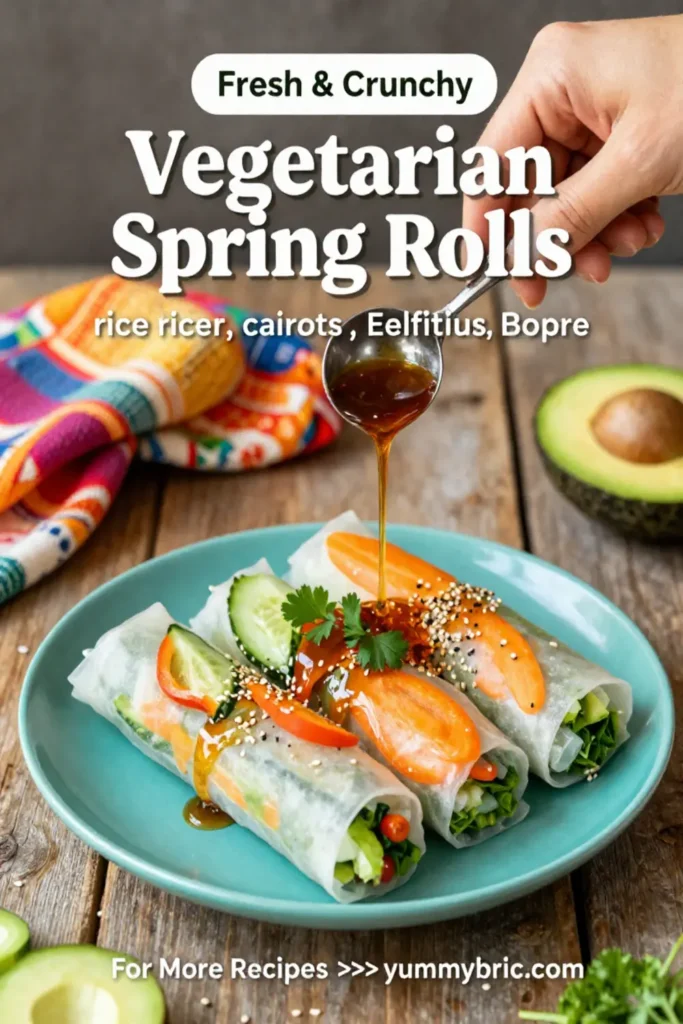
Vegetarian spring rolls are a popular Asian dish made from a thin dough filled with a variety of fresh vegetables, herbs, and sometimes noodles. Traditionally, they are served with a dipping sauce, making them a great appetizer or snack. The beauty of these rolls lies in their flexibility; you can customize the filling based on what’s in season, available in your pantry, or simply what you enjoy.
Why You’ll Love This
There are countless reasons to love vegetarian spring rolls. They are healthy, packed with nutrients, and use simple ingredients. Plus, they can be prepared in advance, making them perfect for busy parents or anyone looking for an easy meal prep option. These rolls are also a great way to introduce children to new flavors and textures while letting them participate in the fun of assembling their own food.
Ingredients You’ll Need
- Rice paper wrappers: These are the base of your spring rolls. They are thin and pliable, allowing you to create delicate and appealing rolls.
- Julienned vegetables: Carrots, cucumbers, bell peppers, and sprouts add crunch and freshness. Choose a mix to provide both color and texture.
- Fresh herbs: Mint, cilantro, and basil bring fragrant notes, enhancing the overall flavor of your rolls.
- Noodles (optional): Rice vermicelli or bean thread noodles can be included for added texture. Cook them according to package instructions and cool before use.
- Dipping sauce: A sweet chili sauce or a combination of soy sauce and sesame oil provides a delightful contrast to the freshness of the rolls.
How to Make
- Start by gathering all your ingredients. Prepare the vegetables by washing and cutting them into thin strips. This will ensure that they fit nicely inside the wrappers.
- Next, fill a shallow dish with warm water. Submerge one rice paper wrapper at a time into the water, allowing it to soften for about 10-15 seconds. Be careful not to soak for too long, as the wrapper can become too sticky.
- Once the wrapper is pliable, remove it from the water and lay it flat on a clean, damp surface. Start layering your ingredients, beginning with your choice of noodles (if using), followed by the veggies and herbs.
- Fold the bottom edge of the wrapper over the filling, then fold in the sides and roll it away from you gently but firmly. This ensures that the filling is secure inside the wrapper.
- Repeat the process for the remaining wrappers and ingredients. It’s important to keep the spring rolls covered with a damp cloth to prevent them from drying out before serving.
- Serve the spring rolls with your desired dipping sauce and enjoy your tasty creation!
Variations & Substitutions
Crunchy Thai Salad Spring Rolls: Instead of the typical fillings, toss together shredded cabbage, grated carrots, and chopped peanuts. This flavor-packed combination is not only refreshing but also has an exciting crunch that elevates the dish. You can add a splash of lime juice for an extra zing.
Spicy Avocado Spring Rolls: For a creamy twist, slice ripe avocados and blend them with a touch of lime juice, salt, and chili flakes. This variation is perfect for avocado lovers and provides a rich texture that pairs beautifully with fresh herbs.
Fruit Spring Rolls: For a sweet treat, use sliced fruits like strawberries, mangoes, and kiwis. Serve these rolls with a drizzle of honey or a yogurt-based dip for a dessert option that’s lighter and refreshing.
Tofu & Mushroom Spring Rolls: If you want to add protein, diced tofu and shiitake mushrooms can be sautéed together with soy sauce and ginger for a savory filling. This variation adds depth to the flavor and makes the rolls more filling.
Common Mistakes to Avoid
One common mistake is using too many ingredients in each roll. Overstuffing can make it difficult to roll the paper securely. Instead, aim for a modest amount that allows for easy rolling and prevents the paper from tearing.
Another issue is not using enough moisture when softening the rice paper. If the wrapper isn’t adequately softened, it can crack or break when rolling, leading to frustrating results. Always ensure the water is warm and soak briefly.
It’s also crucial to seal the rolls properly. If the edges of the wrapper are not tightly closed, the filling could fall out during handling or dipping. Practice makes perfect in mastering the art of sealing the rolls securely.
Storage, Freezing & Reheating Tips
For best results, store uncooked spring rolls in an airtight container lined with parchment paper to avoid sticking. They can typically be kept in the refrigerator for up to two days.
If you want to prepare them in advance, consider freezing the rolls. Lay them in a single layer on a baking sheet first, then transfer them into a freezer bag once frozen. Cook from frozen by frying or baking straight away; just be mindful that cooking time may be slightly longer.
When reheating cooked spring rolls, the best method is to use an oven. Preheat your oven to 350°F (175°C) and heat for about 10-15 minutes until they are crisp again. Avoid using a microwave, as this may lead to soggy rolls.
Frequently Asked Questions
Can I make vegetarian spring rolls in advance?
Yes, you can prepare them a few hours ahead of time. Make sure to keep them covered with a damp cloth or in an airtight container to prevent them from drying out. Just be cautious not to store them for too long, as the rice paper can become hard.
What is the best way to serve spring rolls?
Spring rolls are usually served cold or at room temperature, accompanied by dipping sauces. Sweet chili sauce, peanut sauce, or soy sauce are popular options that complement the fresh flavors of the rolls beautifully.
Are vegetarian spring rolls gluten-free?
Yes, as long as you use rice paper wrappers and check the ingredients in your dipping sauce. Most traditional ingredients are gluten-free, but always double-check your labels to ensure no gluten-containing products are included.
Can I use frozen vegetables for filling?
Using fresh vegetables is recommended for the best texture and flavor, but if frozen is your only option, be sure to thaw and drain them well. However, they may release more moisture, which can affect the crunchiness of your rolls.
What can I use instead of rice paper wrappers?
If you cannot find rice paper, thin tortilla wraps can be a substitute, although they will yield a different flavor and texture. For a gluten-free approach, consider using lettuce leaves, which provide a crunchy, fresh alternative for wrapping the fillings.
Conclusion:
Making vegetarian spring rolls is not just about the ingredients; it’s an experience that combines creativity and deliciousness. Embrace the flexibility of the fillings, the joy of assembling, and the satisfaction of savoring your fresh rolls. By following these tips and variations, you’ll master this dish to please even the pickiest of eaters. Enjoy this fun, healthy treat any time of the year!