**Prep time:** 20 minutes
**Cook time:** 2 hours
**Total time:** 2 hours 20 minutes
**Servings:** 6
There’s something simply magical about the cozy warmth of a hearty beef and carrot stew on a cold winter evening. Imagine your home filled with the comforting aromas of slow-cooked beef melding beautifully with tender carrots, fragrant herbs, and an array of spices that evoke memories of family gatherings around the dinner table. This Winter Beef and Carrot Stew is more than just a meal; it’s a heartwarming experience that not only nourishes the body but also feeds the soul.
In this article, not only will you learn about the history and charm of beef stew, but you’ll also discover why this recipe will quickly become a staple in your winter cooking repertoire. We’ll walk through the ingredients you need, offer step-by-step cooking instructions, and explore delicious variations that suit every taste preference and dietary need.
What Is Winter Beef and Carrot Stew?
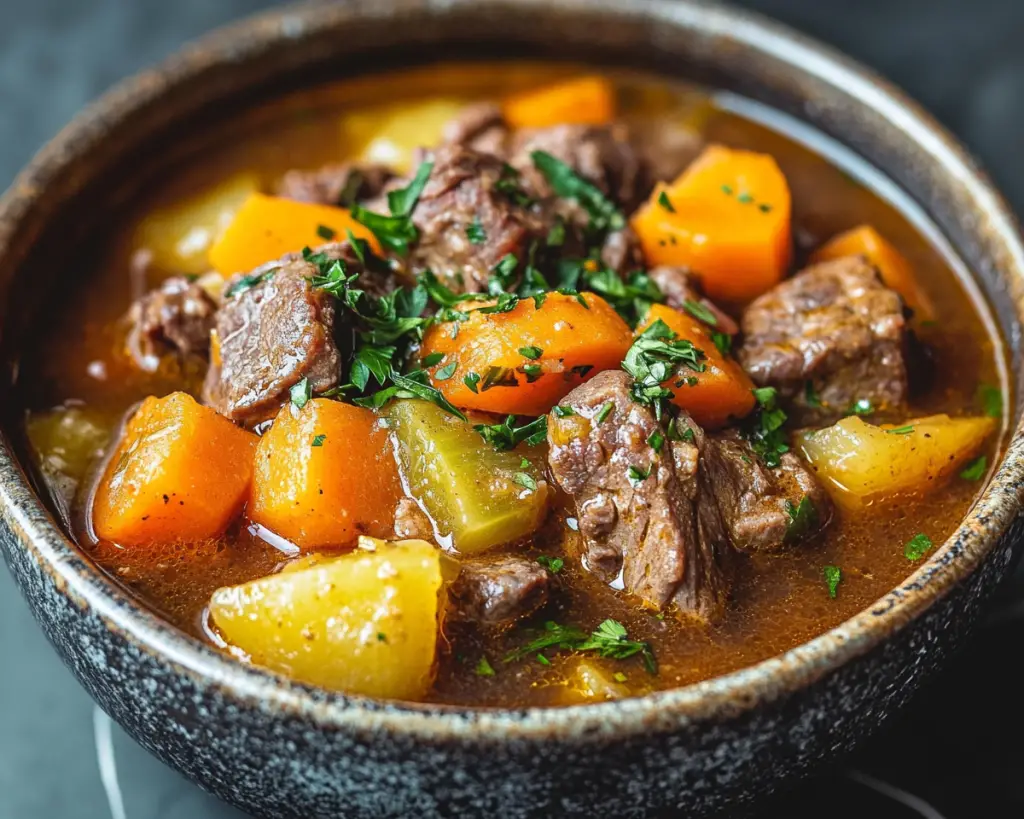
Winter Beef and Carrot Stew is a rich and flavorful dish that combines tender chunks of beef, vibrant carrots, and a medley of vegetables all simmered to perfection in a savory broth. Originating from the culinary traditions of many cultures, stews have been a staple for centuries, reflecting a way to cook inexpensive cuts of meat and seasonal vegetables over a low heat for a long time, allowing the flavors to develop while tenderizing the ingredients.
The hallmark of a great stew lies not only in the choice of ingredients but also in the method of preparation. The beef is typically seared first for a deep, rich flavor before being enveloped in a savory broth that thickens beautifully as it cooks. The carrots add a subtle sweetness and a pop of color, providing nutrition along with heartiness to the dish. When slow-cooked, the beef breaks down, becoming tender and juicy, while the flavors meld together, resulting in the perfect winter comfort food.
Classic herbs and spices such as bay leaves and thyme enhance the overall depth of flavor, while variations can include potatoes, celery, or even beans depending on what you have on hand. This stew is not only comforting but also a wonderful way to showcase seasonal produce during the colder months.
Why You’ll Love This Winter Beef and Carrot Stew
There are countless reasons to adore this Winter Beef and Carrot Stew.
1. **Taste:** The rich, savory broth filled with tender beef and sweet carrots is simply unmatched. The searing of the beef adds depth to the flavor, while the slow cooking leaves you with a deliciously thick stew that warms you from the inside out.
2. **Ease:** This recipe is straightforward, making it perfect for both beginner and experienced cooks. With just a little prep work followed by a few hours of slow simmering, you can let the dish do its magic while you engage in other winter activities or simply relax.
3. **Cost-effective:** Using tougher cuts of beef, such as chuck roast or brisket, makes this dish affordable without sacrificing flavor. As they cook, these cuts transform into fork-tender bites that everyone will love.
4. **Health benefits:** Packed with protein from the beef and vitamins from the carrots, this stew is wholesome and satisfying. You can also sneak in other vegetables to boost the nutrition without compromising on taste.
5. **Versatility:** This recipe can easily be adapted to fit dietary restrictions or personal preferences. It’s a great way to use leftover vegetables or to incorporate seasonal produce from your local market.
6. **Meal prep-friendly:** A large batch of this stew can easily feed a family and is perfect for meal prepping. It stores beautifully and can be enjoyed for days after it’s made, making it an ideal option for busy parents or anyone looking to save time during the week.
Ingredients You’ll Need
– **2 pounds beef chuck roast**: This cut is well-marbled, making it ideal for slow cooking. Alternatively, you can use brisket or round. Ensure to trim any excess fat for a cleaner taste.
– **4 large carrots**: Peeled and cut into large chunks. Their natural sweetness balances the savory flavors. You can substitute with parsnips for a different taste profile.
– **2 medium onions**: Chopped for a fragrant base. They add sweetness and depth to the stew. Shallots are also a great substitute.
– **3 cloves garlic**: Minced. This aromatic herb infuses the dish with flavor. Garlic powder could be used in a pinch, though fresh garlic is recommended for the best taste.
– **3 cups beef broth**: Rich beef broth adds the necessary moisture and flavor. Homemade broth is ideal, but store-bought or vegetable broth can work in a pinch.
– **1 tablespoon tomato paste**: This adds depth and a hint of sweetness to the stew. You can replace it with canned tomatoes if you prefer a tomato-based stew.
– **2 tablespoons olive oil**: For searing the beef. Canola oil or vegetable oil can substitute if needed.
– **1 bay leaf**: This herb enhances the aromatic quality of the stew. Fresh herbs like thyme, if available, can be used instead for a fresher flavor.
– **1 teaspoon dried thyme**: Adds a fragrant note. Fresh thyme can be substituted using about three times the amount.
– **Salt and pepper**: To taste.
– **Optional: 2 tablespoons Worcestershire sauce**: This adds a punch of flavor, enhancing the umami profile. Soy sauce could be used as an alternative but will change the flavor slightly.
How to Make Winter Beef and Carrot Stew
1. **Prepare the Ingredients**: Start by gathering all your ingredients to ensure a smooth cooking process. Chop the onions, peel and slice the carrots, and mince the garlic. Cut the beef into 1.5-inch cubes, trimming any excess fat.
2. **Sear the Beef**: In a large Dutch oven or heavy pot, heat the olive oil over medium-high heat. Once hot, add the beef cubes in batches to avoid overcrowding. Sear them until they are well-browned, about 3 to 5 minutes per side. This step is crucial as it caramelizes the meat, imparting a rich flavor. Once seared, remove the beef and set it aside.
3. **Sauté the Vegetables**: In the same pot, add the onions and sauté until translucent, about 4-5 minutes. Stir in the minced garlic and cook for an additional minute until fragrant. Be careful not to let the garlic brown, as it can turn bitter.
4. **Deglaze the Pot**: Add the tomato paste to the onions and garlic, stirring to combine. Then, pour in a splash of beef broth, scraping any browned bits from the bottom of the pot. These bits are packed with flavor that will enhance your stew.
5. **Add Everything to the Pot**: Return the seared beef to the pot, along with the chopped carrots, bay leaf, dried thyme, Worcestershire sauce, and the rest of the beef broth. Stir to mix everything well.
6. **Simmer the Stew**: Bring the pot to a gentle boil, then reduce the heat to low. Cover the pot and let it stew for about 2 hours. During this time, the beef will become tender, absorbing the flavors of the broth and the vegetables. Stir occasionally and check if you need to add more broth or water for desired consistency.
7. **Final Seasoning**: After 2 hours, taste the stew and season with salt and pepper as needed. If you prefer a thicker consistency, you can remove the lid and let it simmer uncovered for an additional 30 minutes.
8. **Serve & Enjoy**: Once the stew is done cooking and the beef is tender, remove the bay leaf before serving. Dish out the stew into bowls and garnish with fresh herbs if desired. Enjoy the warmth and hearty flavor on a chilly night!
5 Variations & Substitutions
1. **Vegetarian Stew**: Want to swap out the meat? Use hearty vegetables like mushrooms, eggplant, and sweet potatoes along with vegetable broth for a delicious plant-based alternative. Add canned beans for protein and don’t forget to season well for depth!
2. **Spice It Up**: If you love some heat, add diced jalapeños or a dash of cayenne pepper while searing the beef. A teaspoon of smoked paprika can also add a fantastic depth of flavor.
3. **Add More Vegetables**: Feel free to include additional vegetables like potatoes, parsnips, or peas. Just be mindful of cooking times; add faster-cooking vegetables (like peas) during the last 15-20 minutes of cooking to prevent them from becoming mushy.
4. **Herb Variation**: Change up the herbs like using rosemary and parsley for a different aromatic profile. You can add fresh herbs near the end of cooking to maintain their distinct flavor.
5. **Beer or Red Wine**: For an extra depth of flavor, deglaze with a cup of red wine or a dark beer instead of broth after sautéing the onions. This addition lends a beautiful richness to the stew.
Common Mistakes to Avoid
One common mistake when making beef stew is **skipping the browning step**. This crucial process not only develops flavor but prevents the beef from being gray and bland. Always be sure to give your beef chunks enough space in the pan so they can sear, as overcrowding can lead to steaming instead.
Another frequent pitfall is adding all the ingredients at once. While it may be tempting to throw everything into the pot, take your time to build flavors by first sautéing the aromatics and deglazing the pot. This method allows you to develop a layered and more complex flavor profile.
Inconsistent seasoning is also a common issue. Be sure to taste and adjust the seasoning not just at the end, but throughout the cooking process. This will ensure every bite is deliciously seasoned.
Lastly, avoid the temptation to rush the cooking time. Stews require a low and slow cooking method to tenderize the meat properly. Patience is key to an unforgettable flavor and texture.
Storage, Freezing & Reheating Tips
Once you’ve enjoyed your hearty stew, you may have leftovers that need proper storage. Allow the stew to cool to room temperature, then transfer it into an airtight container. It can be stored in the refrigerator for up to 4 days.
For longer storage, consider freezing the stew. Ladle it into freezer-safe containers or heavy-duty plastic bags, leaving some space for expansion. Properly stored, it can last up to 3 months in the freezer.
When you’re ready to enjoy it again, thaw the stew overnight in the refrigerator before reheating. Reheat it gently on the stove over low heat, stirring occasionally, until hot. If you’ve frozen the stew, it can be reheated straight from frozen but may take longer to warm through completely.
For safety, always discard any leftovers that may have been kept at room temperature for more than two hours.
Frequently Asked Questions
**1. Can I use a slow cooker for this recipe?**
Absolutely! To adapt this recipe for a slow cooker, follow the searing steps for the beef and then transfer everything into the slow cooker. Set it on low for 6 to 8 hours or on high for about 4 hours. This low-and-slow cooking method is ideal for achieving tender beef and melded flavors.
**2. What kind of beef is best for stew?**
The best cuts for stew are those that are tougher and have a good amount of marbling; cuts like chuck roast or brisket work wonderfully. These cuts benefit from long cooking times, allowing the connective tissues to break down and the meat to become tender and rich in flavor.
**3. Can I make this stew in advance?**
Yes, making stew in advance actually enhances the flavors as they meld together. You can store any leftover stew in the refrigerator for a few days or freeze it for future meals. Many people find that reheated stew tastes even better!
**4. What should I serve with beef stew?**
Beef stew pairs beautifully with rustic bread, crusty rolls, or even over a bed of mashed potatoes or rice. A fresh green salad on the side can add a nice contrast to the richness of the stew.
**5. Can I use frozen vegetables?**
While fresh vegetables are always preferred for their texture and flavor, you can certainly use frozen vegetables like peas or corn as a quick alternative for the last 15-20 minutes of cooking. Just ensure to adjust seasoning as frozen vegetables can be less flavorful.
In conclusion, this Winter Beef and Carrot Stew is not just a meal; it’s an experience that creates warmth and comfort during the chilly months. Mahe it a part of your winter tradition – whether you’re sharing it with loved ones or enjoying a cozy night in. Customize it to make it your own, and don’t hesitate to invite others to partake in this soul-satisfying dish. Embrace the warmth; it’s the perfect food for the season!